


ROSO Restaurant Yogyakarta opens a new chapter in the city’s culinary landscape, bringing together Indonesian cuisine,
cultural heritage and a historic setting.
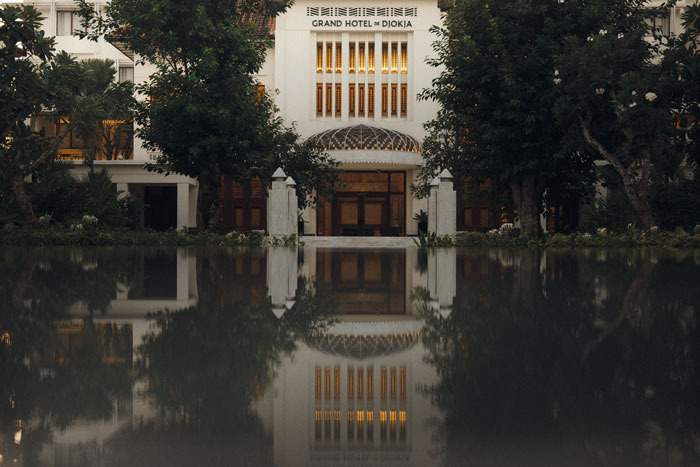
Opening on Indonesia’s Independence Day, 17 August 2026, ROSO occupies the original building of Grand Hotel De Djokja, a landmark that has stood in the heart of Yogyakarta since 1911. For more than a century, the hotel has witnessed the city’s changing character and welcomed generations of travellers. Today, its historic surroundings take on a new role as the setting for a restaurant devoted to exploring Indonesia through food.
For Andreas Kahl, General Manager of Grand Hotel De Djokja, the significance of ROSO lies precisely in its setting. The hotel is not a new property adopting a historic identity, but a place that has been part of Yogyakarta’s history for more than a century. Among the notable figures associated with the hotel is General Soedirman, whose connection to the property dates back to an important period in Indonesia’s struggle for independence.
With ROSO, that history continues in a different form. The hotel’s tradition of bringing people together is carried forward through food, allowing a new generation of guests to experience the building while discovering another important part of Indonesia’s identity.
The restaurant is guided by the philosophy ‘The Finest Expression of Indonesian Taste,’ a concept that places Indonesian culinary heritage at the centre of the experience. Rather than radically changing traditional dishes, ROSO takes familiar recipes, ingredients and flavours and presents them through considered techniques and contemporary presentation.
For Philip Walasary, Director of Food & Beverage and Executive Chef of Grand Hotel De Djokja, this approach begins with understanding the stories behind the food. Indonesia’s cuisine is shaped by generations of traditions, regional ingredients and cultural influences, and each dish carries something of the place from which it comes.
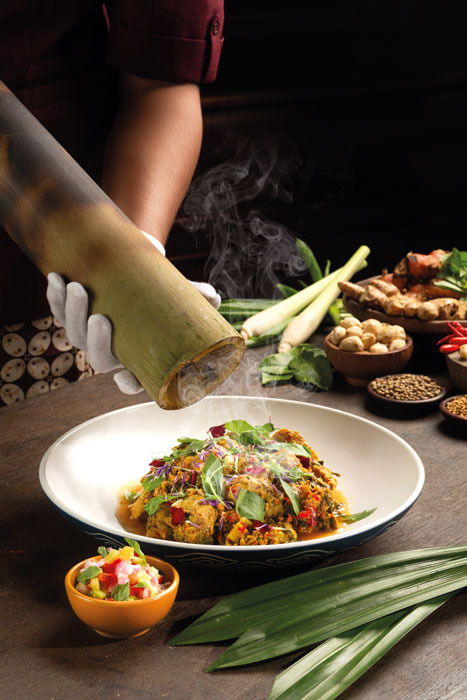
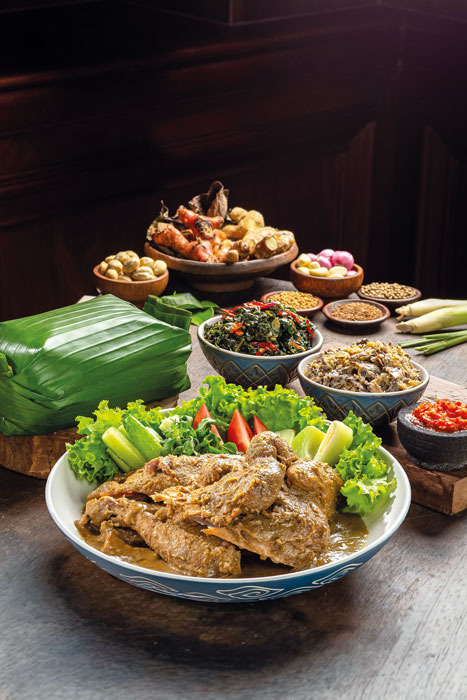
That understanding informs the development of the menu. The culinary team looks beyond technique to the memories and cultural associations connected to particular flavours, from the familiarity of home cooking to recipes traditionally served during celebrations and special occasions. The aim is to create dishes that feel contemporary while remaining recognisably Indonesian.
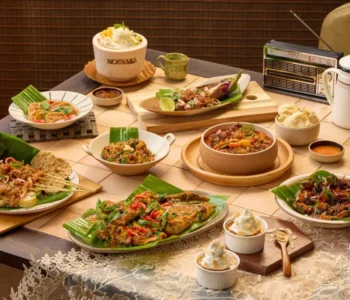
This philosophy comes through in a menu that travels across the archipelago.
One of its highlights is Tempe dalam Gegurit Rasa, which takes one of Indonesia’s most familiar ingredients and gives it a more refined expression. Presented through Lemper Tempe, Tempe Coin and Tempe Cone, the dish combines traditional flavours with different textures and the subtle fragrance of fresh basil. It demonstrates how an everyday ingredient can be transformed without losing its cultural character.
The journey continues to North Sumatra with Naniura, a traditional Batak preparation of cured fish. At ROSO, premium salmon is prepared with more than 20 indigenous spices, resulting in a vibrant and aromatic interpretation of a dish that remains closely connected to the culinary traditions of the Batak people.
From Bali comes Lobster Base Genep, pairing butter-poached lobster tail with Base Genep sauce, charred leek, basil and kaffir lime oil. Inspired by Bali’s celebrated spice blend, the dish brings together the richness of Balinese flavours with a lighter, contemporary presentation.
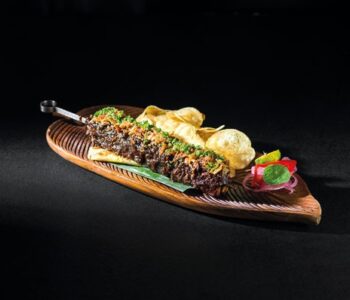
Another Balinese creation, Sampi Menyat-Nyat, takes a more comforting direction. US Prime beef short ribs are slowly braised with traditional spices until tender, then served with young jackfruit, local seeds and a sambal embe crumble. The combination reflects the bold, layered character of Balinese cooking while retaining the warmth associated with Indonesian food.
Closer to home, the menu draws from Yogyakarta’s own culinary heritage through Manuk Nom, inspired by the traditions of the city’s royal kitchens. The dish forms part of a wider exploration of Yogyakarta’s food culture, bringing together culinary traditions once associated with royal banquets and ceremonial occasions with flavours that remain familiar to local diners.
The menu also connects ROSO Yogyakarta with its sister destination in Bali. The opening selection features collaborative creations by Chef Prima and Chef Kolibin, alongside selected signature inspirations from ROSO Bali. While the two restaurants share the same philosophy, each allows its menu to respond to the cultural character of its surroundings.
In Yogyakarta, that connection to the place is particularly significant. ROSO sits within a building that has witnessed more than a century of the city’s history, while its menu looks across an even broader landscape, from North Sumatra and Bali to the royal kitchens of Yogyakarta and the everyday ingredients found throughout the archipelago.
At ROSO, the journey through Indonesian cuisine is ultimately a journey through Indonesia itself, one region, ingredient and tradition at a time.
ROSO Restaurant Yogyakarta, at Grand Hotel De Djokja
Jl. Malioboro No. 60, Suryatmajan, Yogyakarta
+628112941600
@grandhoteldedjokja
dedjokja.com