


Times have changed, and keep on changing, and we need to reassess the entire role of food in our lives.
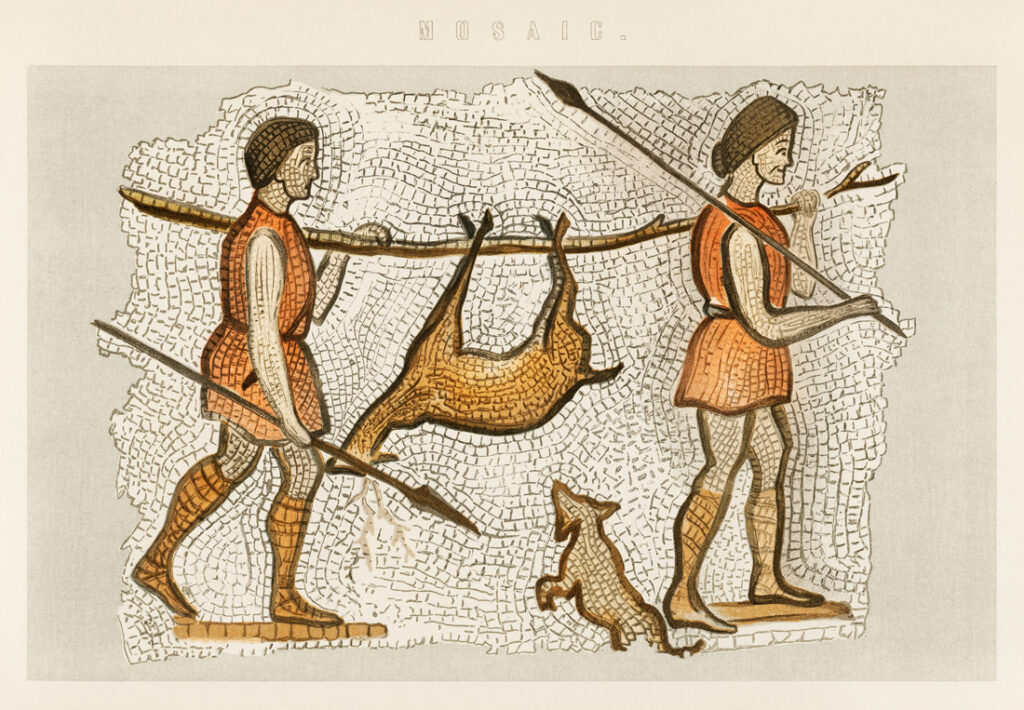
We used to – very, very, long ago when we were ‘hunter/gatherers’ – have a nicely balanced diet based mostly on fruit, nuts, forest products, small animals and fish, and occasionally a major hunt would bring in a lot of protein and a bit of fat (even the animals were fit in those days!). And we were fit and healthy too.
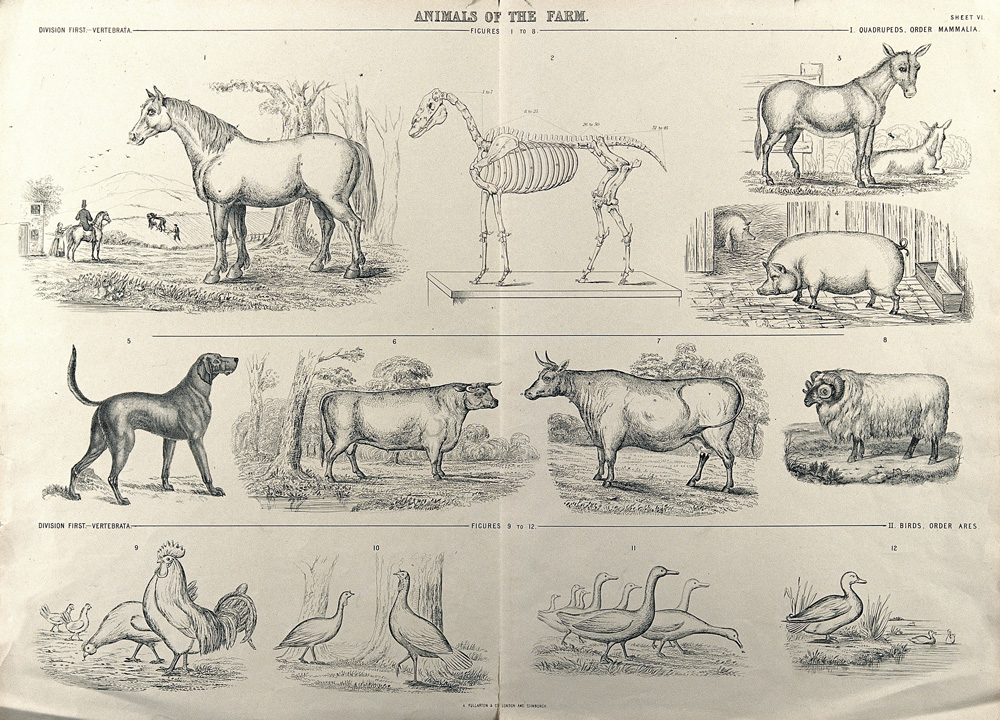
Then we moved on to the “Agrarian Revolution” which bonded the people to the land, introduced both a bounty and disaster of ‘monocultures’ as fields were walled in, grain grown and cows and sheep herded and bred. We went from fit and healthy, eat what you find, to boom or bust, fat or famine, across the Western world, with health declining in direct proportion to lack of food varieties and the definite lack of exercise.
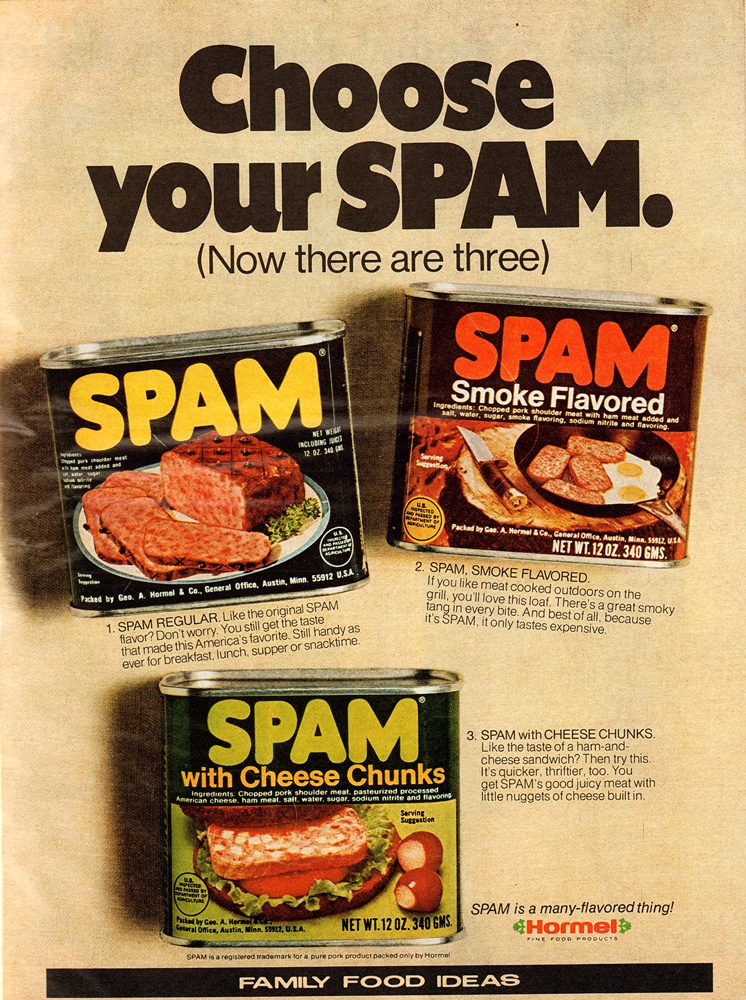
Then came the 20th-century boom in processed foods: first in cans, including beef and ham and marvellous things like ‘spam’ (not an internet food). Then frozen food became the fad (have you tried fish fingers!?). Then came the worldwide spread of McDonald’s, Pizza Hut and KFC, degrading food to a kid’s playtime hobby rather than a serious social event.
Finally, we have a backlash, a realisation: that obesity was not just ‘big bones’ but big portions of indigestible foods, that health actually derived in a major way from our choices and preparation. And to be fair, the 21st century has seen a major improvement in food and nutrition consciousness, and an outbreak of organic, vegetarian and vegan restaurants. Good progress.
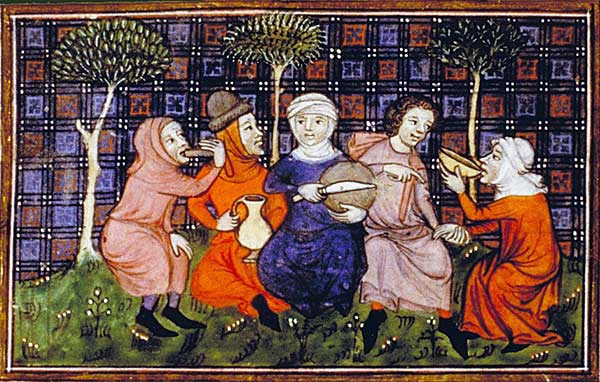
But that is only half the story: what we eat. The other half is how we eat it. Society, even back in hunter/gatherer times, used to sit and eat together. Mealtimes were, until the 20th century, considered sacrosanct. A time when families sat together and, after a prayer, thanking their maker for provisions of sustenance, ate together and discussed matters of importance. This was greatly amplified at times of religious celebration, with ‘buka puasa’, the breaking of the fast, strictly adhered to in Muslim families, or Christmas lunch or dinner.
But more than that, meals were always used as celebrations, with great banquets held to praise great achievements – and still are today – at the Oscars, the Grammys and other Awards. And they were very instrumental in bringing about fundamental changes in intellectual thinking, whereby the dinner table became the arena for deep discussion and critical thinking in the age called the ‘Enlightenment’. This is when, over a roast dinner and many glasses of wine, the changes to modern philosophies were crystallised.
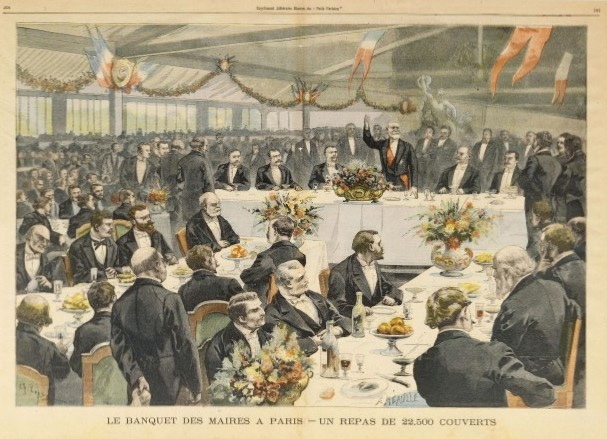
So, from basic necessity to luxurious excess, mealtimes have evolved, with family values being established at breakfast and lunch, political ideas cemented over ports and brandies. With food at the centre of it all. Is that how your family works, your friendship circle works? I hope so, but one thing has held through the ages: when couples get together for the first time, what do they do? They eat together: the romantic meal starts it all. Maybe that is the most important role of food of all! As Shakespeare said (with some slight variation): ‘If food be the music of love, eat on’
Selamat makan.