



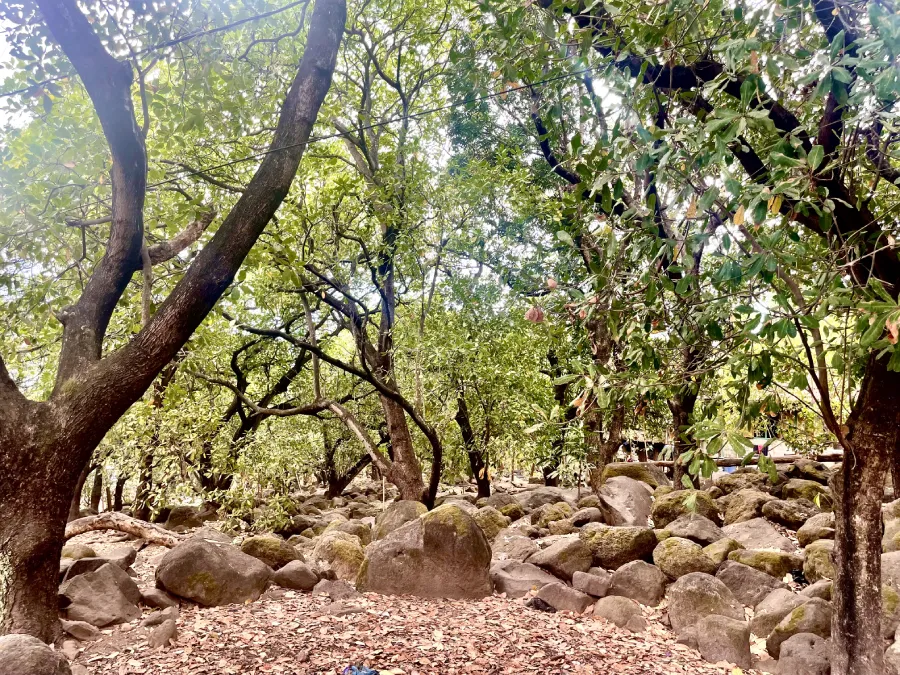
‘Nusantara Gastronomy’ is a series by Helianti Hilman that explores Indonesia’s food biodiversity and the cultural wisdom that sustains it, from forest to farm, heritage to haute cuisine. New article in every edition of NOW! Jakarta Magazine | Subscribe Now
What if Indonesia’s greatest advantage in global gastronomy is not a dish—but a landscape?
At a time when chefs, restaurateurs, and food brands worldwide are redefining sustainability, provenance, and authenticity, Indonesia already holds an extraordinary asset. It is holds a wealth of forests and seas, mountains and wetlands, arid lands and small islands. Long before menus, culinary awards, or food trends existed, Indonesians learned how to eat by listening to the land.
For today’s diners and hospitality professionals alike, Nusantara gastronomy offers more than nostalgia. It offers a living framework, one where geography shapes flavour, ecosystems inform technique, and culture sustains continuity. To understand Indonesian food is to understand its landscapes.
Forests: The First Pantry
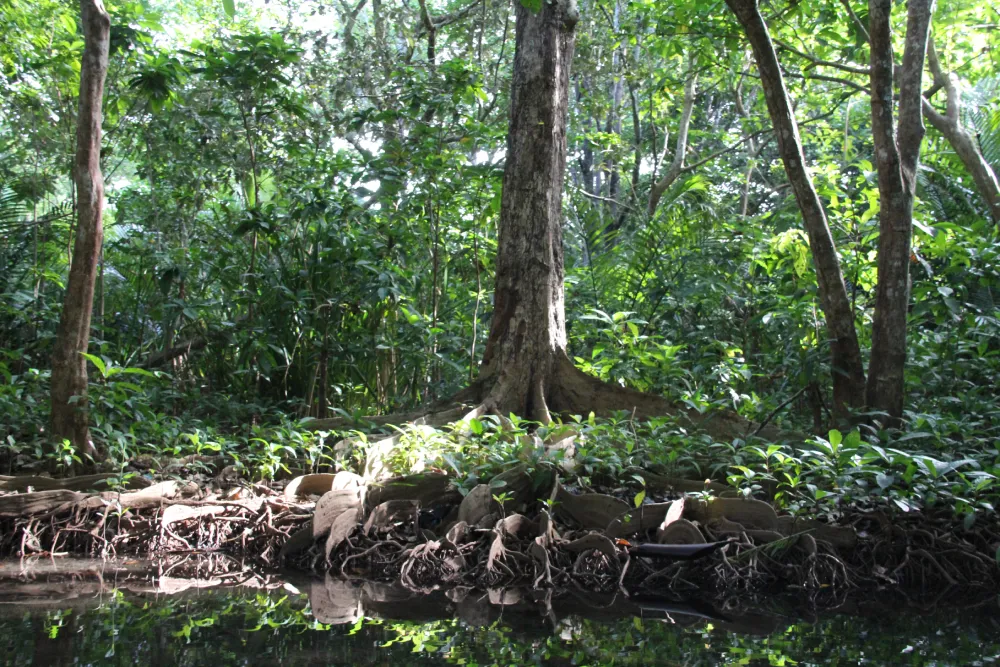
Indonesia’s tropical forests were humanity’s original supermarkets. Across eastern Indonesia, sago, wild tubers, breadfruit, and bananas formed the backbone of daily sustenance. In forested regions across the archipelago, leafy greens, mushrooms, edible shoots, fruits, spices, game, and wild deer shaped food systems rooted in renewal rather than extraction.
These ingredients were gathered and hunted with restraint and ritual, reinforcing relationships with the forest based on balance, respect, and continuity. For generations, forests nourished communities without being depleted. Today, as global kitchens search for alternative starches and plant-forward menus, forest-based foods offer enduring lessons in resilience.
Indonesia’s most prized spices—nutmeg, clove, mace, cassia cinnamon, and andaliman—were born in forest ecologies, not plantations. Their complexity comes from place. Reintroducing forest ingredients into contemporary menus is not romanticism, but rather a way to reclaim depth of flavour while honouring biodiversity.
Wetlands and Peatlands: Flavour Born from Water and Time
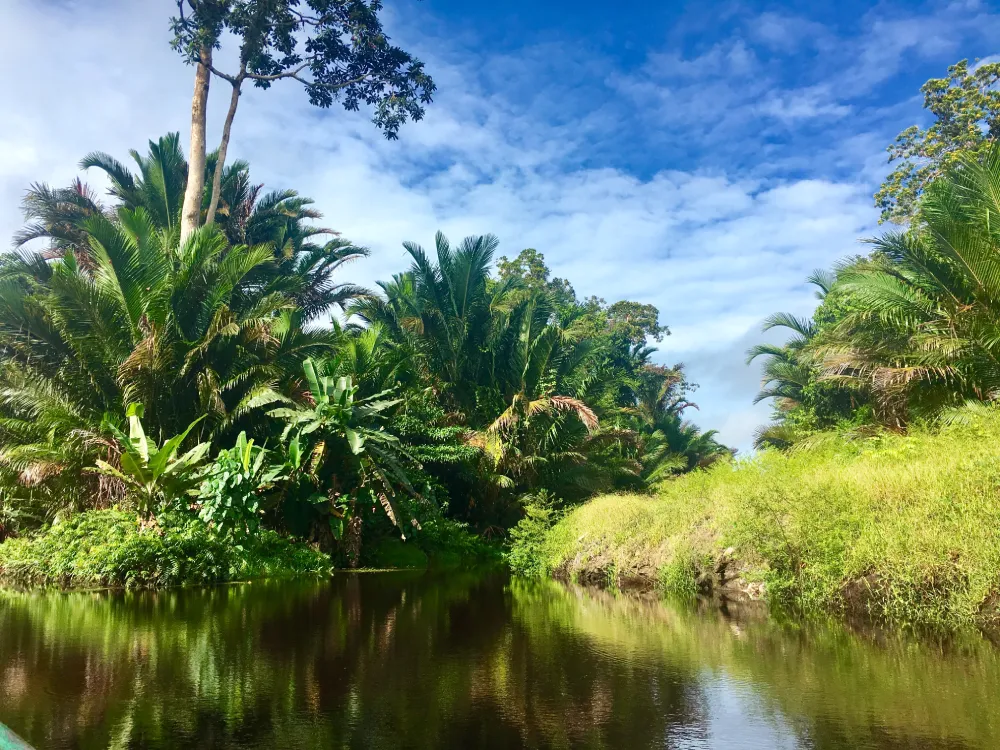
Indonesia’s wetlands and peatlands are among the country’s most misunderstood landscapes. Yet gastronomically, they are deeply sophisticated. Across Sumatra, Kalimantan, and eastern Indonesia, sago thrived in waterlogged soils where rice could not grow. Alongside wild tubers, fish, and aquatic plants, sago formed the backbone of resilient food systems built on adaptation rather than control.
High humidity and seasonal flooding encouraged techniques such as fermentation, souring, drying, and smoking—methods that ensured food safety, longevity, and complexity of flavour. The sourness in peatland dishes is never sharp; it is gentle and rounded, unfolding slowly, shaped by patience and climate.
As global kitchens rediscover fermentation and alternative carbohydrates, peatland foodways offer time-tested lessons in resilience, efficiency, and respect for water-based ecosystems.
Lakes and Rivers: Freshwater Ecologies of Restraint
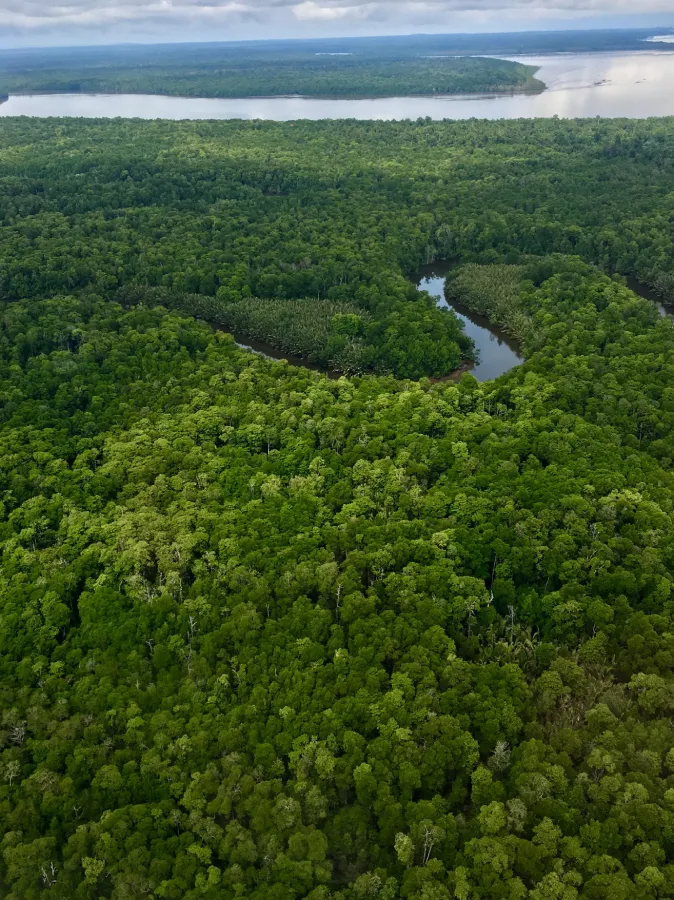
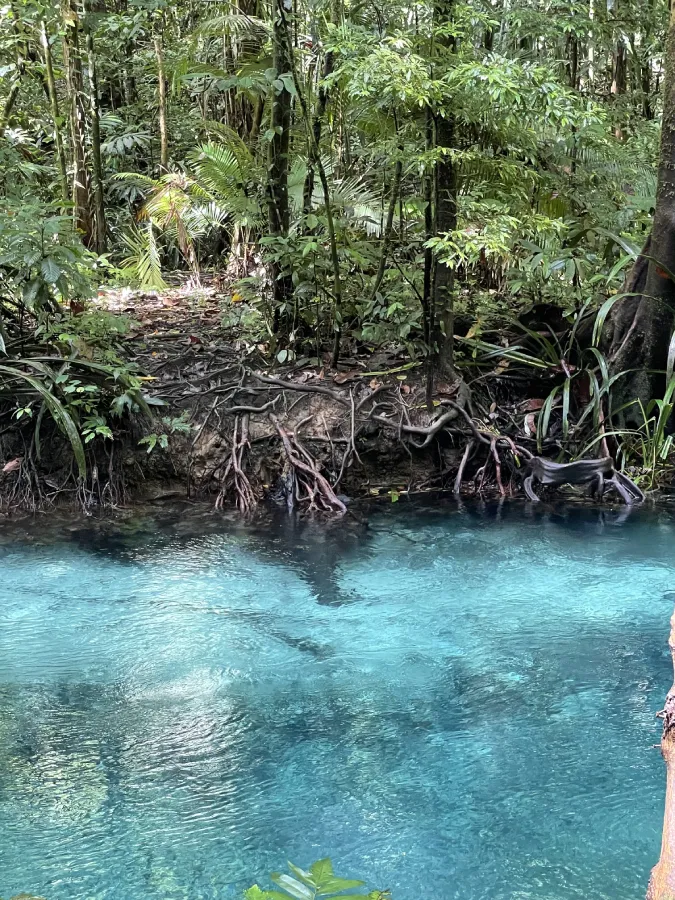
Indonesia’s inland waters—rivers, floodplains, and ancient lakes—form a vital yet often overlooked culinary landscape. Long before maritime trade shaped coastal cuisines, freshwater ecosystems sustained communities deep in the archipelago.
Rivers and lakes provide remarkable biodiversity: ikan gabus, patin, baung, toman, river lobsters, and countless varieties of lake fish. These waters also nourish edible aquatic leaves, roots, and flowers—harvested according to season, current, and flood cycle.
Freshwater cooking values clarity and balance. Broths are light yet deeply savoury; fish is gently steamed, grilled, or slow-cooked to preserve natural oils. Preservation—drying, fermenting, salting—responds not to abundance, but to fluctuating water levels and migratory fish patterns.
Coasts and Seas: Indonesia as a Maritime Table

Indonesia is a maritime civilisation, yet coastal cuisines remain underrepresented in mainstream narratives. Along the archipelago’s shores, food is shaped by tides and intuition. Fish soups are light, tangy, and aromatic; grilled seafood is seasoned sparingly to honour freshness.
Mangrove ecosystems, in particular, are culinary frontiers. Beyond their ecological importance, mangroves are abundant food sources. Nipah palms thrive where river meets sea. From a single plant, communities harvest sap for sugar, salt, vinegar, and fruit. Beneath their interlaced roots, crabs, molluscs, and fish find refuge, making mangroves not only sources of food, but foundations of coastal life.
Small Islands: Cuisine of Ingenuity and Restraint
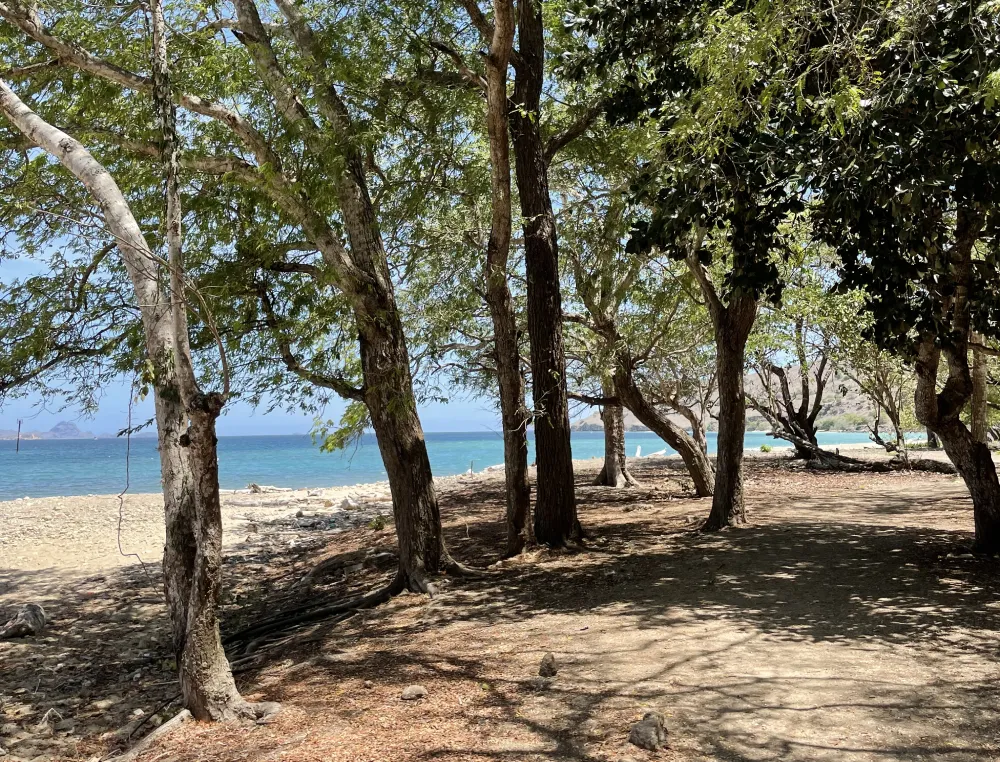
Though modest in size, island flavours are focused and expressive. Root crops and souring agents evolve in response to maritime conditions, producing tastes shaped by salt air, wind, and seasonal uncertainty. From tamarind in Komodo, breadfruit in Belitung, taro in Nias, to enbal cassava in the Kei Islands, each delivers a distinct yet assured flavour profile.
Island cooking teaches that simplicity is not absence, but intention. Nothing is wasted; nothing is disguised. Some of Indonesia’s most refined flavour balances emerge from places with the fewest resources.
Highlands and Volcanic Slopes: Precision from the Soil
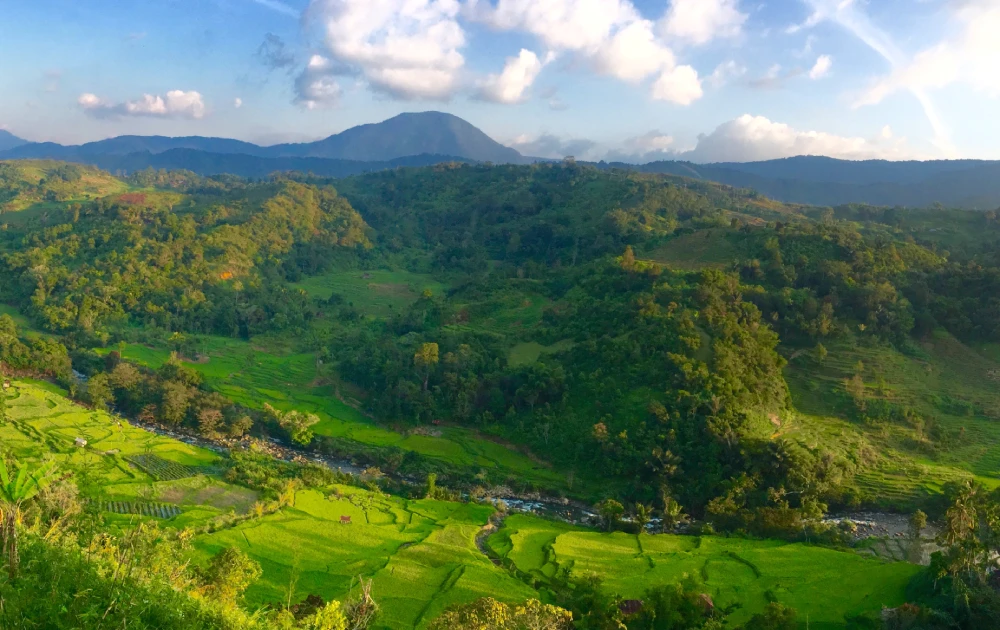
Indonesia’s volcanic landscapes offer another register of taste. Terraced fields in Java, Bali, and South Sulawesi reflect centuries of ecological engineering, where water, soil, and spirituality converge. Here, agriculture is ceremonial.
Highland rice grows more slowly, tastes cleaner, and carries mineral clarity shaped by volcanic soil. Coffee, spices, roots, and leafy greens from these regions express landscapes formed by fire, ash, and time.
Arid and Barren Lands: Cuisine of Endurance
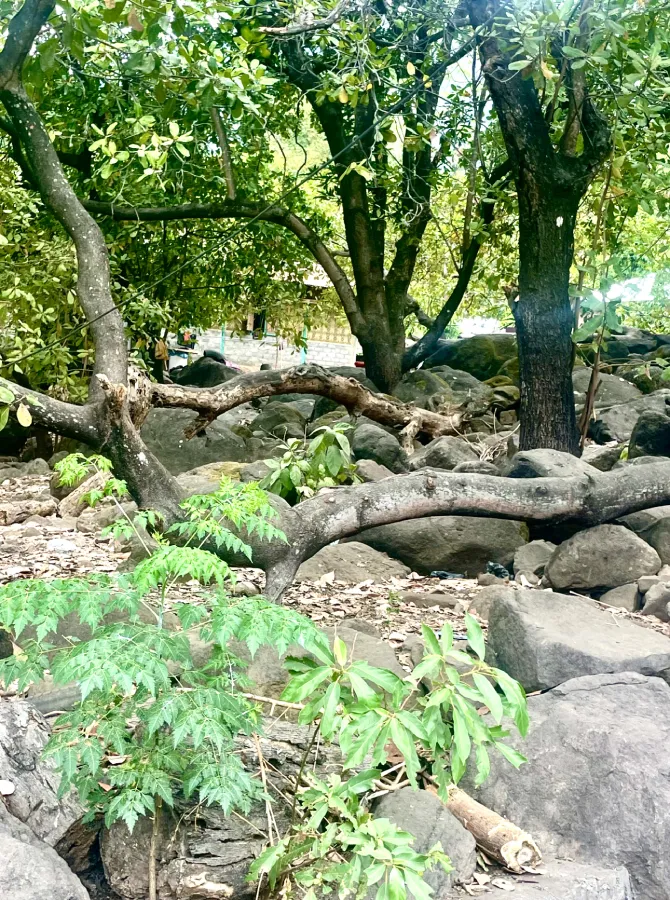
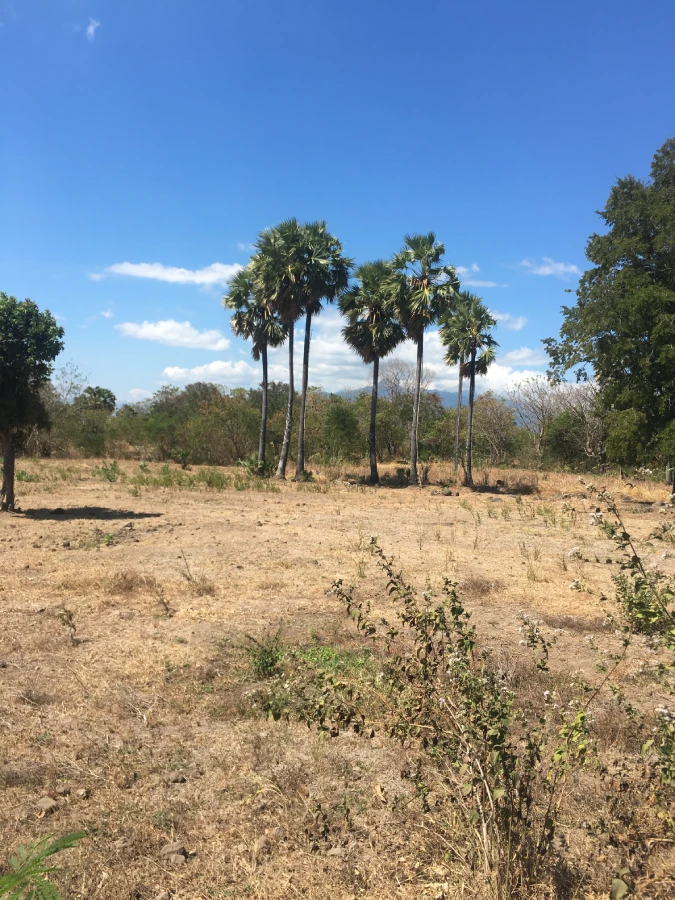
In contrast to fertile volcanoes and lush forests, parts of eastern Indonesia—particularly Nusa Tenggara and sections of Maluku—are defined by arid, rocky, and drought-prone landscapes. Here, scarcity shaped a cuisine of endurance.
Communities cultivated sorghum, millet, maize, cassava, and hardy legumes—crops resilient enough to flourish with minimal water. Protein was carefully preserved through drying, smoking, and salting, shaping flavours that were bold, smoky, and deeply satisfying, designed to sustain both body and spirit. Blessed with the multi-purpose lontar palm—source of sugar and fruit, as well as materials for shelter and musical instruments—arid lands reveal themselves not as barren, but as landscapes of ingenuity and abundance.
What was once described as “barren land” reveals itself, through food, as a place of discipline and ingenuity. As climate uncertainty grows, these traditions offer valuable lessons in resilience and diversification.
From Landscape to Market—and Back to the Table
For everyday diners, Nusantara gastronomy often appears as comfort food or regional specialties discovered while traveling. Beneath the pleasure lies a deeper story.
Translating these landscapes into contemporary markets, both in Indonesia and abroad, requires patience, traceability, and respect for origin. Through years of bringing indigenous ingredients from forests, wetlands, highlands, arid lands, small islands, and coasts to professional kitchens and global markets, one truth becomes clear: gastronomy cannot be separated from stewardship. Flavour travels farthest when ecosystems and cultural knowledge travel with it.
For hospitality and F&B professionals, landscapes are not passive backdrops. They are strategic assets—informing menus, sourcing decisions, and brand narratives in a world that increasingly values authenticity.
Listening to the Land
As Indonesian food continues to enter global tables, the risk is simplification. The opportunity is differentiation.
This column series, Nusantara Gastronomy: From Ancient Roots to Global Tables, begins with landscapes because landscapes are the grammar of flavour. In the months ahead, we will explore ingredients, techniques, communities, rituals, and contemporary reinterpretations that shape Indonesia’s culinary future.
Indonesia does not need to invent a new food identity. It needs to listen more closely to the land, and invite chefs, diners, and travellers to do the same.
‘Nusantara Gastronomy’ is a series by Helianti Hilman that explores the Indonesia’s food biodiversity and the cultural wisdom that sustains it, from forest to farm, heritage to haute cuisine.
New article in every edition of NOW! Jakarta Magazine | Subscribe Now