


No one can deny that batik, songket and other forms of wastra – traditional Indonesian textiles – hold a particular place in how Indonesians dress for important occasions. We keep them carefully, bring them out for weddings, formal galas and other important occasions, then fold them away again until the next one comes along. Some wastra are rare or sacred, while others have taken months of skilled work to produce. After all, you are hardly going to throw a prized songket into the weekly wardrobe rotation without a second thought.
But when that careful treatment becomes our default relationship with inherited craft, does everything have to remain too precious for everyday life?
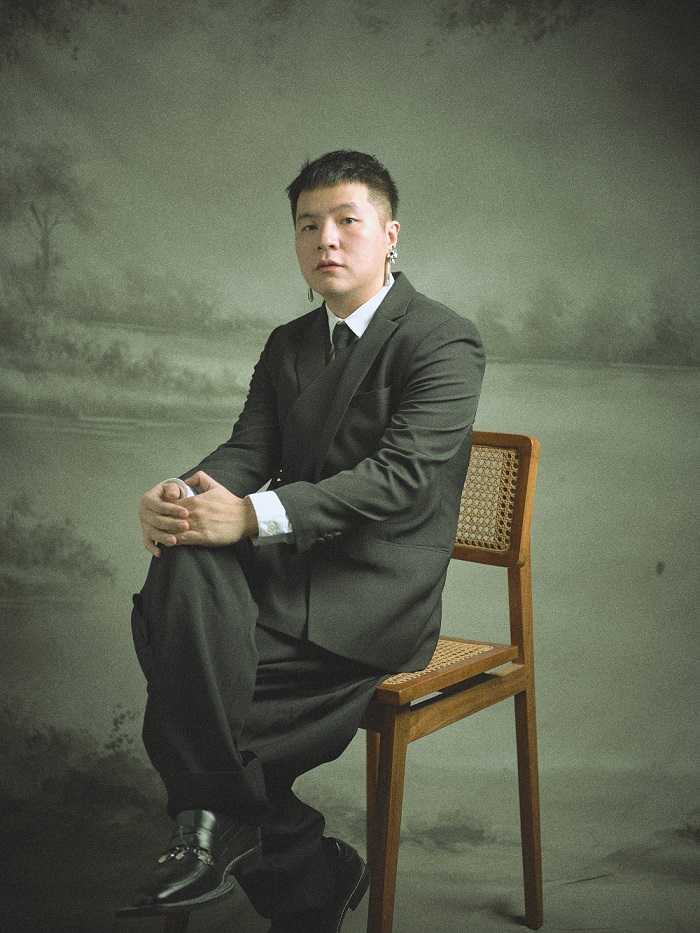
“Heritage can survive only when it has a future that sustains the creators,” says Randi Julian Miranda, Founder and CEO of HANDEP. His work approaches that question through Dayak rattan weaving, while fashion designer Wilsen Willim encounters it through tenun, songket and batik. Their materials are different, but both face the same challenge: to turn cultural appreciation into regular demand that keeps a craft worth making and worth learning.
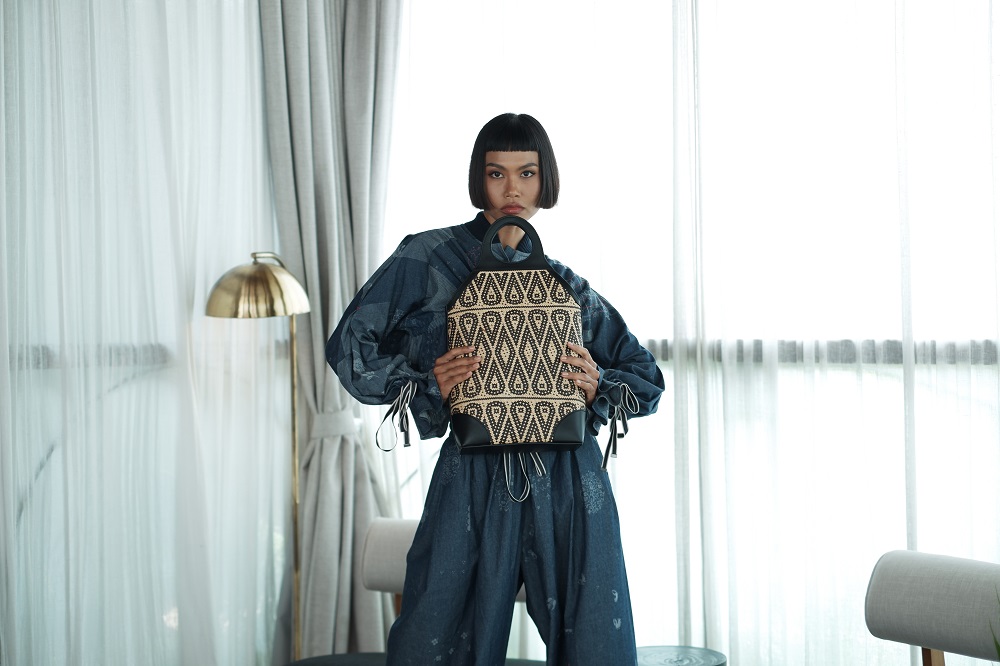
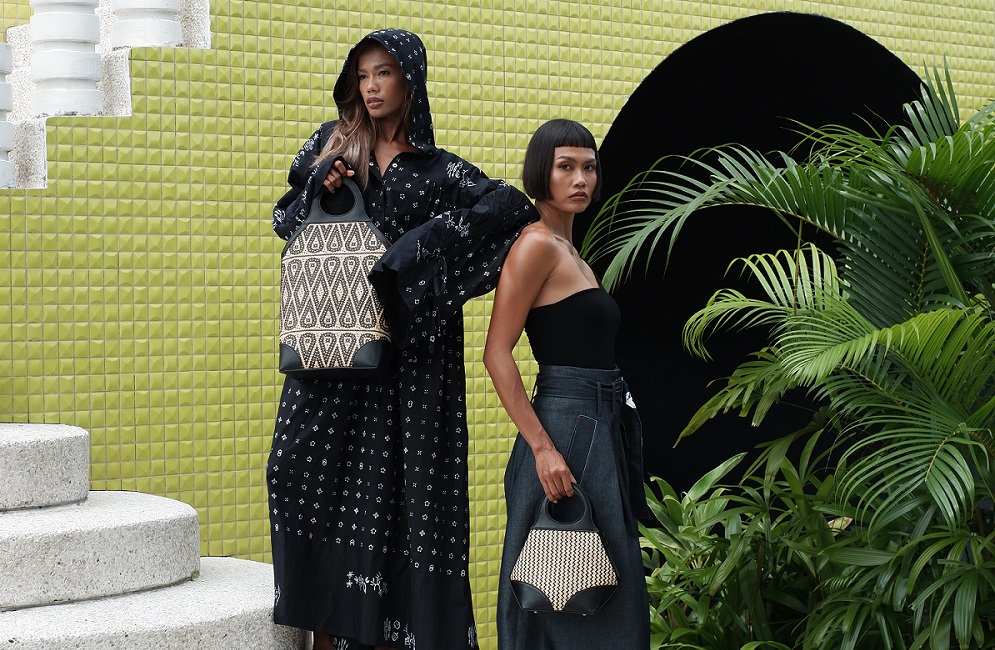
Creating that demand, though, is where the design question begins. For Randi, that starts with the making itself. At HANDEP, the rattan is still harvested, split, refined and woven by hand, much as it has been for generations. What changes, he explains, are “the silhouette, the scale, and the function.” In other words, making something contemporary does not have to mean replacing the technique that came before it. Sometimes, it simply means giving that technique another job. A weaving method once used to make a basket for carrying padi can now become a work bag, or something carried to dinner in Jakarta, Seoul or Tokyo.
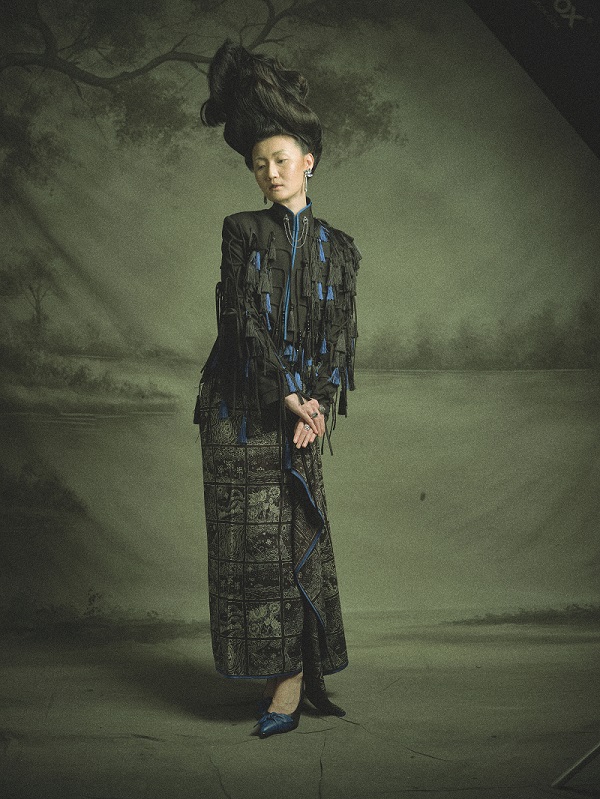
Wilsen arrives at the same idea from the almost opposite direction. Rather than changing what the technique becomes, he plays with what the technique can say. His recent algorithm, or “binary” batik, takes the visual language of digital systems and works it through one of the slowest, most manual methods in fashion.
The idea came partly from his frustration with the way wastra is often commercialised today. Traditional motifs are taken from something handmade and closely tied to slow craft, then digitised, printed and reproduced at scale. Wilsen wanted to reverse that process. Instead of turning tradition into something digital, he brought a digital language back into the traditional method, keeping the batik hand-drawn with canting. “I took a very modern concept and applied it to a very old method,” he says. This contradiction is deliberate, the ones and zeroes may belong to the language of computers, but producing them this way still demands the time, skill and irregularities of the human hand. For Wilsen, batik remains the technique; what changes is what that technique is allowed to express.
But giving inherited craft room to move also raises the harder question of where that movement should stop. HANDEP consults senior weavers and community leaders before working with culturally specific motifs, and some are kept out of commercial collections entirely. Randi points to the Tree of Life as one example, a motif reserved for a particular traditional context and therefore not something the brand simply turns into a product.
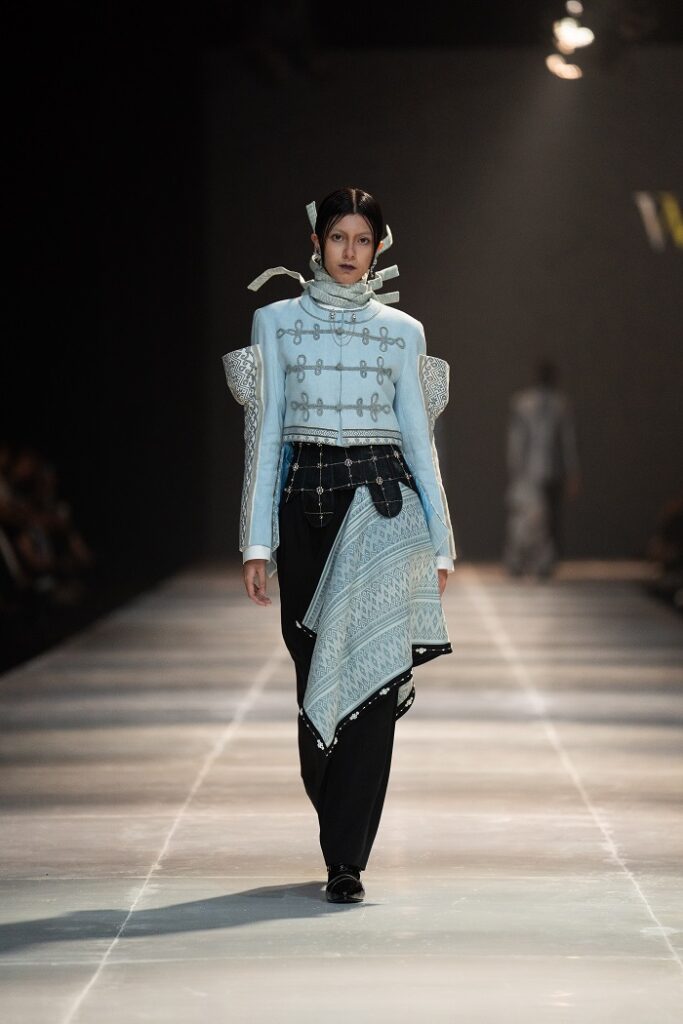
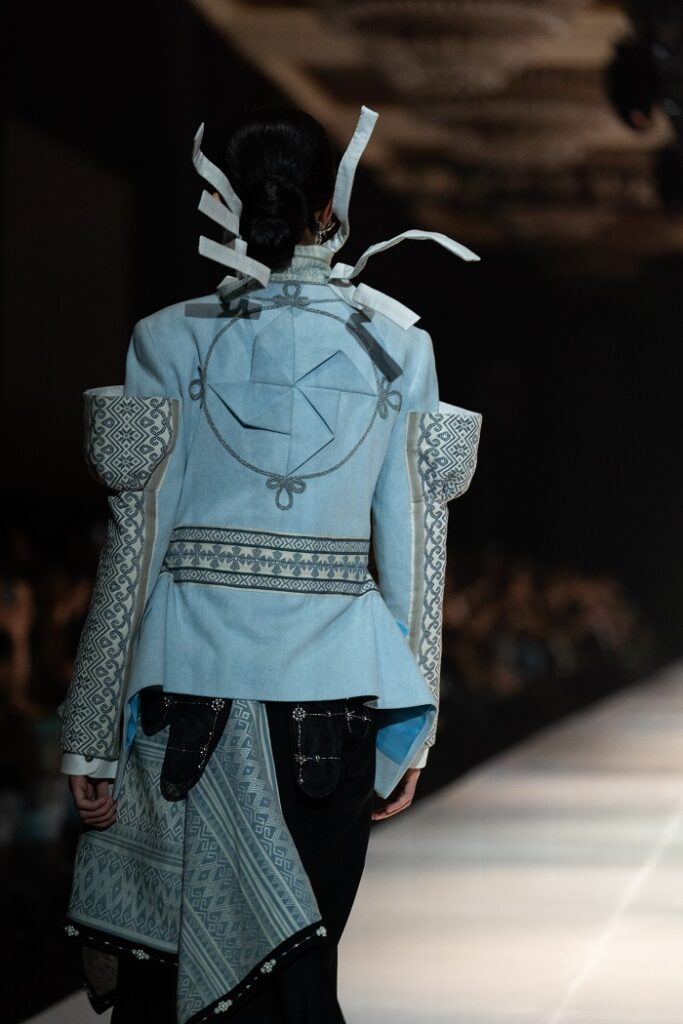

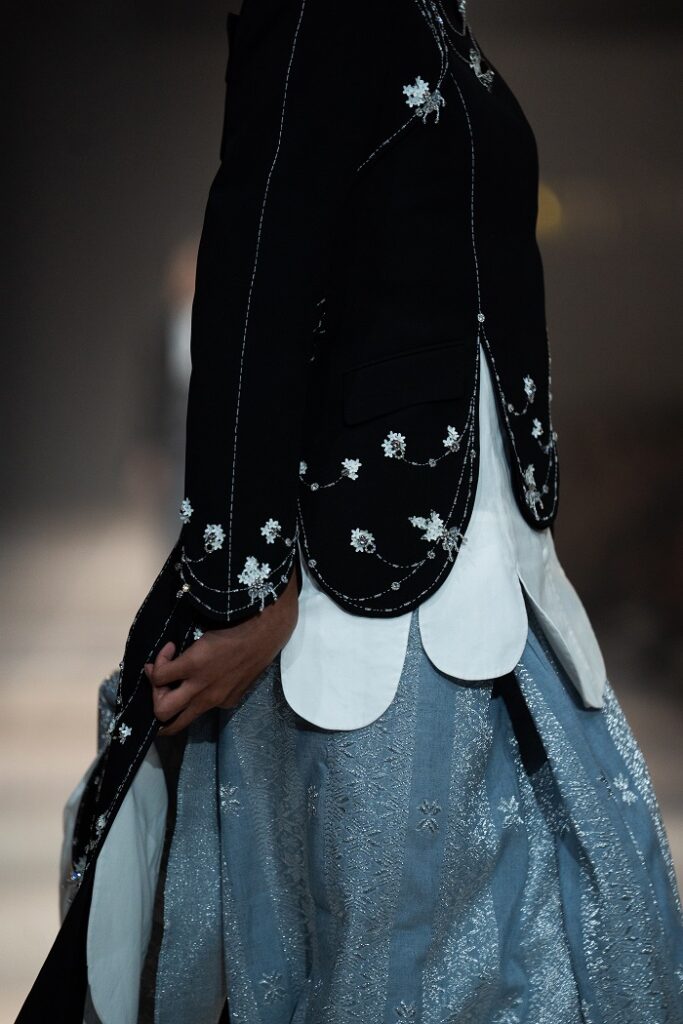
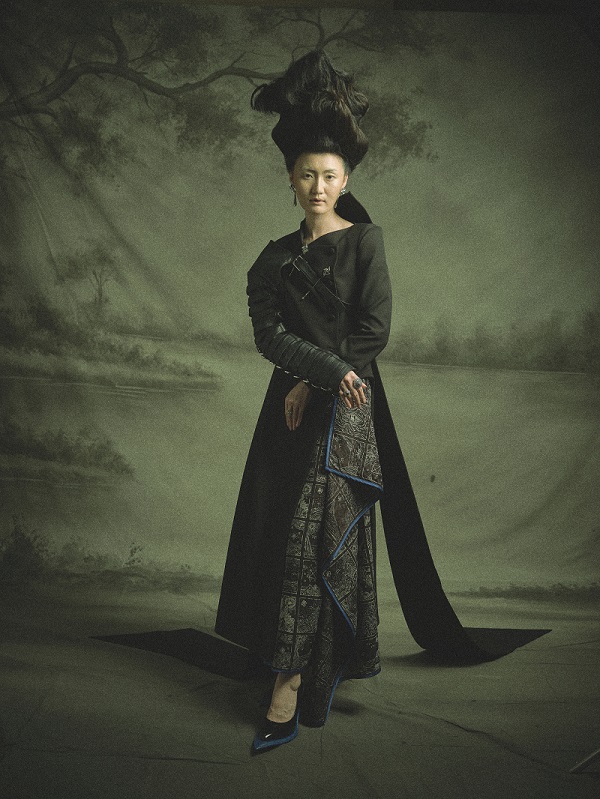
Wilsen makes similar distinctions with wastra. He will leave exceptionally valuable songket intact, while textiles carrying living figures such as dragons or birds are handled according to rules around how their forms can be cut. Simpler, repetitive motifs give him much more room to turn the textile into clothing for work, dinners and other everyday settings. “Such textile is beautiful. Why cut it? That’s why the commercial ones exist,” he says. Making heritage wearable, then, starts with knowing it well enough to understand what can move, what can change and what should stay exactly where it is.
That commercial category matters for reasons beyond making heritage easier to wear. For Wilsen, it also creates the regular work that allows younger artisans to keep practicising their craft. Commercial to him still means handwoven and handmade; the difference is that these textiles can be simpler, faster to produce and realistic to sell more regularly. A museum-grade songket may take an exceptional amount of time and skill to complete, while a younger weaver can produce a less elaborate textile that eventually becomes the jacket someone wears to work. One preserves the highest expression of the craft, the other helps create conditions for someone to reach that level in the first place.
Randi comes to much the same conclusion through rattan. He says younger people cannot simply be told that weaving matters because it belongs to their culture. “You cannot actually lecture a young person into loving a craft,” he shares. “You need to prove that it has a future.”
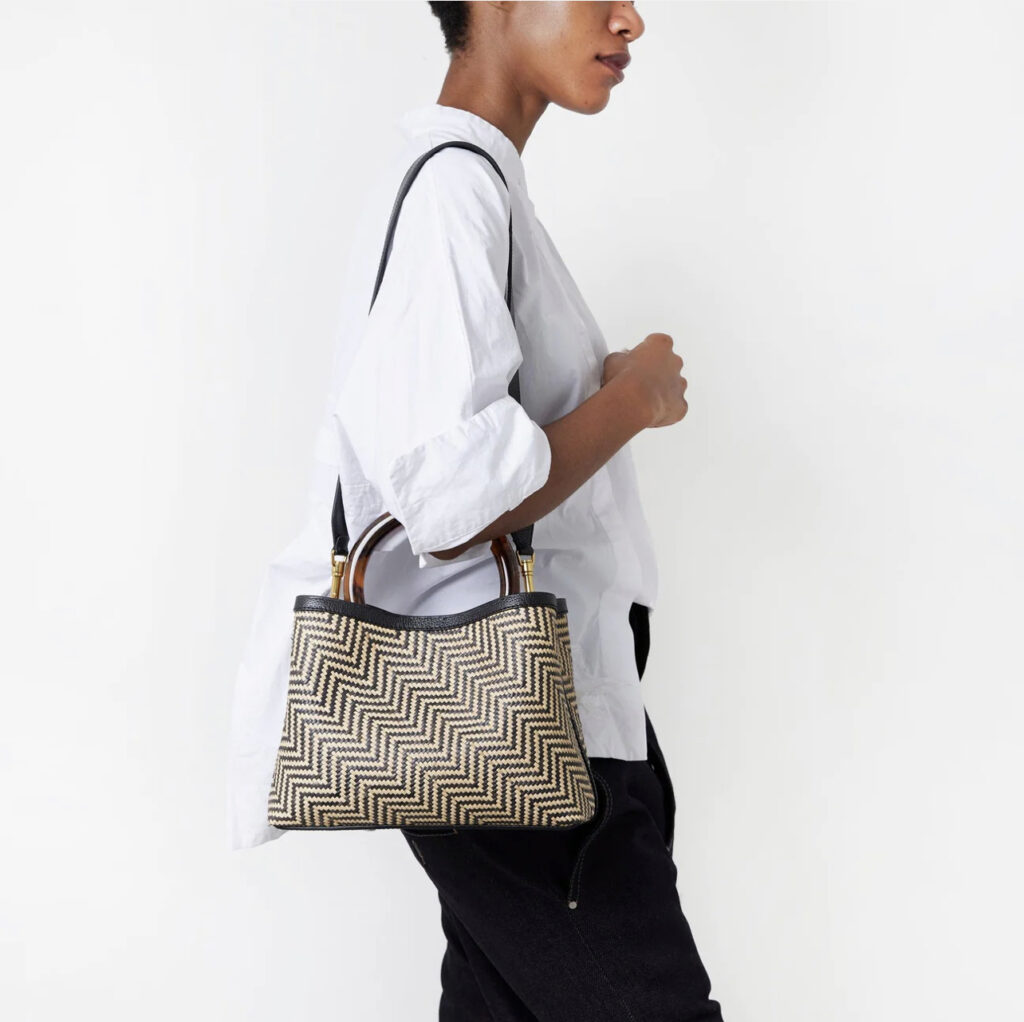
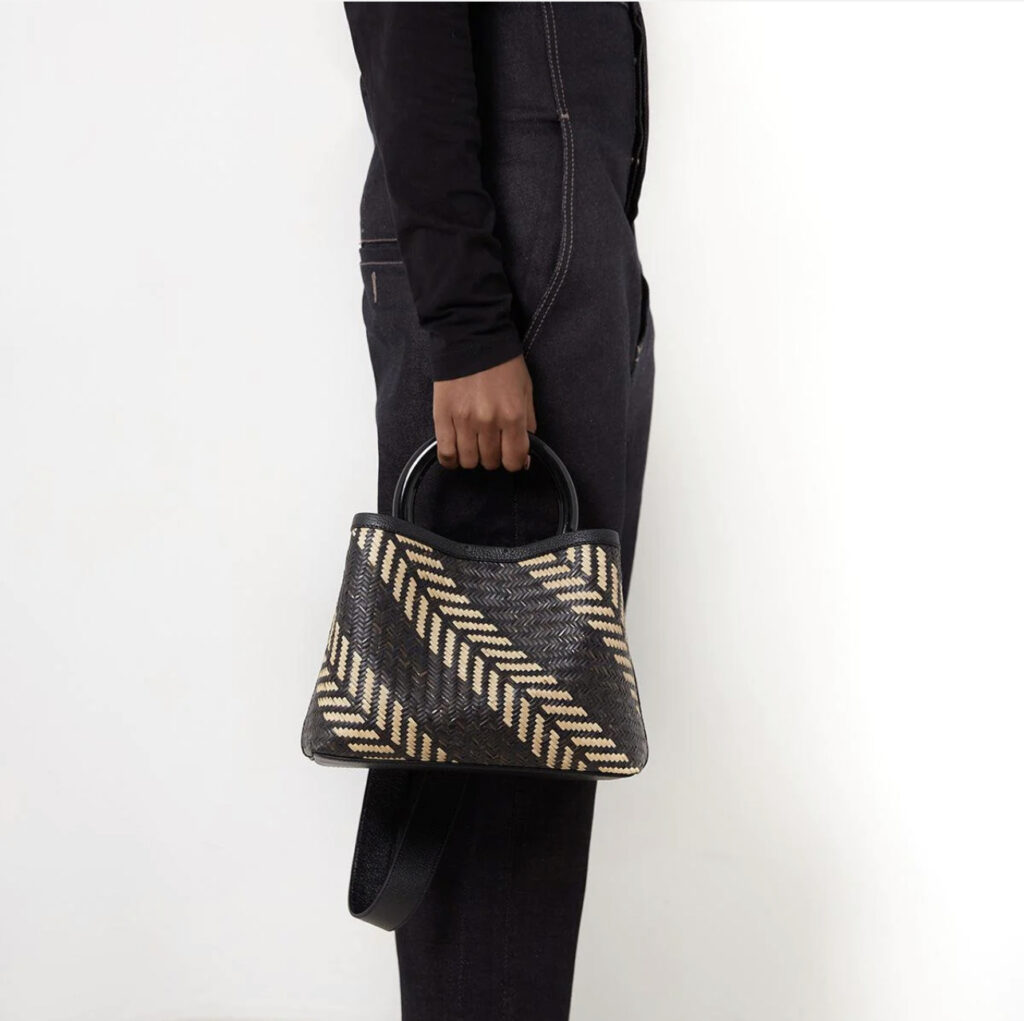
At HANDEP, he has seen younger women begin asking their mothers and grandmothers to teach them rattan weaving after seeing others earn regular income, receive scholarships or gain recognition in their communities through the skill. There is something rather simple in both arguments. If craft is expected to survive another generation, becoming good at it has to be worth the years it takes.
“Maybe they are not a legendary artisan today, but maybe in a few years’ time. But I need to give them reasons to be one,” Wilsen says, and the reason is also painfully practical. “Artists have to eat,” he adds. “You cannot make art if you’re too busy trying to find food to eat every day.”
Commercial demand, in that sense, does more than move products. It buys the artisan time to practise. And that time is ultimately what allows knowledge to become mastery, rather than ending with the generation that already has it. But for that cycle to keep working, the demand has to keep renewing itself.
Cultural significance may earn a craft respect, but respect alone does not necessarily give it a place in someone’s wardrobe, home or everyday routine. That gives contemporary design another responsibility to create something desirable enough to stand on its own, while still carrying the knowledge and technique that made it possible in the first place.
For HANDEP, that has meant letting the product speak for itself. Its newer rattan pieces have moved towards more structural silhouettes smaller bags, suited to how costumers actually use them, from dinners and casual outings to everyday styling. Randi explains that the brand’s design needs to feel compelling before a customer knows anything about the cultural history or labour behind the rattan. In that sense, heritage adds depth to the product rather than becoming the sole reason to buy it.
Wilsen is doing something similar through clothing. His use of wastra increasingly places traditional textiles within jackets, tops, skirts and Indonesian silhouettes that feel at home in a modern wardrobe, whether for the office, an event or a regular day out. The same thinking appears in his recent collaboration with Dian Sastrowardoyo, who puts the intention plainly: “I want kebaya to become part of the daily lives of Indonesian women.”
Some pieces should remain exceptional, others need the freedom to enter everyday life to increase regular demand that can sustain the people making them and give the craft a reason to continue.
All photos are courtesy of HANDEP and Wilsen Willim teams.
@wilsenwillimofficial | @handepharuei