


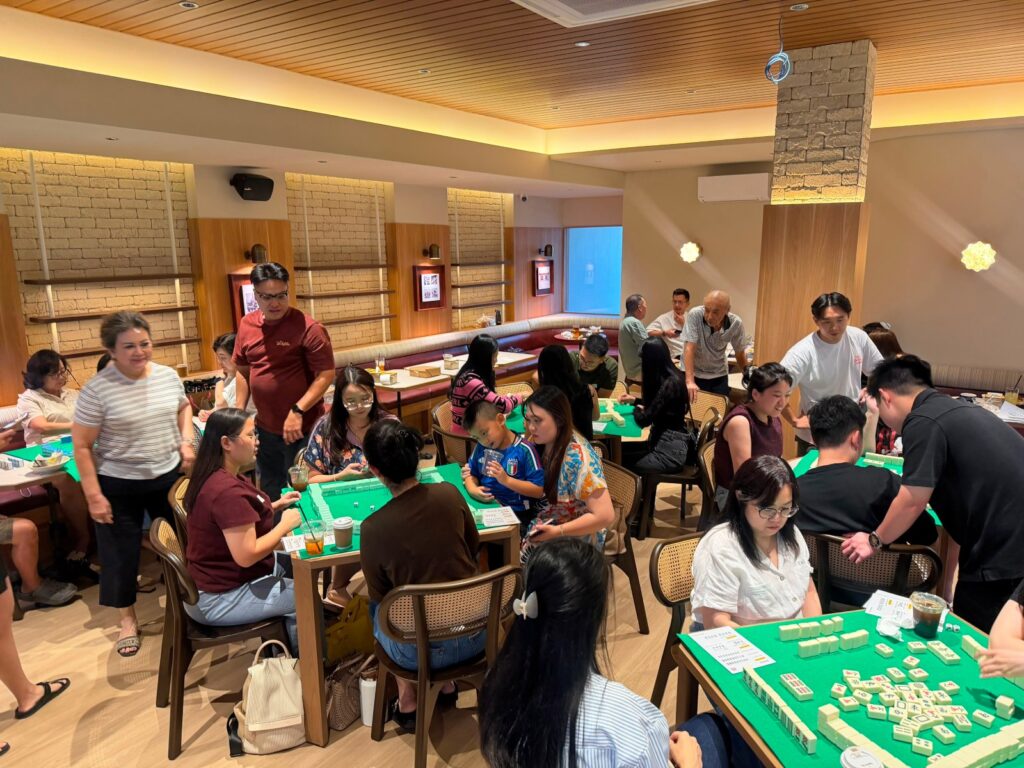
A game of mahjong can get surprisingly competitive. Four people sit quietly around a table until one lucky draw suddenly changes everyone’s fortune. The tantalising combination of strategy, memory, probability, and definitely a dose of luck, has struck a chord in Jakarta, drawing a wave of new players to this age-old game.
Jakarta resident Jessie Zhang got hooked on the traditional Chinese tile game when she was living in New York. When she returned to Jakarta in 2023, she introduced it to close friends, and slowly what began as occasional meetups twice or so a month grew into a full-blown community with gatherings four times a week.
This was the unlikely beginning of the Nanyang Mahjong Club. The club brings the popular Hong Kong Mahjong style to the table – this is the most widely-recognised ruleset amongst the 40 plus regional variations of the game. It’s the most approachable format, making it an ideal introduction for beginners. Yet, despite its easy-to-pick-up ruleset, longtime players remain enticed by the game’s endless strategies, adding to mahjong’s ‘moreish’ attraction and the temptation for ‘just one more round’.
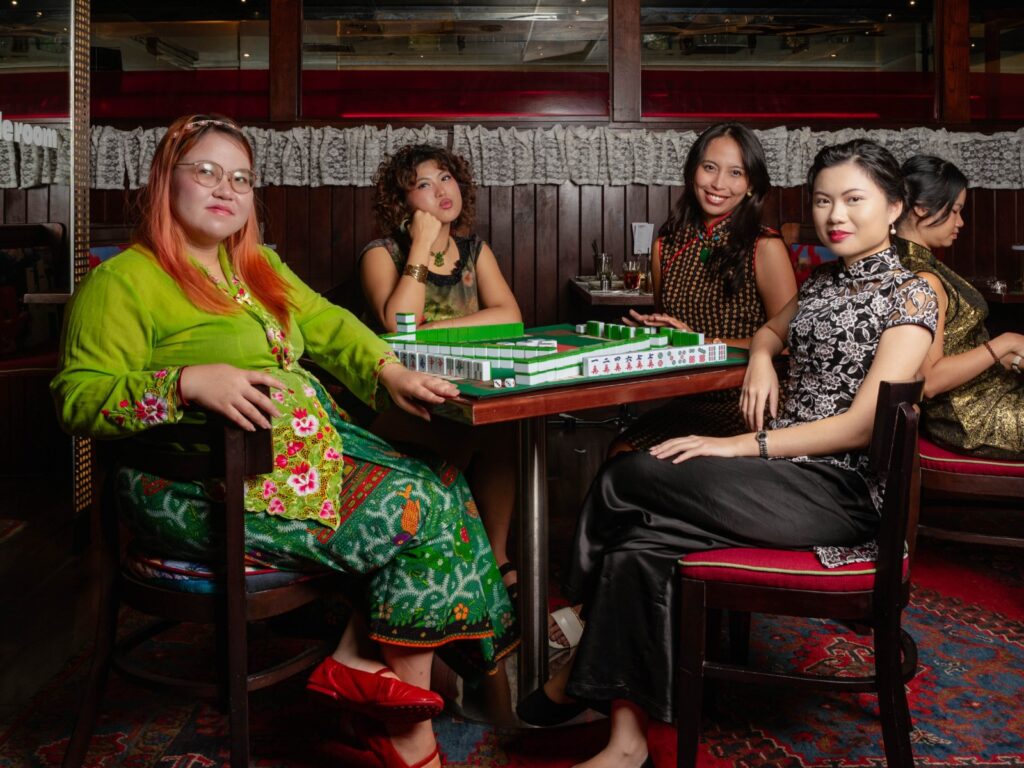
On any given game night of the Nanyang Mahjong Club , one never knows who will be sitting across the table. Students, young professionals, families, couples, solo players, expatriates and even embassy staff join the sessions, most keen to learn what the game is all about. Mahjong may have strong roots in one cultural tradition, but the people turning up to learn come from a variety of backgrounds, with many discovering the game for the first time.
The interest also comes as so much of daily life happens online. For younger people especially, hours spent streaming, scrolling and interacting through screens can make sitting around a table with others feel like a welcome change. Jessie sees this need for connection as part of mahjong’s charm. She observes that: “People are quite lonely and disconnected from each other. Mahjong is the opposite of all of that.” As a four-player, screen-free game, it gives people a reason to sit together, talk and play.
Mahjong has found a way to break through to the mainstream. The club has been a way to make new friends, with members celebrating birthdays together, even travelling together, building friendships that last well after games have ended.
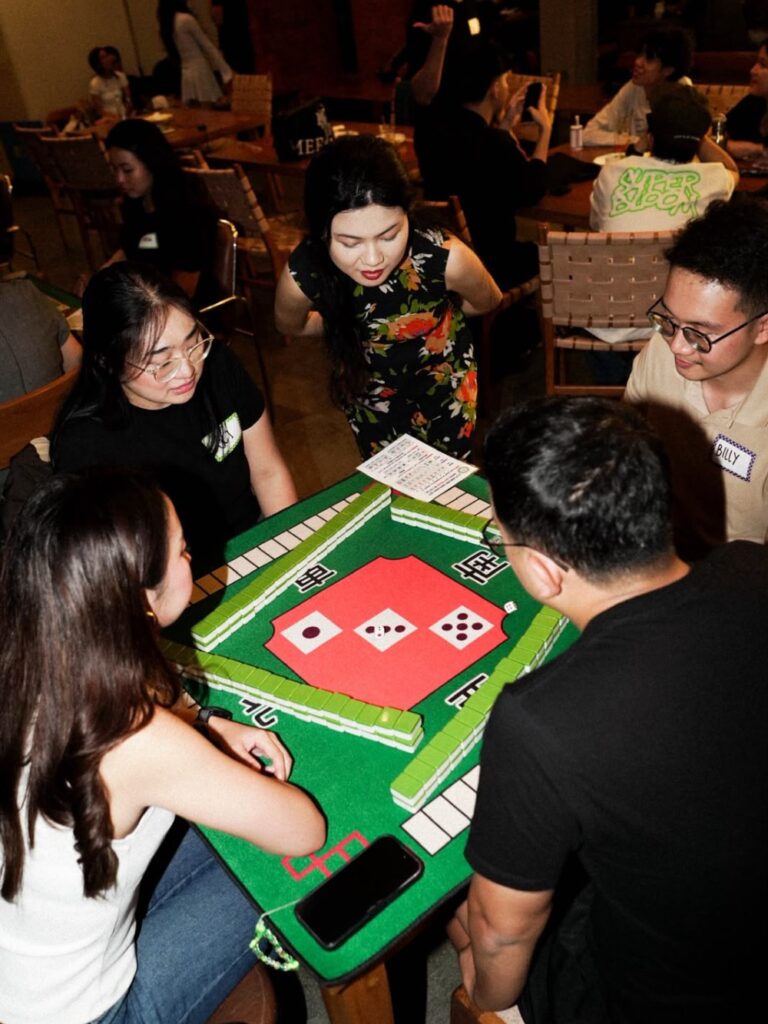
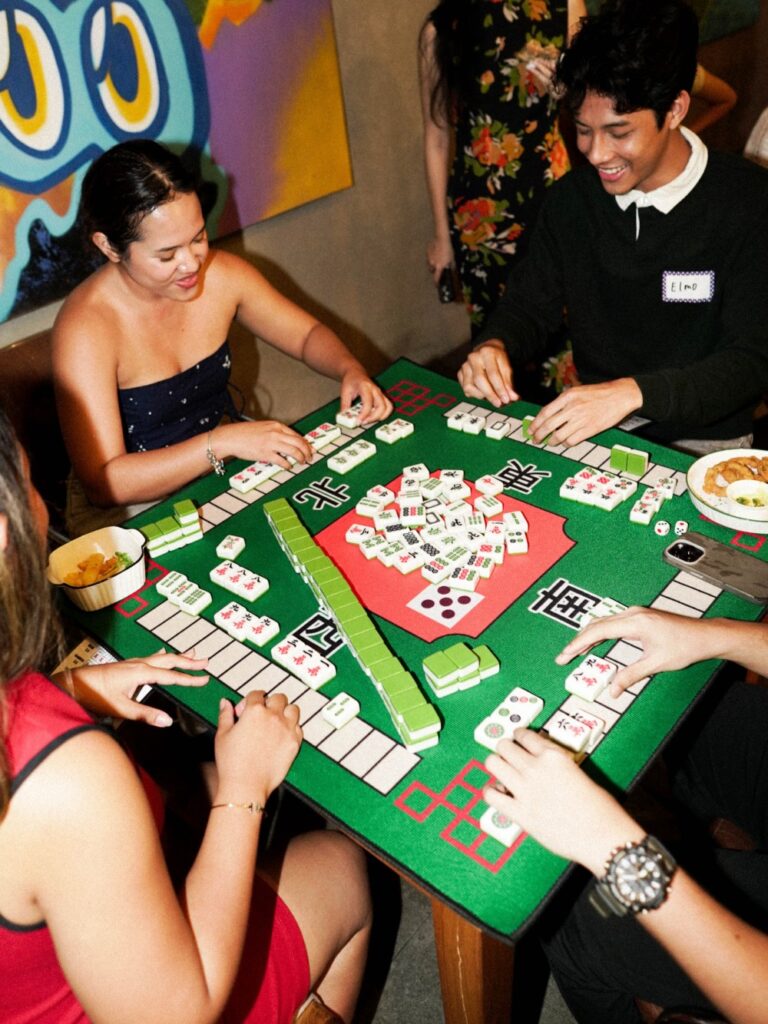
This isn’t just the case for Nanyang Mahjong Club. Vicky Wongso, founder of Side Quest Social, has seen the same with the community she launched in May 2026. Mahjong has become a catalyst, an excuse even, for people to meet, play and spend time together.
Vicky grew up playing the game with her family, also the Hong Kong style, and after seeing it gain traction overseas, she decided to teach it to friends. Having introduced the game to 30 or so people, Side Quest Social officially began.
During a session – after initial rules and FAQs are shared and sorted – Vicky says classes turn social very quickly. (Un)lucky draws, missed opportunities, or epic hands elicit enthusiastic reactions and roars of laughter, bringing people who just met an hour ago closer together very quickly. By the end, strangers become new playing partners.
More than 500 people have learned mahjong through the community, from teenagers to players in their 50s and 60s. Beginner sessions run three to four times a week at cafés around West Jakarta, with Level 2 classes available for those ready to go further.
“People are always looking for new ways to spend quality time together,” shares Vicky.
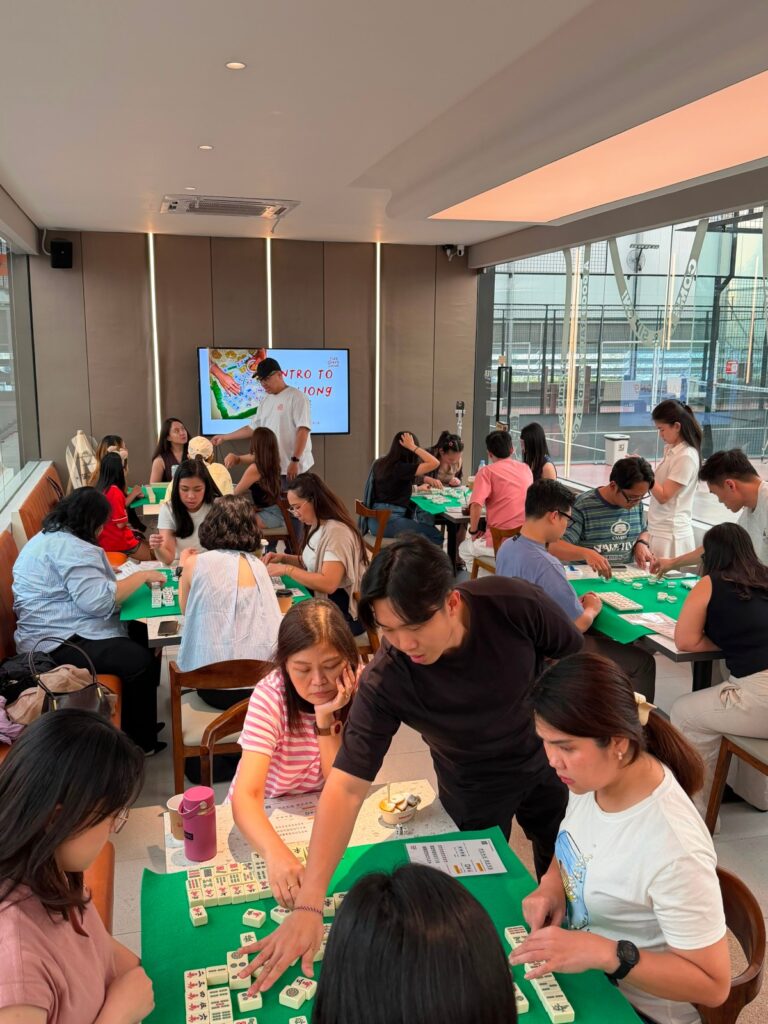
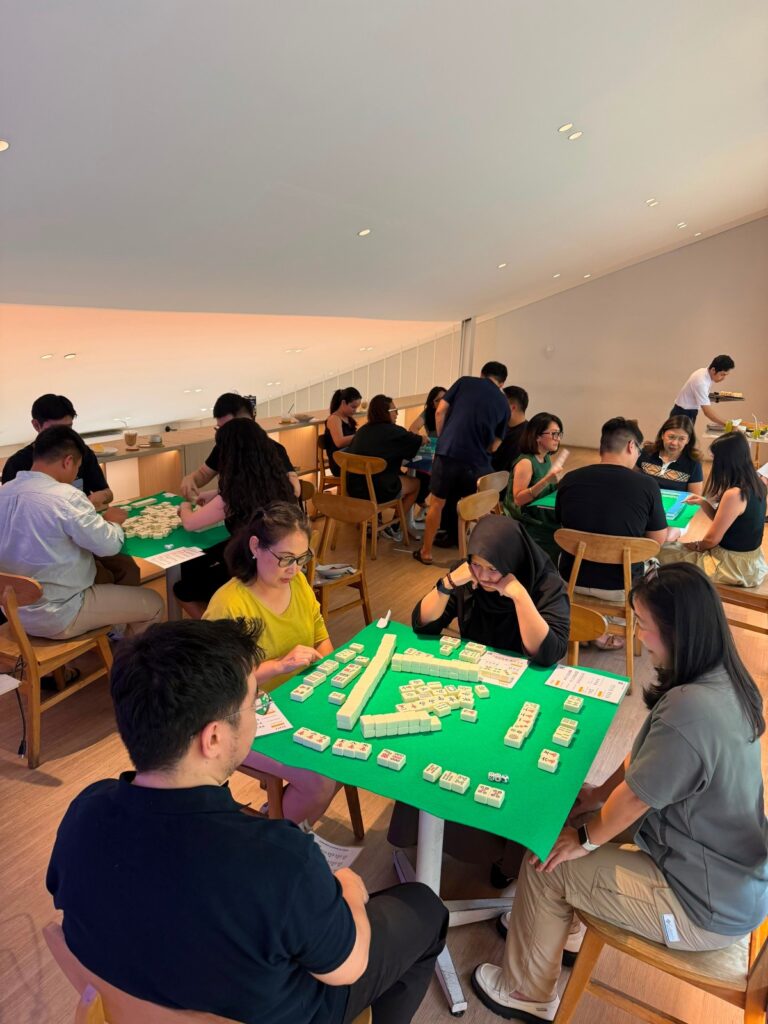
“Mahjong is the perfect excuse to get your friends around one table or even meet new people while learning something new,” she adds, sharing that Side Quest Social is using this momentum to add more reasons to get together: tournaments, trivia nights, murder mystery games and general social events.
But what about this game has it catching like wildfire across Jakarta, and indeed around the world? As both community founders mentioned, the social aspect is a major factor. Curiosity for the game brings them together, but what keeps them coming back are the connections and entertainment at each gathering – and the addictive competitiveness, of course! For the socially-out-of-practice, mahjong becomes the ultimate ice breaker, with the focus on the game removing any need for awkward small talk, or basa basi.
Mahjong’s monumental rise is akin to the rise of padel in the city, an easy-to-pick-up game that’s social in nature. Underneath it all, it’s apparent that there has been a yearning for real social connection – our digital world that was supposed to bring us closer, has instead pushed us further apart. The likes of mahjong, padel, and other growing interest-based communities, have emerged as society’s ‘excuse’ to re-engaging in a more direct, meaningful way.
Whilst Jakarta is known for its fast-fading ‘trends,’ let’s hope that this one is here to stay.
To join the mentioned mahjong communities, follow or get in touch with:
Nanyang Mahjong Club, South and Central Jakarta.
IG: @nanyangmahjong
Side Quest Social, mainly in West Jakarta.
IG: @sidequestsocial.id
Ready to play? Here’s a mahjong crash course:
Think of mahjong as a game of collecting the right tiles. Each player starts with 13 tiles. On your turn, draw one tile, then discard one, and try to build four sets and one pair. Combine matching tiles or consecutive numbers in the same suit and be the first to call “Mahjong!”