


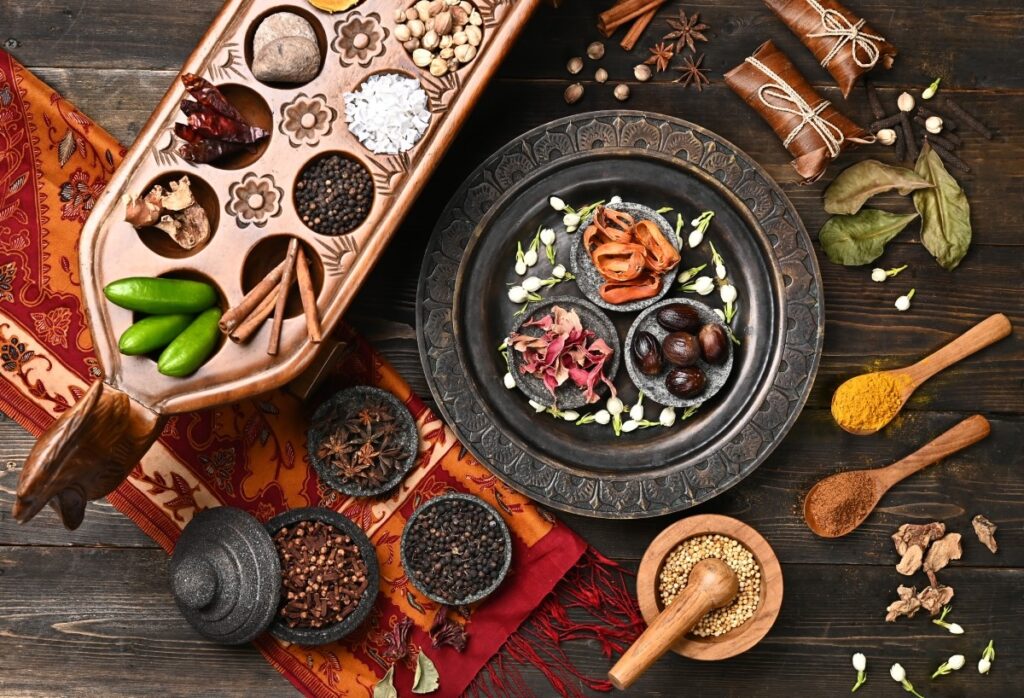
Indonesia has been spicing up the world for centuries. Cloves, nutmeg, mace, pepper and cassia cinnamon once travelled from the islands of the archipelago along ancient trade routes, transforming the way people cooked and ate far beyond our shores.
But spices are only the beginning. Indonesia’s greatest contribution to the global table is not simply more flavour, but more diversity—of crops, ingredients, diets, landscapes and food systems.
As the world searches for healthier diets, climate resilience and more regenerative ways of producing food, Indonesia’s extraordinary food biodiversity offers a largely untapped resource. Across our forests, farms, islands and villages are ingredients that can expand the global palate while diversifying what we grow, eat and value.
Beyond the Familiar
Indonesia is home to thousands of food plants and traditional varieties, yet only a fraction have entered mainstream markets. Some have been displaced by standardised crops; others remain regional because modern supply chains and consumer awareness have never developed around them.
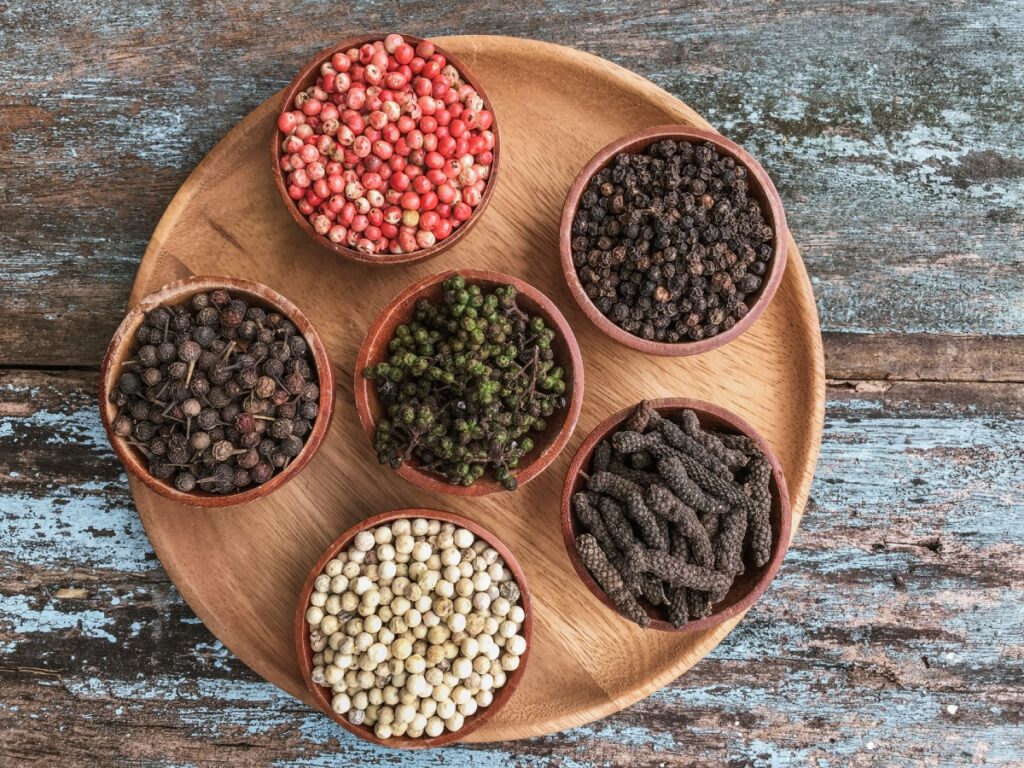
This is where forgotten biodiversity can become future food.
Take Andaliman, the distinctive pepper from North Sumatra with its citrusy, tingling character; long pepper and cubeb pepper, ancient spices with complex aromas that have largely disappeared from everyday cooking; or Bali sea salt, whose mineral character reflects its coastal landscape and traditional harvesting practices.
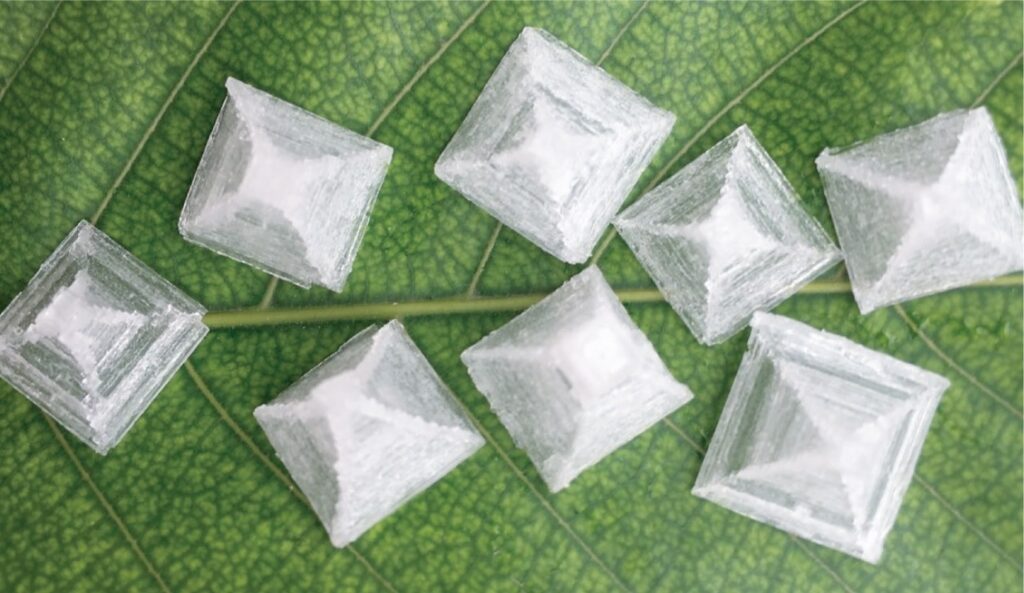
Indonesia’s contribution also comes from the sea—and from the forests. Archipelago salt, particularly the delicate sea salt from Pemuteran in Bali, carries the character of its coastal landscape. Naturally rich in minerals, it has a clean, delicate taste and forms into an extraordinary range of natural shapes—from pyramids and cubes to flakes, fleur de sel, coarse crystals and salt rocks. In Papua, communities have traditionally produced plant-based salt extracted from selected wild plants, revealing yet another way of creating salt from the natural environment. Each has its own character, texture and story—a reminder that even something as familiar as salt can express the extraordinary diversity of Indonesia’s landscapes and food knowledge.
These ingredients do more than give chefs new flavours. They introduce terroir—the idea that taste can carry the identity of a place. For a global food industry increasingly interested in provenance and authenticity, Indonesia has an extraordinary vocabulary waiting to be explored.
Beyond Wheat and Rice
Perhaps one of Indonesia’s most important contributions is the opportunity to diversify the global carbohydrate basket.
Indonesian communities have long eaten far more than rice and wheat. Sago, cassava, corn, sorghum, banana, breadfruit and other roots and fruits have sustained communities across different landscapes.
Today, some are being rediscovered as gluten-free ingredients and alternatives to conventional flour. Banana flour and breadfruit flour, for instance, open possibilities for baking and food production while bringing attention to crops long embedded in local food systems. Ube and other indigenous tubers similarly demonstrate the potential of roots and tubers beyond their traditional uses.
The opportunity is not simply to follow the gluten-free trend. It is to recognise that dietary diversity is itself an asset.
A healthier and more resilient food system cannot depend too heavily on a handful of crops. The more diverse our food basket, the better our potential to nourish people while adapting to changing climates.
Sweetness from Living Landscapes
Indonesia’s biodiversity also offers a different way to think about sweetness. Coconut sugar and arenga sugar are both traditional sweeteners, naturally low on the glycaemic index, and derived from perennial palms—but they come from very different landscapes.
Coconut palms thrive widely across Indonesia’s lowlands and coastal regions, while arenga (sugar palm) is a forest plant, traditionally growing within mixed landscapes and agroforestry systems. Both can provide food and income over many years without the annual replanting required by conventional crops.
Their appeal, however, is not only ecological. Coconut sugar brings a warm, caramel-like richness, while arenga sugar has its own deeper, distinctive character. Both demonstrate that healthier and more diverse choices need not mean compromising on taste.
This is where biodiversity meets the idea of a regenerative food system. Perennial crops can contribute to resilient landscapes while offering farmers enduring sources of food and income. When markets value not only the ingredient but also the ecosystems and knowledge behind it, biodiversity can become an economic asset rather than something to be replaced.
From Indonesian Fields to Global Tables
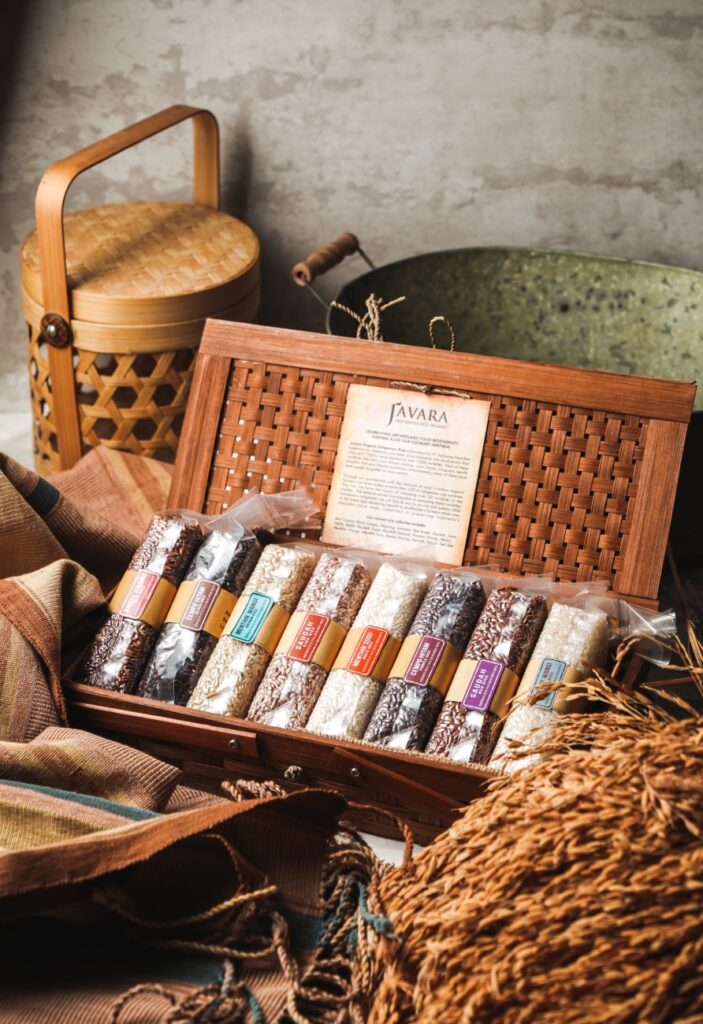
Over the years, my work with Javara has taken me into many of these landscapes, working with farmers, foragers and food artisans to bring overlooked ingredients into wider markets in Indonesia and abroad.
The lesson has been that bringing biodiversity to the global table is not simply about exporting a product. It requires understanding the ingredient, preserving its integrity, building reliable supply, and helping chefs and consumers appreciate why it is different.
Our journey with Indonesian heirloom rice to Italy since 2010 is one example. The Italian culinary industry loved the nuttiness of our red rice, and the earthy, smoky nature of our black rice, making for a unique risotto on local menus. Even across thousands of kilometres, our rice can find new appreciation in one of the world’s most sophisticated food cultures – not because it tries to replace something local, but because its own identity has value.
This is perhaps the real opportunity for Indonesia.
We should not ask only, What Indonesian products can the world buy?
We should ask, What can Indonesia contribute to the way the world eats?
The answer goes beyond palate. Indonesia can contribute flavours that expand culinary imagination; traditional ingredients that support healthier and more varied diets; and crops and food knowledge that can contribute to more diverse and resilient agricultural systems.
But the journey from local biodiversity to global market must not sever the connection to its origin. If an ingredient succeeds while the farmer remains vulnerable, or if increased demand damages the ecosystem that produced it, we have not created a truly sustainable food system.
The goal is different: markets that reward biodiversity, consumers who value provenance, chefs who celebrate ingredients in their own context, and communities that benefit from keeping their food traditions alive.
Indonesia has already changed the world through its spices. The next chapter can be much bigger. We can bring the world not only new flavours, but new possibilities for what a healthy, diverse and regenerative food system can look like.
The global table is hungry for discovery. Perhaps Indonesia’s greatest contribution is to remind us that the future of food may not lie in producing more of the same, but in valuing more of what we already have within our food biodiversity.
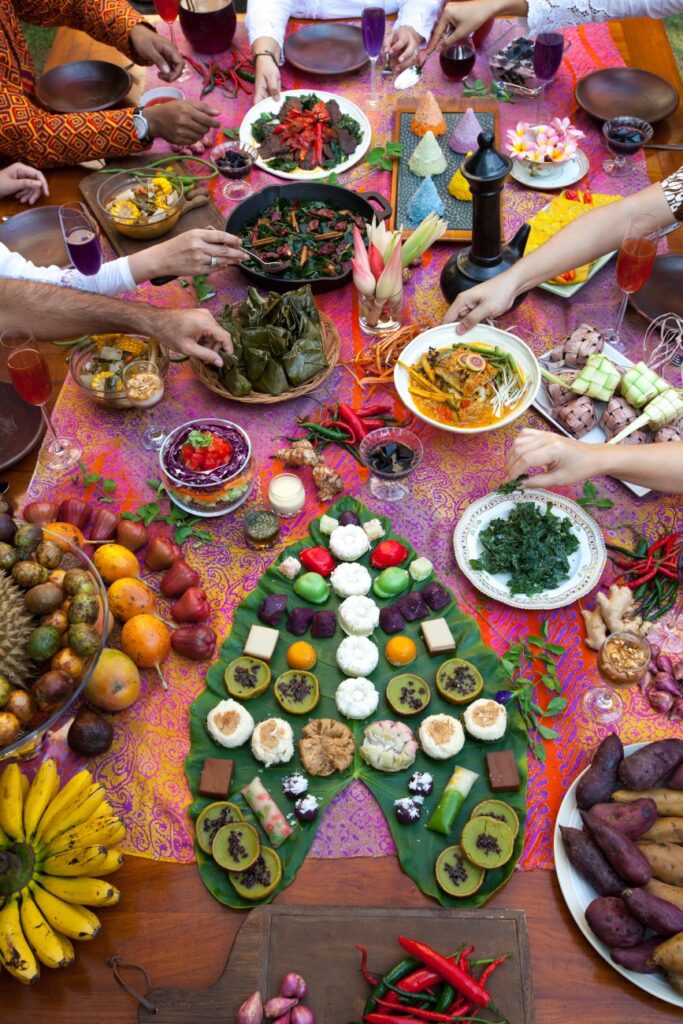
The opportunity for Indonesia is therefore much larger than simply exporting more food products. We can contribute new ingredients, new flavours and new possibilities for a healthier and more diverse global food system. The global table does not need another homogenised pantry. It needs greater diversity—of crops, landscapes, flavours and the people who cultivate them.