


This article is part of a long-form feature ‘Spaces to Sink Into’, on how design contributes to comfort and wellbeing, in our January-February 2026 Edition ‘Living Slow in a Fast City’. Download the edition free here.
Interior designer and multidiscplinary artist, Lianggono, has a unique approach to designing homes. He discourages clients from sharing their mood boards and Pinterest feeds with him, and instead prefers to ‘interrogate’ them. Where do they come from? What’s their day-to-day life like? Do they rush in the mornings, or take it slow and enjoy breakfast? Do you have family or friends over often?
“Why make a large kitchen if they don’t like cooking?” queries the artist-designer. “The habits of the residents should change the proportions and flow of the house. So, I get to know each person and think what is the story I want to tell through their home?”
Whilst the aesthetic nature of a home is important, that comes at a later stage. Lianggono starts by building spaces that functionally complement the resident’s habits and activities, creating a sense of harmony because the room matches their movements. These long discussions have been invaluable, Lianggono explains, because he finds that there’s often a mismatch between what people think they want and what they actually need.
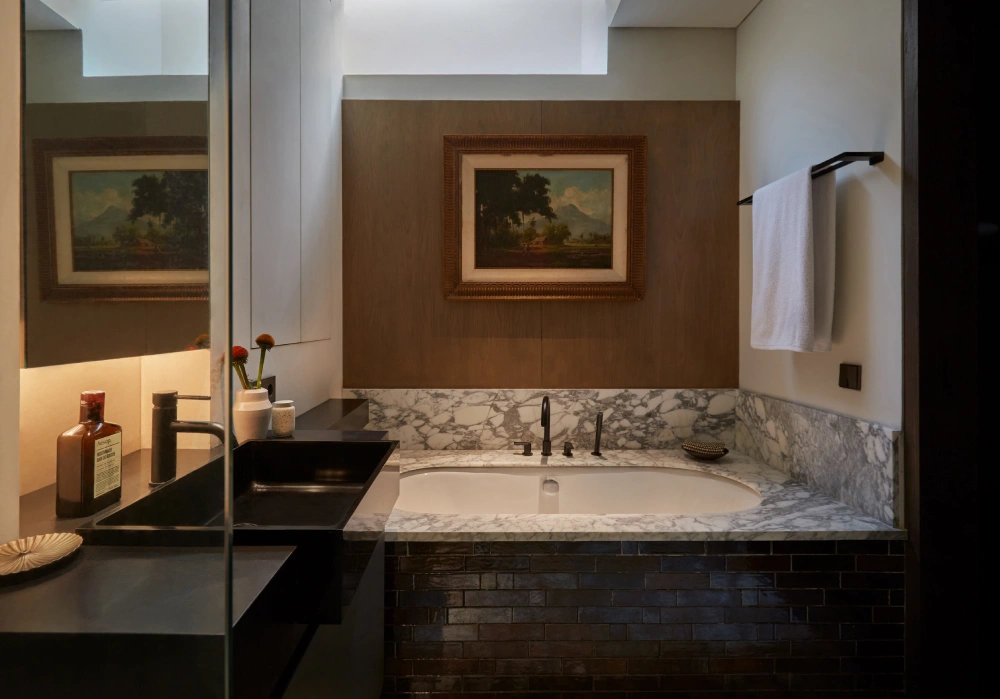
“A lot of people search for external inspiration first, searching online for trends. But rarely do they look at their own lives, the existing space, the available layout.” As a result, he continues, homes end up with a feeling of incongruity, an awkwardness that makes it difficult for both residents and guests to feel settled.
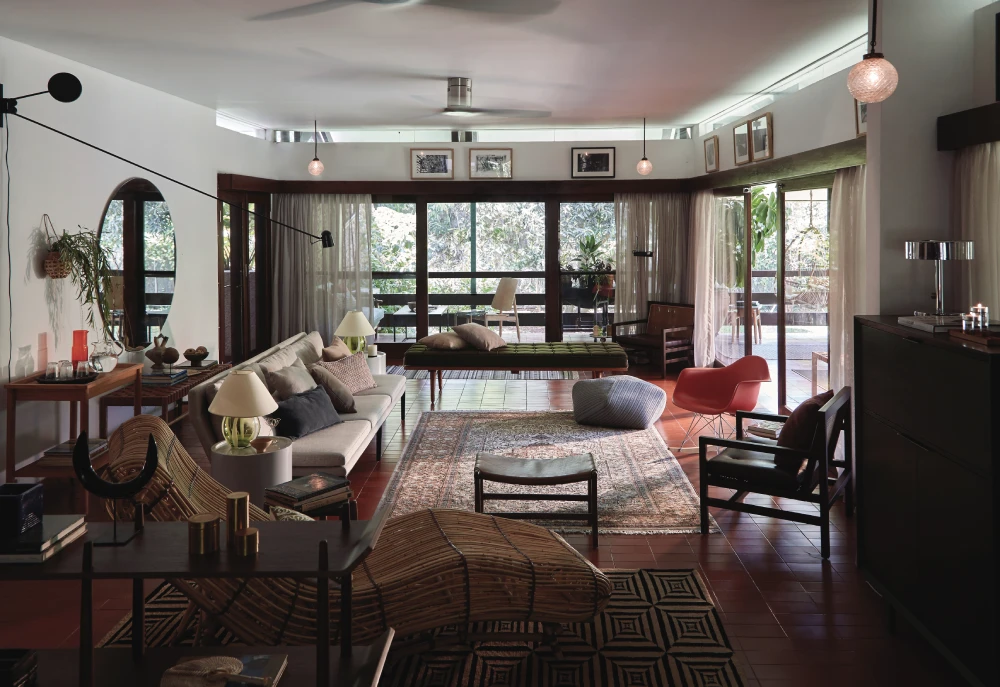
Cibeber House is a project that Lianggono believes really hit the mark, where he was able to integrate the couple’s Peranakan heritage, family traditions and everyday habits. Downstairs was focused on living and dining, where they could entertain family and friends for extended periods, with classic Peranakan design elements infused into a contemporary setting. Upstairs, the bedrooms and another living room were kept separate, creating a wholly private space.
“We can create comfort through familiarity as well – things we’ve seen, experienced or are used to,” adds Lianggono.
Of course, homes are deeply personal, but his team at Studio Lianggono also design the interiors for more public spaces, with major projects including a unit at Four Seasons Jakarta apartments to the third outlet of Nitro Coffee located in Sudirman. In these situations, individual stories aren’t applicable, and so Lianggono must find a design language that appeals to a more universal audience.
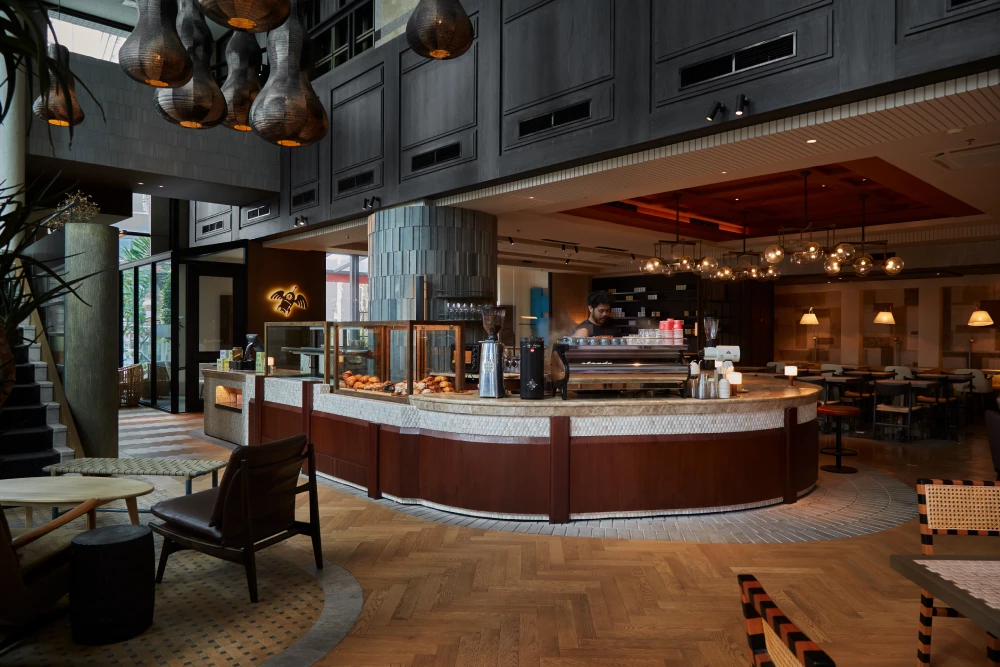
“Even when creating a space for everyone, there is a ‘benang merah’, or guiding thread, that makes a space universally appealing. It must feel intimate, have intricacies, and evoke the senses,” he explains. Intimacy is created by scale and proportion, and he says imperfections help as well: things that are too pristine can come across as intimidating, so there should be some (deliberate!) clumsiness in the room.
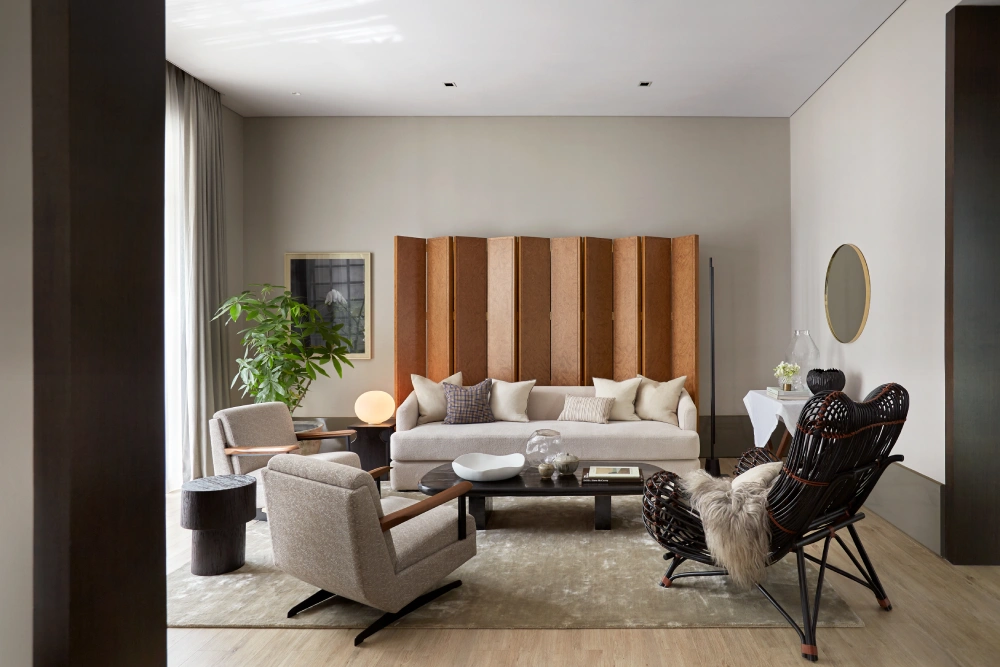
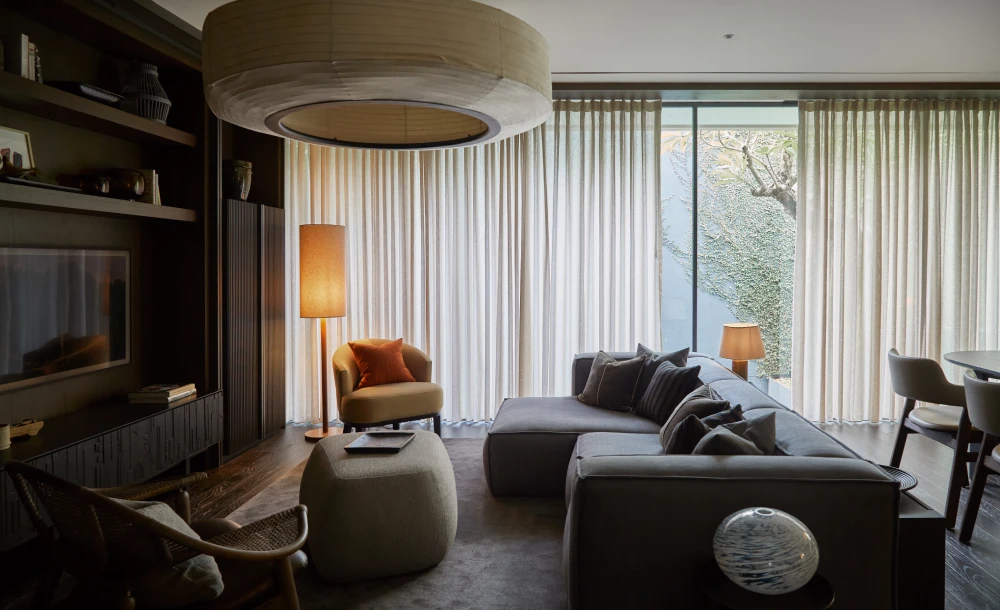
Intricacy is about detail, having contrasts, like a rattan handle on a cupboard door; and then the senses is about giving people things to notice, mohair velvet sofas that accentuate cosiness through touch, cow-patterned rugs that catches the eye, or adding a scent to permeate around a room. Together these make a space feel “lived in”, rather than bare and empty.
You Might Also Like: Designing for Literacy: SHAU’s Vision to Create 100 Microlibraries in Indonesia
Lianggono advises not to rely on generalisations and rules of thumb – everything must match, rules of three for accents, orange creates warmth, etc. – but rather to develop an ‘eye’ for things around us that work. He credits his own taste in doing that for many years, starting first as an Editor for Elle Decoration, then a stylist for prominent Indonesian architects, before starting his own studio. The documentary ‘The Eye Has to Travel’ following Vogue Editor Diana Freeland was a major influence on how to ‘see’ things differently as well.

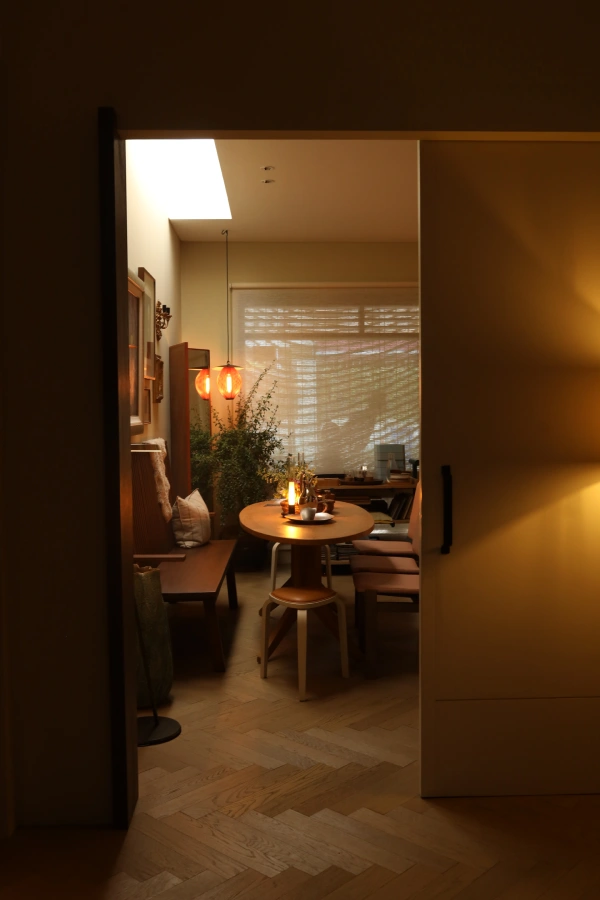
‘Inside the Studio’
“Change your expectations,” says Lianggono. “Think of the design as a spectrum. It might not be whether the colour works, but how intense that colour should be.” Ultimately, he says, even public spaces affect individuals differently, so if we want to create a place that feels harmonious and comfortable, we have to develop an awareness of what we find appealing, and understand the movements, functions and intricacies of our own lives first.
@studiolianggono | studiolianggono.com