


The design houses and material labs transforming waste for high-end living
For the longest time in the furniture industry, the rarity of a material determined its value. From treasured hardwoods to full-grain leather and specialty metals, these highly-valued and often harder-to-acquire materials promised elegance, integrity and timelessness of the final form. However, the tide is turning, and a new luxury has emerged, one where sustainability plays an increasing role in determining the value of a piece.
In recent years, a select number of Indonesian designers, scientists and even environmentalists have pioneered a major shift in what the design industry considers a valuable material. Waste has become not only their resource, but a source of inspiration. Through innovative technologies and upcycling design, these organisations have managed to reimagine discarded waste materials into pieces that rival traditional materiality – and in some cases, achieving status of objects of art.
From Bali to Bandung, these design houses imagine a future where, by creating beautiful spaces, we are able to reduce our impact on the planet, and even contribute to its regeneration.
Browse Design Labs:
Sungai Design | ChopValue | Parongpong Raw Lab | Kayu Lama
Sungai Design
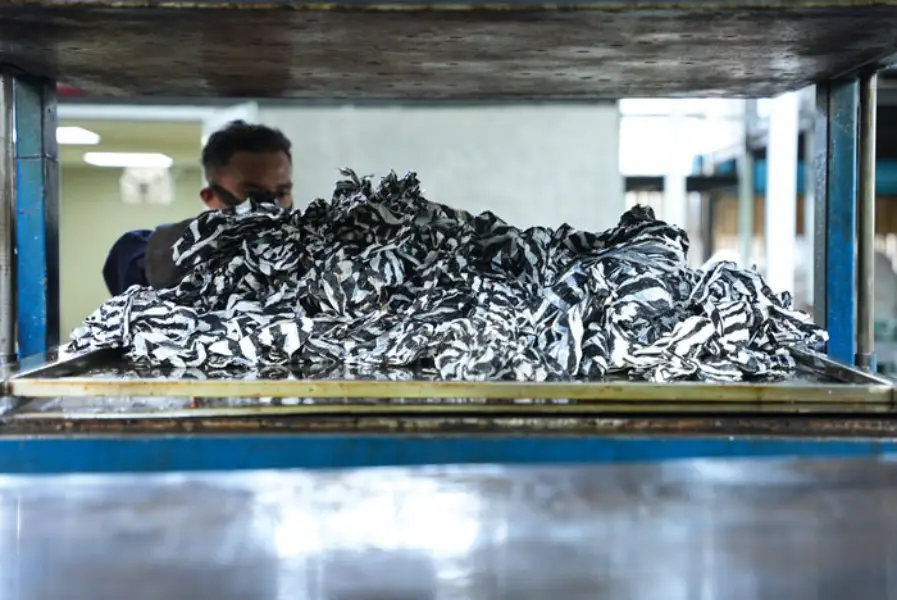
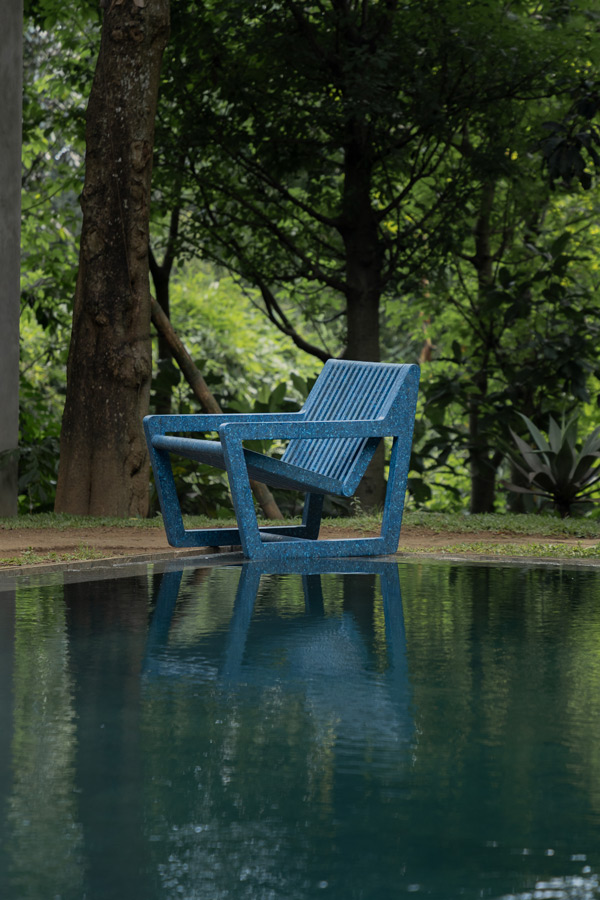
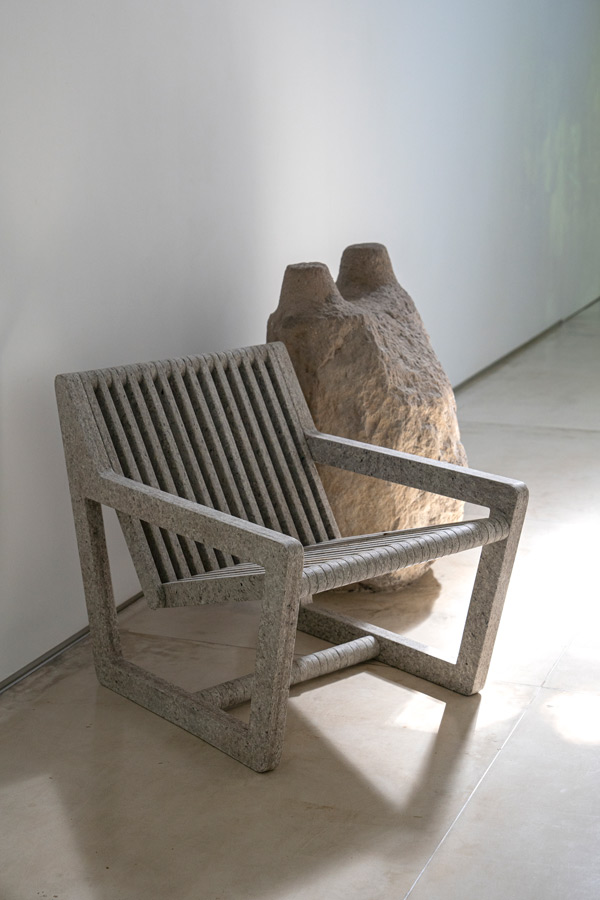
Whilst most design studios begin with materials people desire, Sungai Design began theirs with materials people were trying to get rid of. For founders Kelly, Gary and Sam Bencheghib, the idea emerged from years spent tackling plastic pollution through Sungai Watch, an environmental organisation based out of Bali focused on removing captured waste from rivers, before it reaches the ocean. Hauling up to six to eight tons of waste on a daily basis, the ultimate question became: what to do with all the trash collected?
That question eventually led to the creation of Sungai Design. Plastic has always been Sungai Watch’s main concern, taking anywhere between 20 to 1000 years to degrade. But that very same durability can also be considered an asset. After experimenting with available technologies, Sungai Design settled on a process to upcycle their collected plastic. Once recovered, cleaned and processed, the “raw material,” is heat-pressed into ‘fresh’ plastic sheets, from which Sungai Design can develop into brand new creations. What was once destined for the ocean, now finds a place in homes, hotels and public spaces.
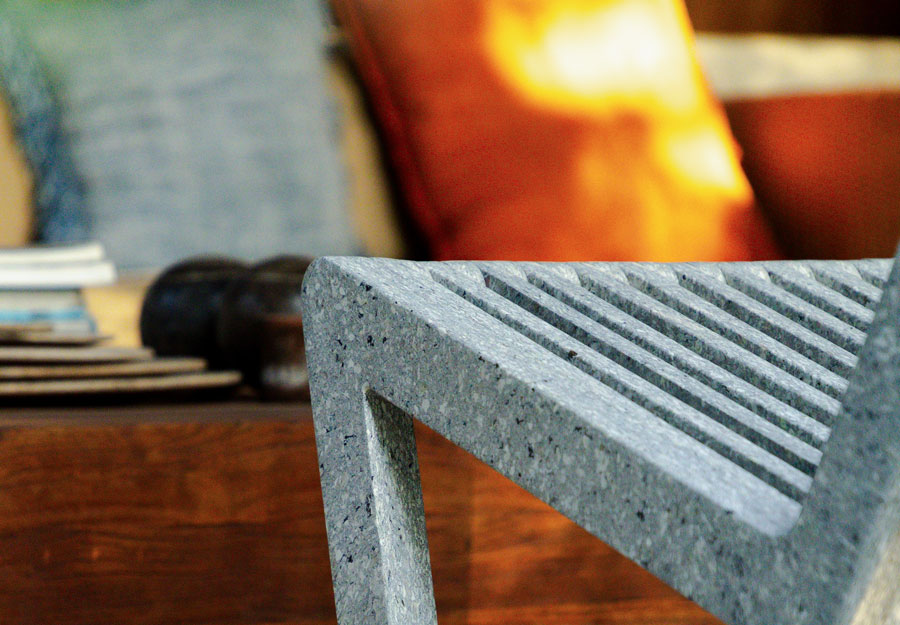
The studio’s most recognisable piece is the Ombak Chair, a sculptural lounge chair made from approximately 2,000 plastic bags (30kg) collected from Indonesian waterways. Its distinctive marbled surface has become a signature of Sungai Design’s style, revealing the material’s origins rather than hiding them – highlighting plastics’ true value as a durable material, and not as a single-use disposable. The collection has since expanded to include the Muara Stool and Muara Bench, while the UMA Chair explores a combination of recycled river plastic and wood, developed in collaboration with GoodWood Home.
The same material is used for smaller homeware pieces to: trays, coasters, tissue boxes and incense holders bring the material into everyday settings, demonstrating how this upcycled plastic is both functional and visually stunning.
ChopValue
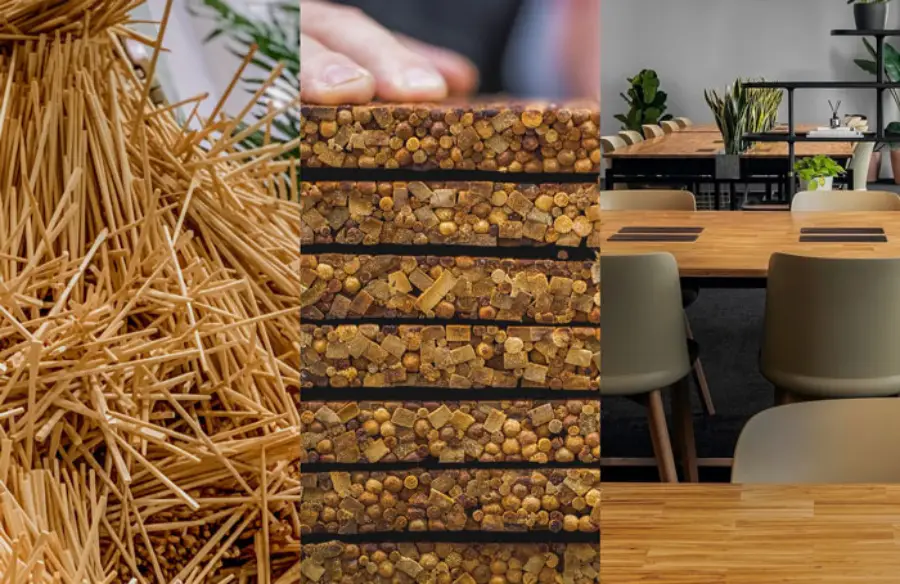
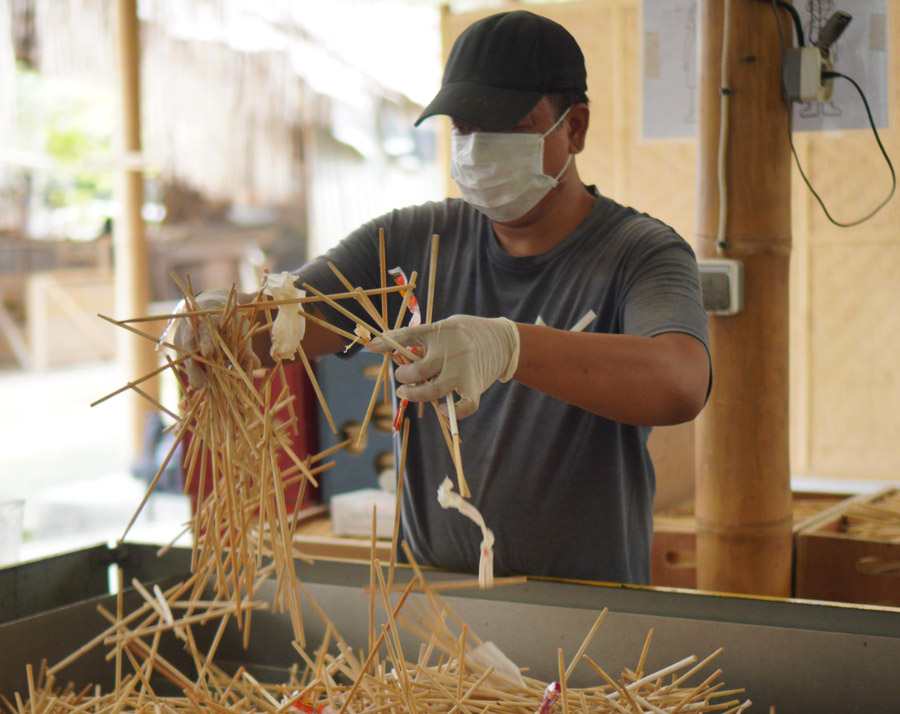
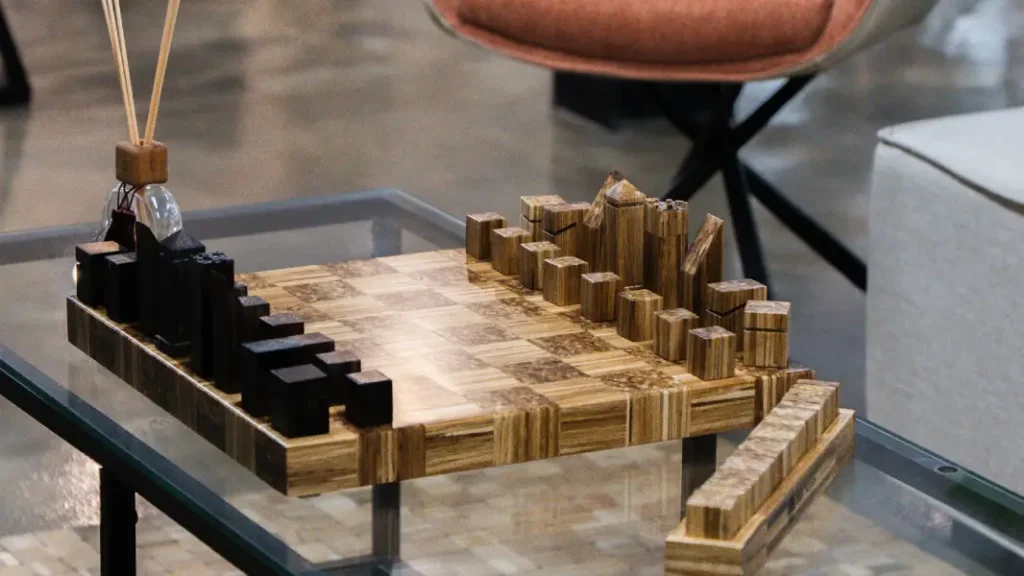
Consider how many chopsticks you have used over a lifetime, and how quickly we dispose of them without a second thought. Luckily, someone saw the hidden potential of these humble wood and bamboo utensils, looking to redefine this waste into resource.
That someone was Felix Böck, a German timber and bamboo engineer based out of Canada, who founded ChopeValue in Canada back in 2016. Through ‘urban harvesting’ – i.e. collecting chopsticks from café, restaurants, hotels, etc – the materials would be processed then upcycled into sustainable home decor, furniture, and zero-waste custom solutions.
But the founder envisioned a circular model that extended globally, opening up a network of ‘microfactories’ across the world – including the one in Bali, built by Orin Hardy. Here, thousands of sanitised chopsticks are engineered through a process called densified composite manufacturing, using high heat, pressure, and water-based, toxin-free resins to bond the fibers together. The result is a carbon-negative material that actually stores more CO2 than it emits, making it a win for the climate too.
Through this repurposing process, and ‘strength in numbers’, the new chopstick-based material is harder than maple, stronger than oak, and as durable as teak. No more unpredictable cracks, knots or structural inconsistencies found in raw timber. From there, local craftsmanship takes over, shaping this renewed material into truly premium designs for homes, offices and hospitality. Restaurant tables to office desks, coasters to wine bottle holders – everything wood can do, upcycled chopsticks can too, no forest required!
With Indonesia facing a waste emergency, ChopValue reframes this ‘problem; as a potential treasure trove of materials. To date ChopValue globally has rescued 100 million chopsticks from being discarded, and in Indonesia, 25 Microfactories are envisioned for the archipelago.
@chopvalue_bali
chopvalueindonesia.com
Parongpong RAW Lab
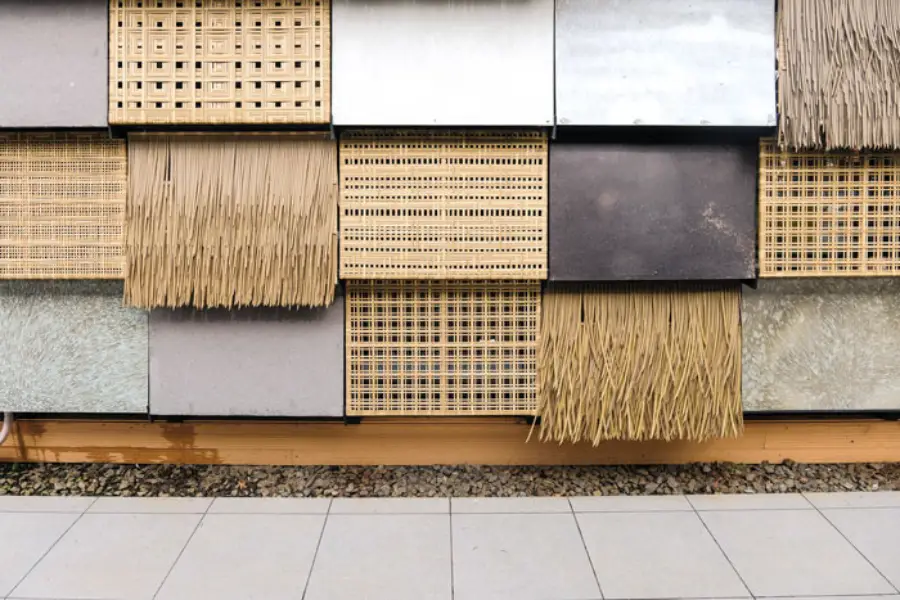
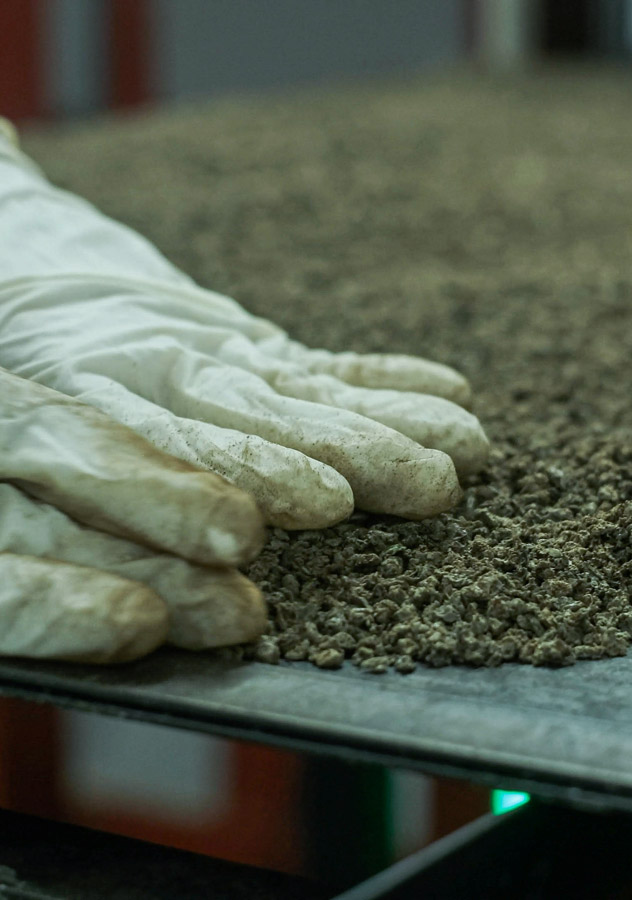
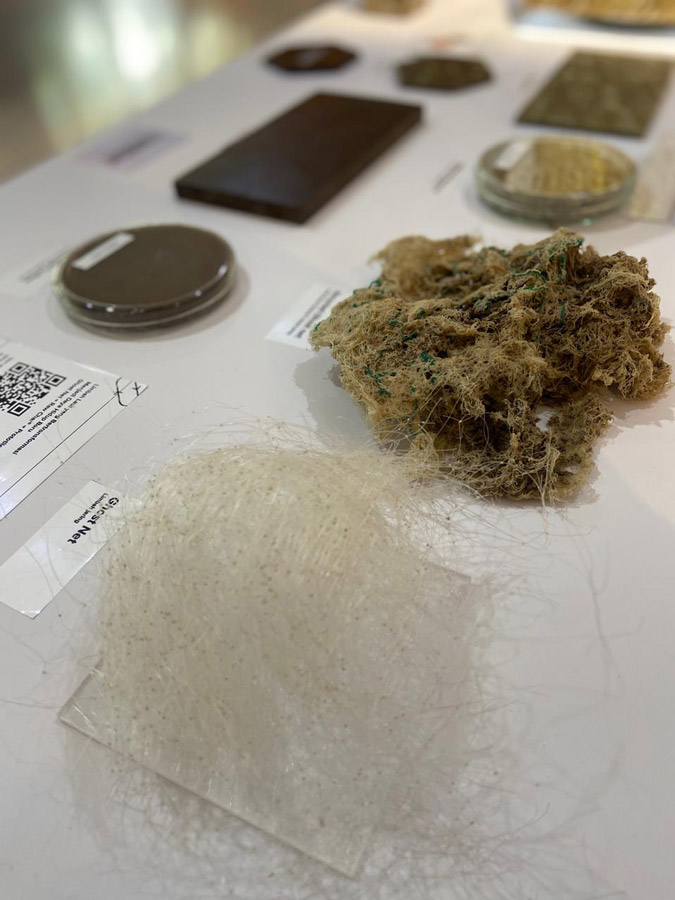
In a workshop in Bandung, Parongpong RAW Lab works with old fishing nets, used coffee grounds, and discarded plastic. Founded by Rendy Aditya Wachid in 2017, the research-based company is driven by the belief that overlooked waste can become valuable materials. From that starting point, RAW Lab transforms those waste into a range of products, from furniture and architectural surfaces to homeware and accessories for cafés and commercial spaces.
The foundation of their process is Prototech®, a proprietary system for handling mixed waste streams including ghost fishing nets, post-consumer plastics, and construction leftovers. One of their most recognisable material lines is Jala!, fashioned out of discarded fishing nets — a particularly challenging material known for its ecological damage when left uncollected at sea. The nets are processed into wall panels, ceilings and interior surfaces, with the net structure still visible in the final material. In some hospitality projects, it also appears in smaller functional pieces like cutlery holders and interior details, including installations at Pizza 4P’s Indonesia.
Then there is Prototiles®, which turns a broader mix of waste into architectural tiles used in real built environments. At ARCH:ID, Prototiles were applied across a full-scale pavilion, forming continuous wall and surface installations. In other projects, they take form as cladding, tabletops, and seating finishes. Alongside this, ORIPLAS® works as a recycled plastic alternative to timber, used for planks in furniture and construction settings.
RAW Lab is a part of wider effort needed to address Indonesia’s waste challenge, as Rendy often notes. Even so, the studio’s work has already moved beyond its own workshop. Over the years, RAW Lab has collaborated with architects, universities, cafés, and companies to bring reclaimed materials into real projects and everyday spaces. Extending this work, Parongpong RAW Lab is developing SISA, a platform that connects waste sources, material production, and project demand so the flow of materials can move more directly between collection and real-world application.
Kayu Lama
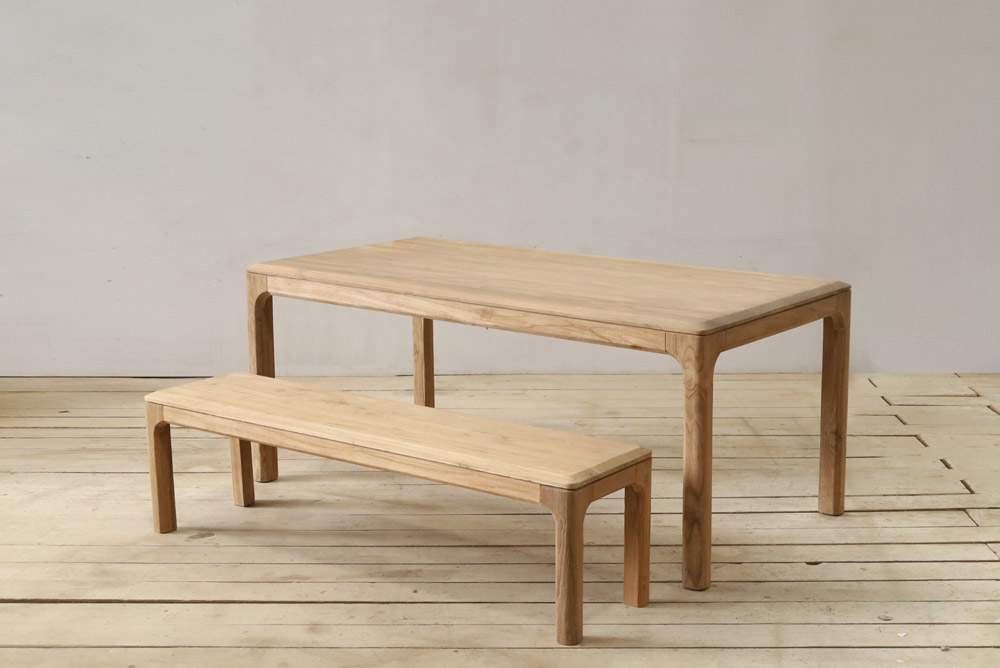
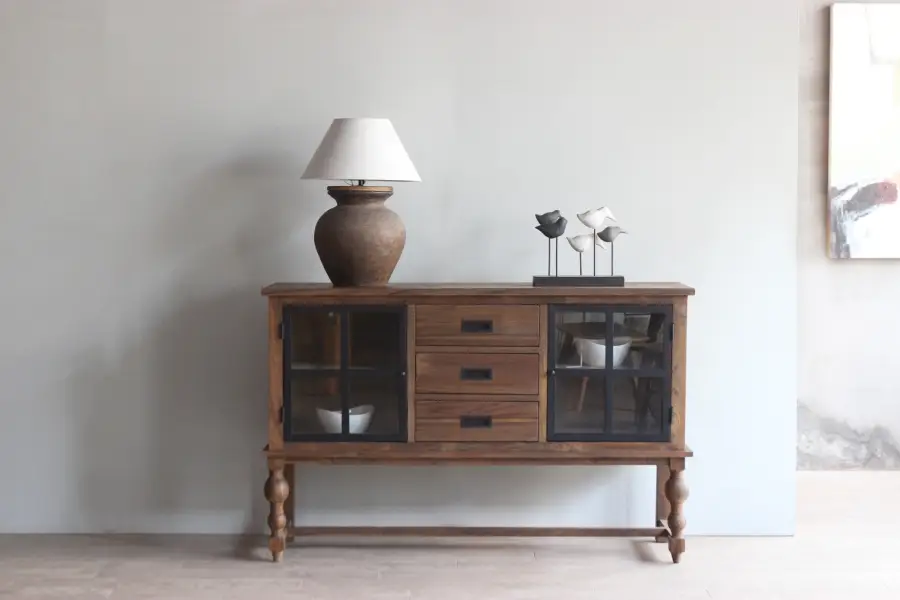
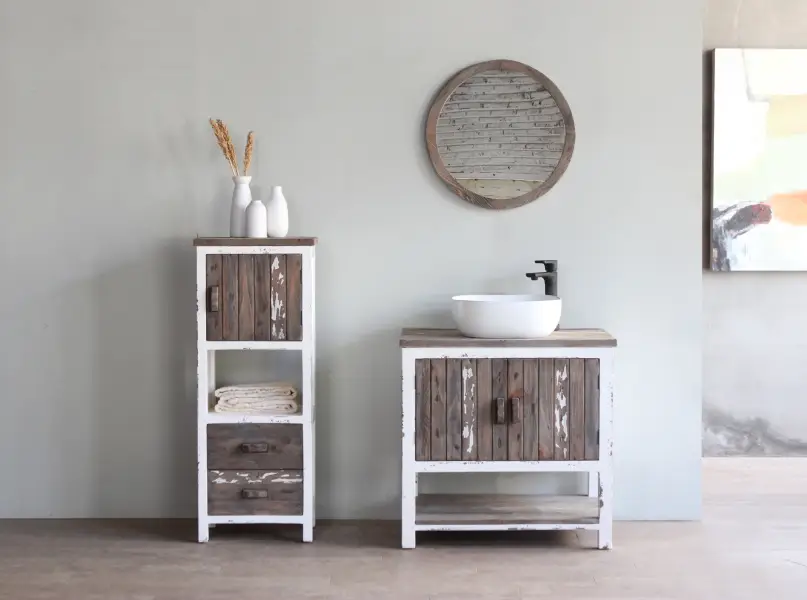
There is a special feeling when touching wood that already lived a full life. While new timber often looks plain and uniform, reclaimed Indonesian teak and pine carry unique characters, showing off natural cracks, weather lines, and marks from their past. This beauty in imperfection is exactly what inspired two childhood friends, Irwan Malik and Triyoga Nugraha, to start KAYULAMA, translating to “old wood”, over two decades ago.
After years of focusing on the international market, the team brought all that experience back home to Indonesia through KAYULAMA Home. That global background shows in their signature refined-rustic finish, which makes reclaimed timber feel right at home in sophisticated interiors. Both their indoor and outdoor collections keep things clean and minimal.
The studio isn’t stopping at furniture, either. KAYULAMA Home is now scaling this idea into full residential projects rooted in the art of upcycling. They create high-end spaces that bypass traditional construction methods and breathe new life into salvaged materials right here in Indonesia.
Though everything is crafted in Jepara, there is a reason the results are popping up in every sun-drenched corner of Bali. Hospitality designers are falling in love with the look, choosing authentic materials to give resorts and cafes its own personality and charm. From boutique hotel lobbies to neighborhood spots, these spaces feel instantly welcoming and full of life, proving that a home or a business can look incredible whilst supporting a sustainable mission.
You May Also Like: Indonesia’s Architecture Evolution | What Makes A Design ‘Indonesian’ Today?