



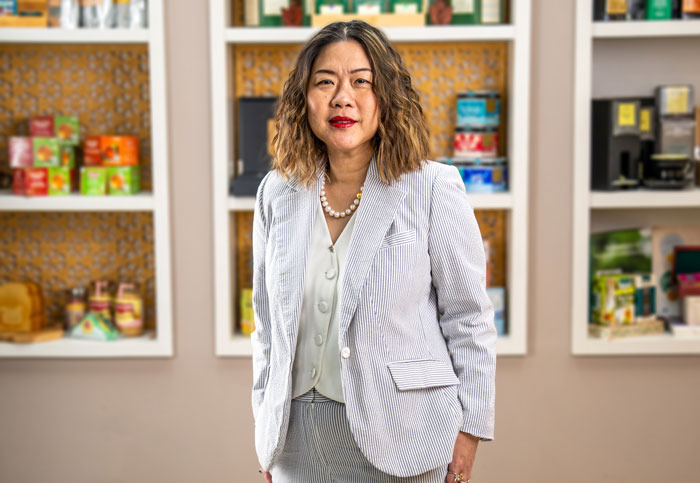
Tea is far more than a comforting beverage. Each cup holds within it a story of craftsmanship, culture and connection. Few understand this better than Eliawati Erly, Vice President of PT David Roy Indonesia, the official distributor of Dilmah Tea in Indonesia. Recognised for her dedication to tea appreciation, tea gastronomy and tea education, she has spent years introducing the heritage and artistry of premium Ceylon tea to audiences across Indonesia.
What began as a professional responsibility soon evolved into a lifelong passion. Determined to understand tea from the ground up, Eliawati Erly immersed herself in every aspect of the craft—from cultivation and production to brewing techniques, flavour profiles and the traditions that surround it. Today, she is recognised as one of Indonesia’s leading advocates for premium tea, championing it not merely as a drink but as a cultural experience and a way of life.
She believes tea encourages people to pause and take a step back, be present and create meaningful moments. Beyond the teacup, she also champions its versatility in contemporary gastronomy, demonstrating how tea can elevate culinary creations and inspire innovative pairings in mixology and cocktails.
Before joining PT David Roy Indonesia, Erly built a distinguished career in the hospitality and tourism industry. A graduate of the Bandung Institute of Tourism (formerly the National Hotel Institute, NHI), she brings a service-oriented perspective to tea, combining hospitality with storytelling to create memorable experiences that invite people to appreciate tea in new and unexpected ways.
“Tea is unique and fascinating because every variety has its own character,” Erly beings, enthusiastically. “There are several types of true tea, including black, green, oolong and white tea, each distinguished by how they are processed. Herbal infusions, or tisanes, are technically not tea because they are from roots, leaves, flowers with no tea included in the process.”
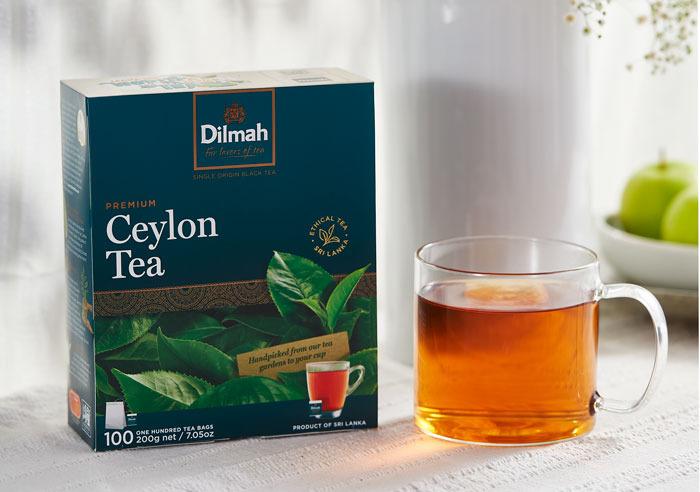
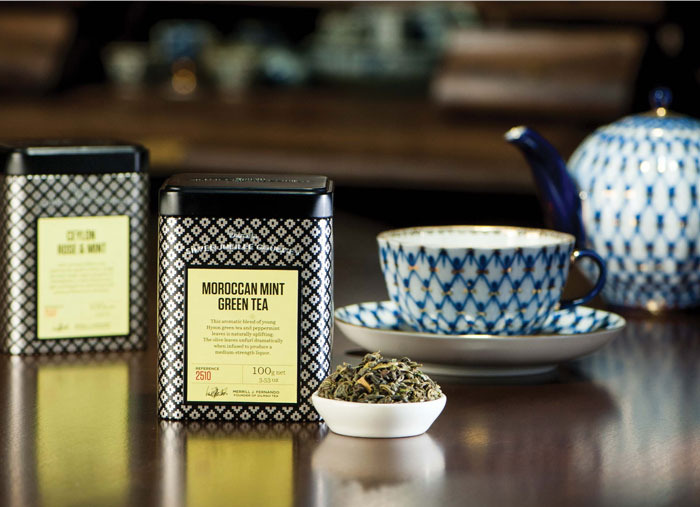
In this conversation with NOW! Jakarta, Erly imparts her knowledge on the evolution of tea culture in Indonesia, but also enlightens on the best methods of preparing the perfect cup.
The key to a perfect cup of tea begins with the quality of the water. Ideally, tea should be brewed using water with a Total Dissolved Solids (TDS) level of around 140 ppm, providing the ideal balance for extracting flavour without overpowering the tea’s natural character. Fully oxidised black tea is best brewed with water at 100°C, while semi-oxidised teas require a slightly lower temperature of around 90°C. Green and white teas are more delicate, so they should be brewed at around 70–80°C.”
Why does it matter? According to Erly, the answer lies in preserving the tea’s true character. “If you brew green tea with boiling water, you’ll scorch the leaves and lose their delicate flavours. Understanding the right temperature and brewing time allows you to enjoy tea as it was intended.”
Patience, she adds, is equally important. “Tea should be brewed for at least three minutes. Research by Dr Tissa Amarakoon of the Tea Research Institute of Sri Lanka has shown that after around three minutes, approximately 90 per cent of tea’s beneficial polyphenols—natural antioxidants—have been released into the infusion. That’s when you begin to experience both its flavour and its health benefits.”
She believes that regular tea drinking, enjoyed as part of a balanced lifestyle, offers far more than refreshment. Rich in natural antioxidants, tea helps protect the body against free radicals – but beyond those more physiological benefits, tea drinking has an undeniably relaxing quality. While coffee fuels our energy and drives us forward, a cup of tea offers something different—it invites us to pause, reset, and reconnect with the present moment. In that quiet pause, we regain clarity, restore our focus, and return refreshed, ready to embrace whatever comes next. Just the thought of enjoying a sip of tea prompts a deep breath in… These qualities, Erly believes, are what have made tea drinking an enduring ritual across cultures and generations.
Trained at the Dilmah School of Tea in Sri Lanka, where she deepened her understanding of tea cultivation, craftsmanship and appreciation, Erly’s role now involves bringing what she’s learned to the industry and consumers in Indonesia – even hosting Indonesian hospitality professionals and partners in a journey of tea discoveries first-hand in Sri Lanka. Importantly, Erly mentions that Dilmah is a single origin tea purchased directly from farmers, not through middlemen.
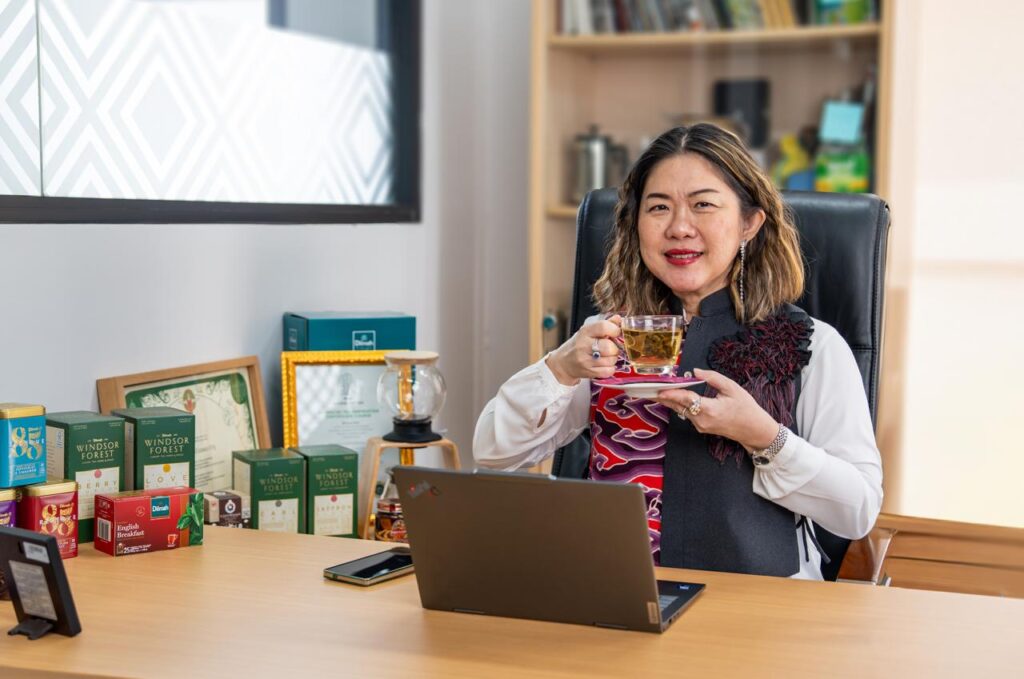
Despite not having a culinary background, with her understanding of tea’s flavours, food pairing and sensory evaluation, Erly has worked to developed innovative applications for the drink in new gastronomic experiences, from tea-infused cuisine to creative mixology.
“Dilmah introduced our tea mocktail and cocktail series in 2005, long before tea-based beverages became a growing trend. Since then, we have continued to explore tea’s culinary potential through mixology competitions, tea and food pairing experiences, and the development of innovative recipes. We also work closely with hotels, restaurants and cafés to demonstrate how premium Dillmah tea can be enjoyed in creative and contemporary ways.”
Passionate about making tea accessible and engaging, Erly organizes workshops, tea appreciation sessions and interactive events, looking to expand people’s perspectives on the culture and traditions behind team, both the historical and contemporary. Her goal is not simply to educate, but really to inspire people to experience tea in a deeper, more meaningful way.
This philosophy continues to shape PT David Roy Indonesia’s initiatives to elevate tea culture in Indonesia. Among its most recent events is the Real High Tea Challenge, held in Jakarta, which invited some of the country’s leading hotels to challenge a bartender and a chef to collaborate and create pairing tea with food as ingredients through their creativity, innovation and culinary experiments in a modern way. Reimagine the traditional afternoon tea experience through creativity, innovation and culinary excellence. The winning team represented Indonesia at the Global International Real High Tea Challenge in Colombo last 2015.
As more people discover the richness of authentic Ceylon tea, Erly hopes tea will continue to be respected and appreciated not only for its flavour, but also for the moments of connection and wellbeing it creates.
drindonesia.com