


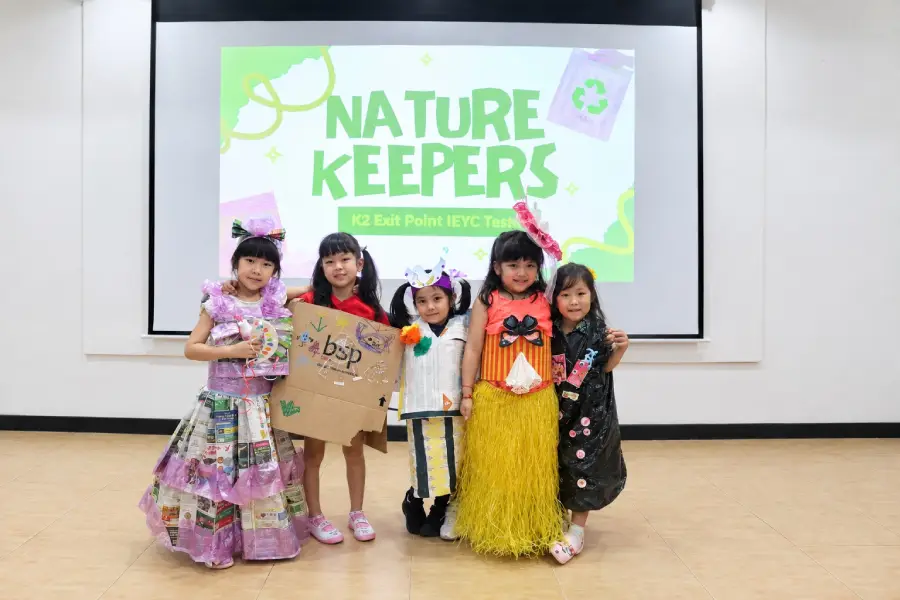
How SIS South Jakarta gives young learners the confidence to explore, connect and grow.
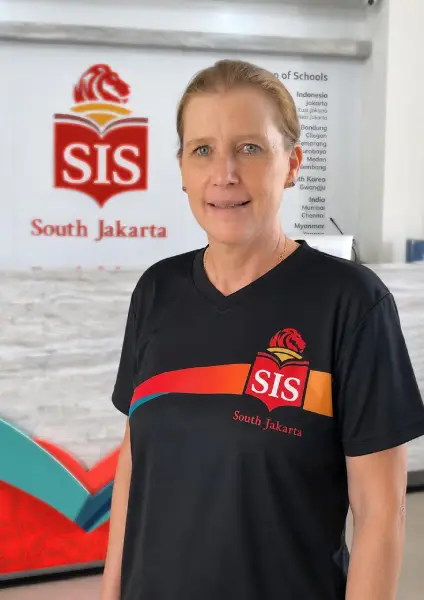
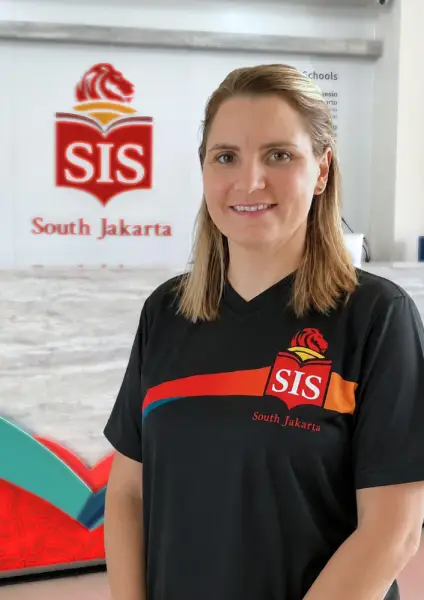
Early years education is about more than getting children ready for school. To learn more about this crucial learning stage, NOW! Jakarta spoke with Singapore Intercultural School (SIS) South Jakarta’s Head of Preschool, Nicola Krause (NK), and Deputy Head of School Shannon Lee De Vries (SDV) about SIS’s International Early Years Curriculum and how it encourages children to navigate new experiences and discover joy in learning.
A common misconception is that preschool is less important than the later stages of school. Why is preschool such an important foundation for a child’s development and education?
NK: We get that question a lot, especially from parents wanting to put their children in Nursery 1 and Nursery 2. I think students coming to school at a young age, most importantly, helps develop their social and emotional skills. Learning how to share, communicate with peers, take turns and become independent—like putting their shoes on, eating and going to the toilet—are all very important skills.
How do the children in these age groups learn, and what approaches to teaching are most effective for them?
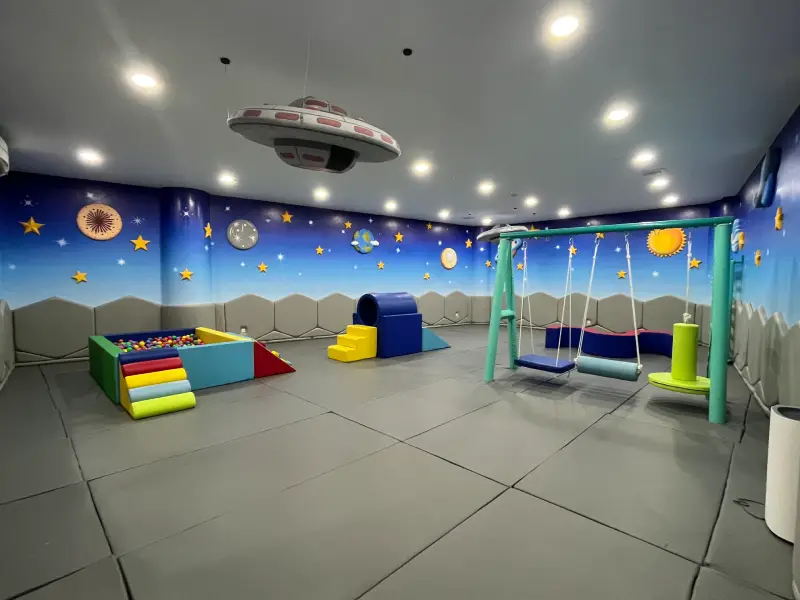
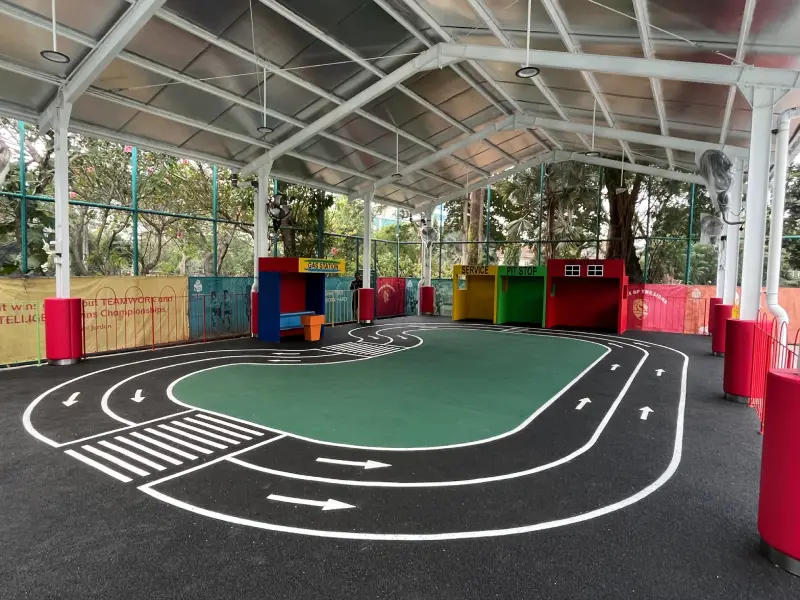
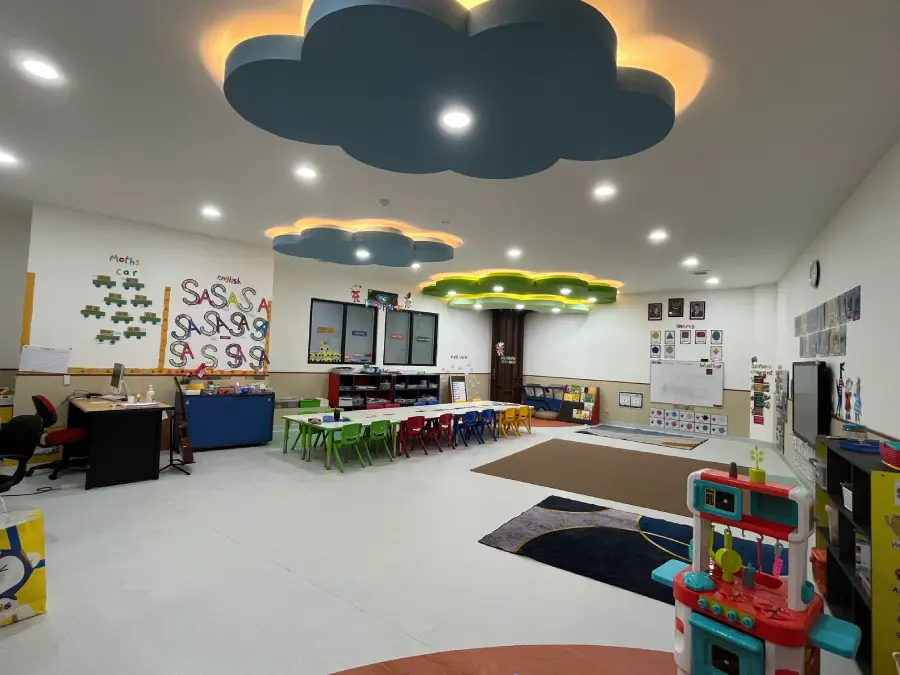
NK: Young children learn best when they are actively involved in their learning. They need opportunities to touch, explore, move, experiment, talk, play, question and discover rather than spending long periods simply listening to an adult. At SIS, we provide learning experiences that combine purposeful play with intentional teaching. Children might learn mathematical concepts while building, develop vocabulary through stories and role play, or explore science through investigations.
What essential skills does SIS aim to foster in young learners before they move on to the next stage of school?
NK: Academic readiness is important, but our goal is broader than simply ensuring that children can read, write or count before entering the next stage of school. We hope they leave preschool able to communicate their ideas, listen to others, ask questions, make choices, solve simple problems, work cooperatively and persevere when something is challenging. Ultimately, we want them to enter Primary School feeling excited about what they can learn rather than afraid of making mistakes.
How does SIS make learning fun for children while still ensuring they develop their essential milestones?
NK: For young children, enjoyment and learning should not be seen as separate things. When children are interested and emotionally engaged, they are often learning at their best. Through our inquiry-based approach and the International Early Years Curriculum, children are encouraged to explore meaningful themes and make connections between different areas of learning.
Children develop and learn at different paces. How does SIS accommodate these individual differences in the classroom?
NK: I agree, children do learn at a different pace, and I think that is hard for all schools because parents compare not only their own children, but their children to other students in the class. One of the most important principles of early childhood education is recognising that development is not identical for every child. This is particularly important in an international school, where children may also enter the classroom with very different levels of English. Teachers observe children carefully and adapt activities, resources and levels of support according to individual needs.
Progression and future readiness are key foundations of education at SIS. How do these fit into each student’s wider learning journey?
SDV: When we are talking about progression into the next phase, we are not simply looking at a process, but actually preparing students for the next phase. It looks different for different ages. We look at communication as a vital part of transitioning students to the next phase and supporting them. As students progress, we add more responsibility and academic rigour, depending on their age and what they are ready for.
Alongside academics, SIS also emphasises a continuum of care. Can you explain what this means at SIS and how it changes as students mature?
SDV: At SIS, care is a very important part of who we are, and it does not reduce as students get older: it changes form. Younger children naturally need more direct guidance with routines, relationships, emotions and learning. As students mature, we gradually shift from doing things for them towards coaching them to manage challenges, make decisions, communicate their needs and take responsibility for themselves.
How does your approach to care differ when you have such a diverse student community?
SDV: When we have such a diverse student body, I think care is even more important because we welcome students throughout the academic year from different backgrounds and with different levels of English ability. Having teachers who represent the diverse community is so important because students feel seen and known by seeing teachers who come from the same backgrounds and understand their struggles. It could be the English language or transitioning to a new country.
Learn more about SIS South Jakarta’s early years programme at sisschools.org/sis-southjakarta/
SIS South Jakarta
Jl. Bona Vista Raya
@sis_southjakarta