


From first lessons to graduation, ACG School Jakarta immerses students in experiences that connect learning with life.
Education at ACG School Jakarta unfolds as a journey that extends far beyond the classroom. Information may be everywhere, but how students are able to use this information is what defines their growth. This belief is what shapes the school’s education philosophy, one centred on experiential and residential learning.
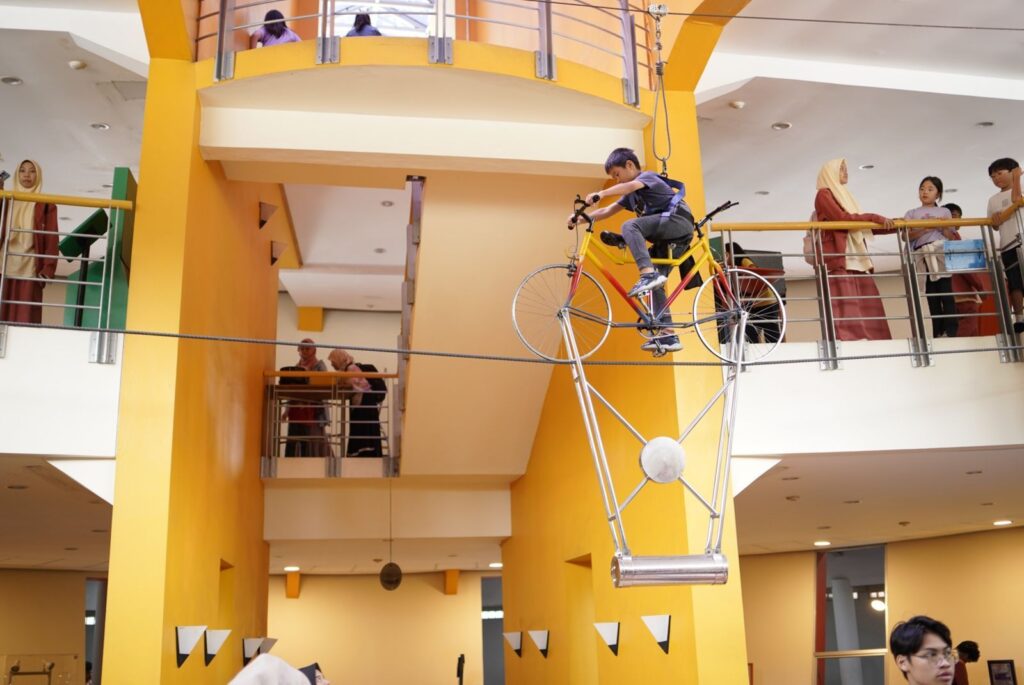
Examples of this are seen from the early stages of education, where within the IB Primary Years framework, curiosity guides the student journey. A lesson on communities might take children to a local market, where they observe how people interact and organise daily life. Such experiences are about turning abstract ideas into something tangible, to show how learning is woven into everyday environments
As students move into Cambridge Lower Secondary, the emphasis shifts toward analysis and investigation. Fieldwork sharpens observation and evidence-gathering, encouraging learners to ask questions and draw conclusions. A geography project might involve mapping a neighbourhood, noting environmental features, and considering how human activity shapes the landscape. These tasks demand keen observation and reflection, laying the foundation for an inquisitive mind, able to dive deeper.
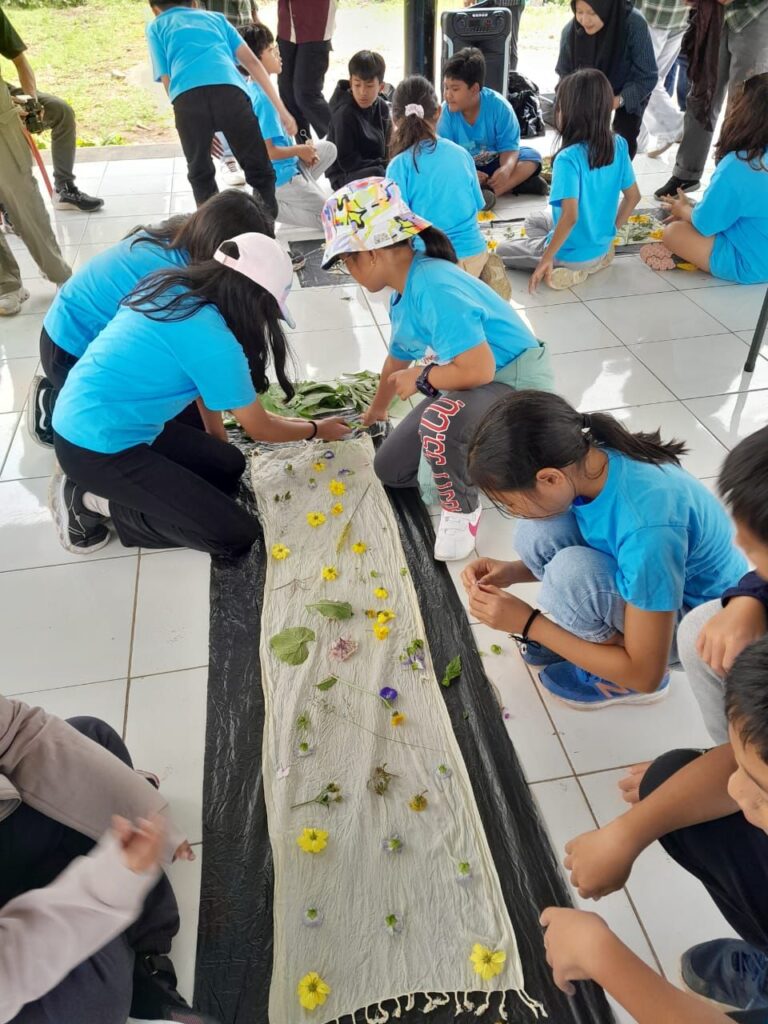
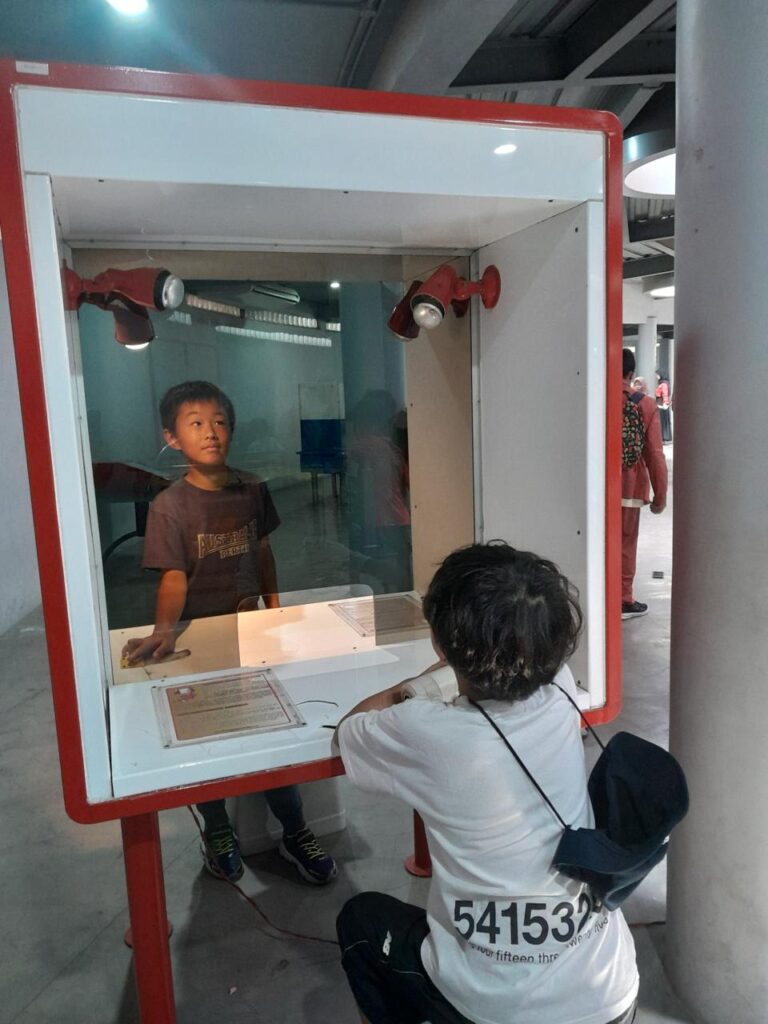
By the time students reach the IB Diploma Programme, experiential learning is embedded in research and reflection. They are expected to engage with complex issues, test ideas against reality, and refine their thinking through direct interaction with the world. A sustainability project might involve interviewing local organisations, analysing environmental data, and presenting findings that connect theory with practise. Critical thinking must be applied in the real world, in real life scenarios.
This is certainly the case in scientific studies, where students begin their investigations by gathering primary data, testing water quality, recording biodiversity, and then analysing outcomes. Along the way, they might confront unknown variables that challenges their way methods and assumptions, forcing them to find new solutions. It is these moments that build their resilience and adaptation, teaching them to think deeper or outside of the box.
Exploring the arts and humanities opens pathways into creativity shaped by place and context. Time spent in galleries, architectural landmarks, and cultural sites becomes a dialogue with ideas made visible. These encounters nurture cultural sensitivity, aesthetic awareness and analytical depth. Inspiration often flows into portfolios, extended projects, and future academic choices, with art and culture experienced as living expressions of human experience.
Residential programmes add a different kind of learning, giving students structured time away from home in environments designed to foster independence and resilience. Within these settings, they learn to manage routines, collaborate with peers, and take ownership of challenges. Leadership grows naturally from shared responsibility, and families often see the change when children return more confident, more adaptable, and more ready to take responsibility.
The skills developed through these experiences are intentional, aligning with the Approaches to Learning emphasised in both IB and Cambridge frameworks. Research, collaboration, communication, and self‑management are practised in authentic contexts, helping students see that knowledge carries responsibility and that education extends beyond personal achievement into contribution to the wider world.
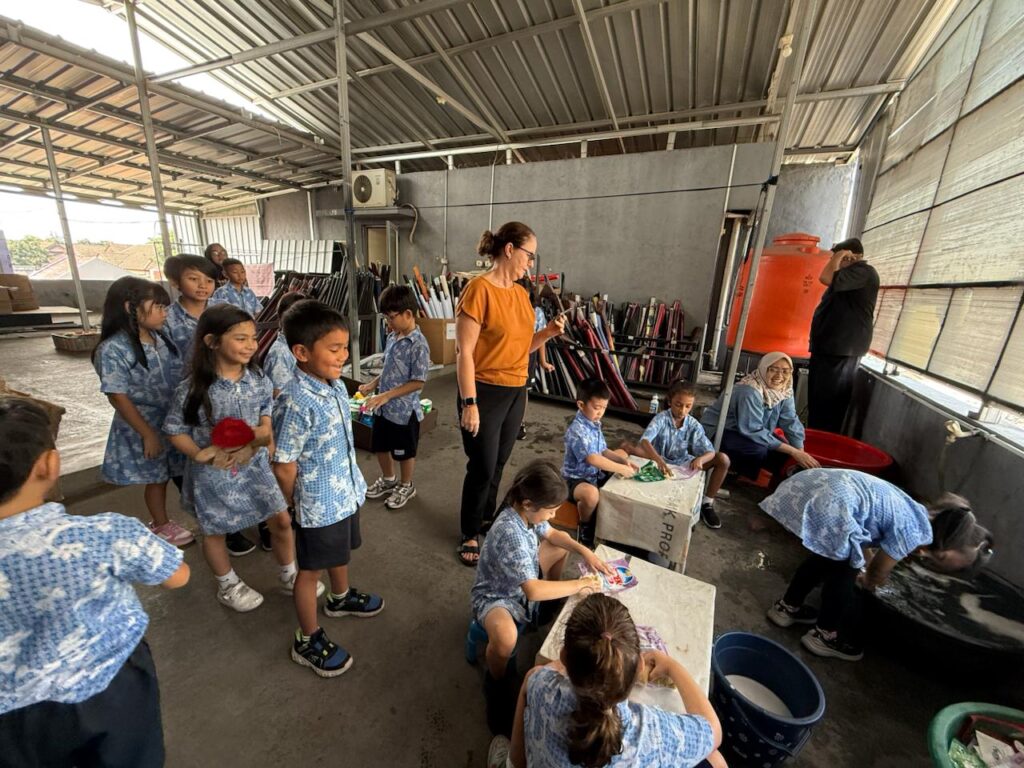
Careful preparation underpins every programme, with safety and structure always prioritised. Locations are vetted, staff are briefed, supervision ratios are maintained, and safeguarding protocols are clear. Parents are informed well in advance, and academic objectives are explained. Excellence in experiential learning requires vision, but it also requires meticulous planning.
Families often find that the most powerful lessons happen outside the expected frame of schooling. These experiences shape young people into individuals ready to stand tall, to lead with integrity, and to contribute in the world that is always in motion. Parents witness this growth with pride, watching their children gather qualities that travel with them everywhere.
Curiosity, responsibility and compassion form the foundation of learning at ACG School Jakarta. The mission comes alive through experiences that place students in real settings—working with communities, exploring environments, and meeting challenges that demand thoughtful response.
The measure of education is found in the way students carry themselves, in the choices they make, and in the assurance with which they meet uncertainty. Through journeys that are experiential and residential, they graduate not only accomplished in academics but also prepared to navigate, influence, and shape life beyond the school gates.
ACG School Jakarta
Jl. Warung Jati Barat (Taman Margasatwa) No. 19, Pasar Minggu
+ 62 816-297-800 (WA)
jakarta.acgedu.com