


Who can blame President Prabowo for getting upset and angry, as he did recently, when he was embarrassed by foreign leaders about the state of Bali’s all too visible garbage problem? But hold on, why didn’t he know before? Is no one brave enough to tell him the truth since the rest of us have been well aware since when…five years? More?
It seems not. And no doubt the same anger will be focused on Jakarta when he discovers that we are still sending 8000 tons of waste to landfill at Jakarta’s municipal dump, Bantar Gebang, or will it? There is a difference here compared to Bali, because despite this being now the world’s largest city, it’s actually pretty clean! Yes, there are 40 million residents in Greater Jakarta” (affectionally known as Jabodetabek, Jakarta, Bogor, Tangerang, Depok and Bekasi) but amazingly the streets are, relatively, clean!
What does that mean for the average citizen and especially for senior government officials? Simple: out of sight, out of mind. Yes, the street sweepers work effectively, the garbage trucks serve the streets, offices, hotels, apartments and houses very well. And it’s hard to complain about something that really appears to work rather well. And visiting VIPs will not find reason to embarrass the President, the Governor or senior Ministers. Whew!
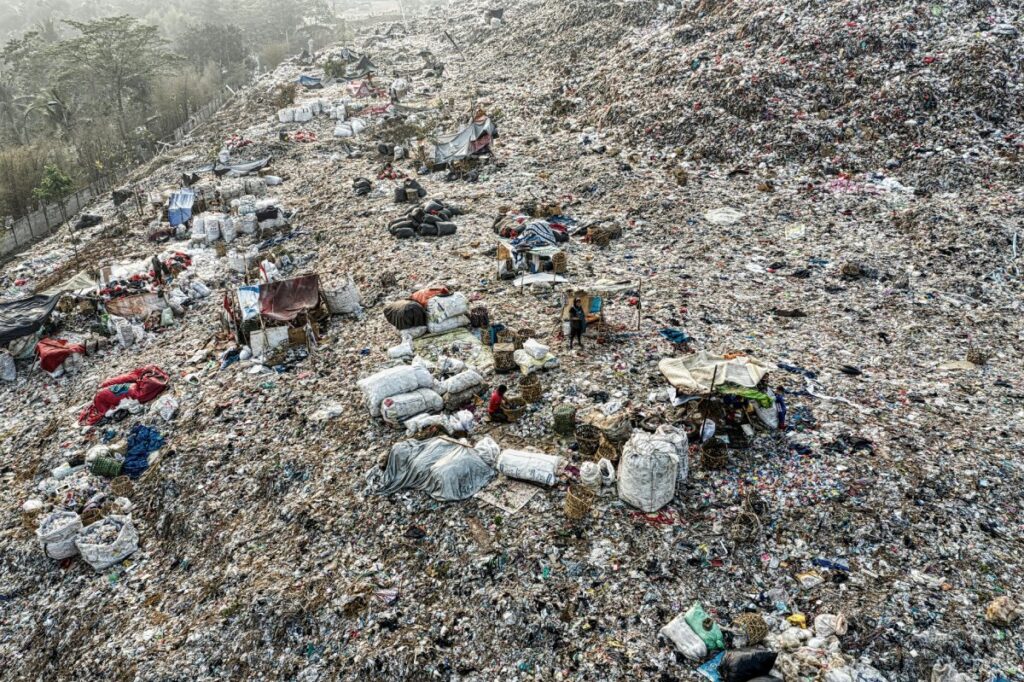
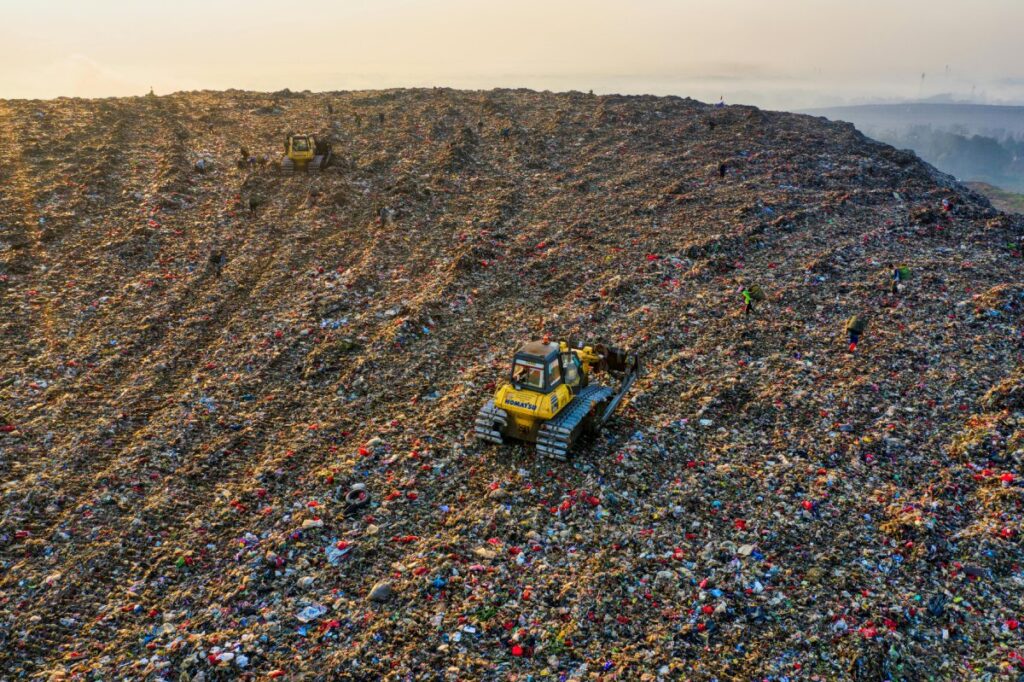
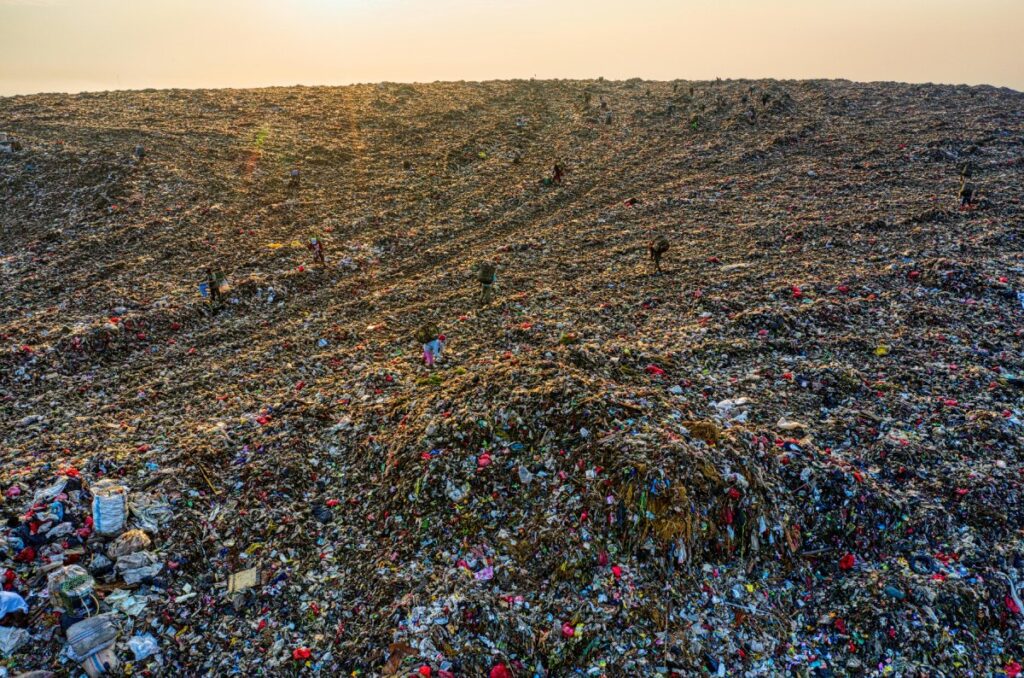
But, the streets are not the problem, it’s the garbage dump, the landfill, which was declared “full” in 2020, but since there has been no alternative found, it is still the recipient of largely unsorted and unrecyclable waste. Now this is becoming increasingly dangerous as the trapped organic waste degrades into methane gas: when compressed, can self-ignite at any time, endangering the lives of the 3000 (estimated) people who live by sifting through the waste for “valuable” items.
But it doesn’t need to be like this, and that’s why I have called this piece “Wasted Opportunities” because it is perfectly feasible to have businesses, offices, hotels and homes organised to reduce their waste to no more than 15-20% going to landfill. In fact, as recently proved by PT. Suparma, a paper factory in Surabaya, businesses can achieve “Zero-Waste-to-Landfill’ certification with some effort, planning and discipline.
The recycling business is really there, operating very effectively when ‘clean’ waste is available. Paper, card and boxes can be sold, as can most plastic items and glass bottles, not only reducing waste to landfill, but bringing in some income too. There is a super company called Nooveleum recycling used cooking oil, and Shiva Industries manufactures a machine which can change your organic waste to valuable compost in 24 hours. All you have to do is make sure that your waste is properly separated and not all mixed together.
So, the scenario is simple: separate all your recyclables and sell them, change your organic waste to compost and your cooking oil to biodiesel and all that’s left is say 20%. That means Jakarta’s 8000 tons becomes just 1600 tons per day, and that can pop nicely into a Waste-to-Energy Plant and power a couple of city blocks, making this a fully zero-waste-to-landfill city!
Now wouldn’t that be something for the President to get excited about rather than angry? So, let’s not waste any more opportunities!