



Elite sports nutritionist Emilia Achmadi shares why what you put on your plate matters just as much as your workout.
Sports and active lifestyles have seen a major pump in Jakarta. From the early morning cyclists on Sudirman, to runners and joggers hitting the city parks (and of course the nearly 24/7 padel enthusiasts), many are now identifying as athletes in their own right. This has been a positive trend for the city, with a perspective shift that sees health as the new wealth – and rightly so.
However, according to clinical dietitian and sports performance consultant, Emilia Achmadi, getting the body moving is only half the story for those looking to move the needle on their health and fitness goals.
The other half? Knowing what to put on your plate.
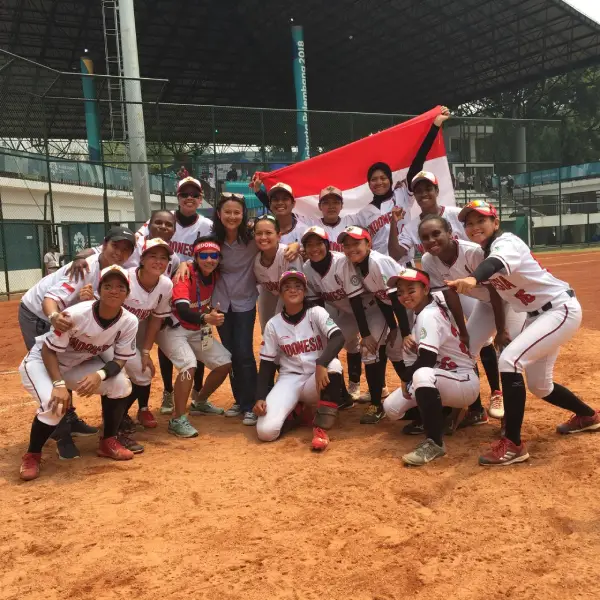
Working closely with the Ministry of Youth and Sports of the Republic of Indonesia, she currently oversees the men’s national team under John Herdman and supports multi‑discipline athletes preparing for major competitions such as the Asian Games and the Olympics. Emilia Achmadi knows what eating for performance looks like – principles that she shares with us here at NOW! Jakarta
A common trap that recreational athletes fall into is the “burn and earn” mindset, the idea that a hard workout justifies an extra portion of fried rice or a sugary drink. This comes from society’s long-held obsession with calories: “It’s not that simple. If that’s all that’s done, over a long period, we open the potential for problems to arise,” shares Emilia, explaining that this mindset can actually be counterproductive to long term fitness goals.
In other words, focusing on calories makes us think about quantity of our food instead of quality. She uses a car analogy to make her point: “A high-quality petrol that we use for a big, luxury car still won’t work for a race car…the fuel has to match the type of work being done.” Exercise creates micro-tears in the muscles and oxidative stress, and while calories provide or replenish energy, micronutrients facilitate recovery – this is what highly active individuals really require. Micronutrients – i.e. vitamins, minerals, antioxidants – must be prioritised so that repair and new formation can occur.
Rebalancing the Plate: Carbs vs Protein
Whilst micronutrients are the essential repair kit, when it comes to nutritional balance athletes must be aware of their macronutrients too. These are the larger food groups of carbohydrates, fats and proteins.
When it comes to general nutrition advice, certain food groups have always been demonised. For instance, carbohydrates are often blamed for weight gain, but for sports nutrition, carbohydrates have an important role to play and shouldn’t be ignored.
Carbohydrates, when digested, turn into sugar (glucose) and yes, for a sedentary individual, excess gets stored in the body as fat. However, for endurance activities, carbohydrates are a non-negotiable: they are the fuel for the body when it’s doing hard work, it is our main source of energy (glucose is converted into ATP, i.e. energy).
Now, whilst carbs are necessary, the trick is striking a balance of sources of carbohydrates and sugars: don’t load up on just starchy carbs like rice and potatoes, spread this out with fibres from vegetables and natural sugars from fruits.
On the other hand – and the gymheads might not want to hear this – but protein is often over-celebrated. Whilst protein is essential for muscle building and recovery, our organs cannot process protein in excessive amounts. Once again, moderation is important, and finding the right ratio of macronutrients (carbohydrates, fats, proteins) is essential.
Timing Your Meals
Back to our race car analogy: if nutrition is our fuel, then timing is the ignition. Emilia’s philosophy focuses on a 24-hour cycle where when you eat is just as important as what you eat. Timing is particularly vital for Jakarta’s professionals, where a workday stands between their lunch and after-office training sessions. For those heading to the gym or the track after office hours, the process actually begins four hours earlier with a complete meal of rice, protein, and vegetables to store the essential energy needed.
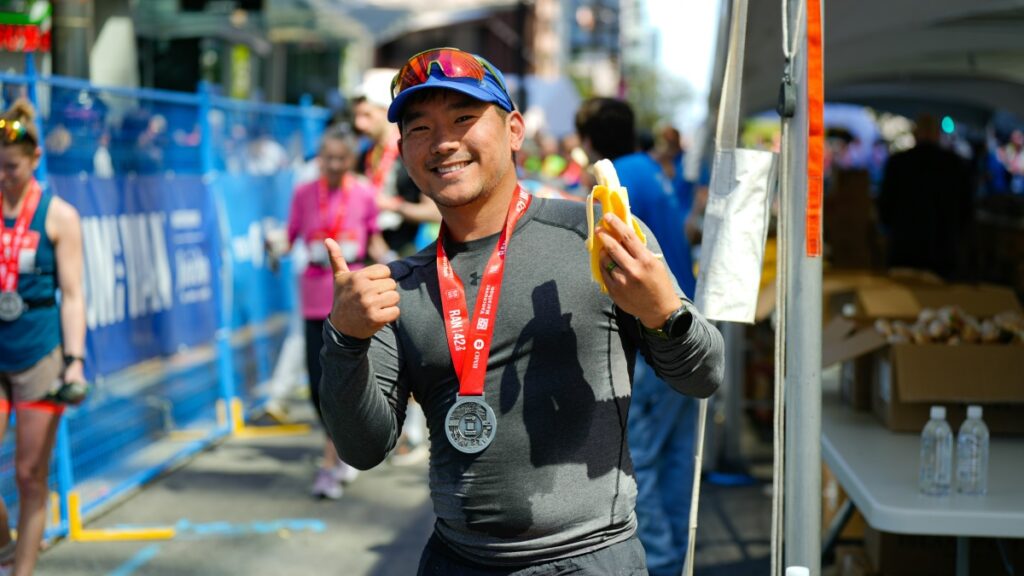
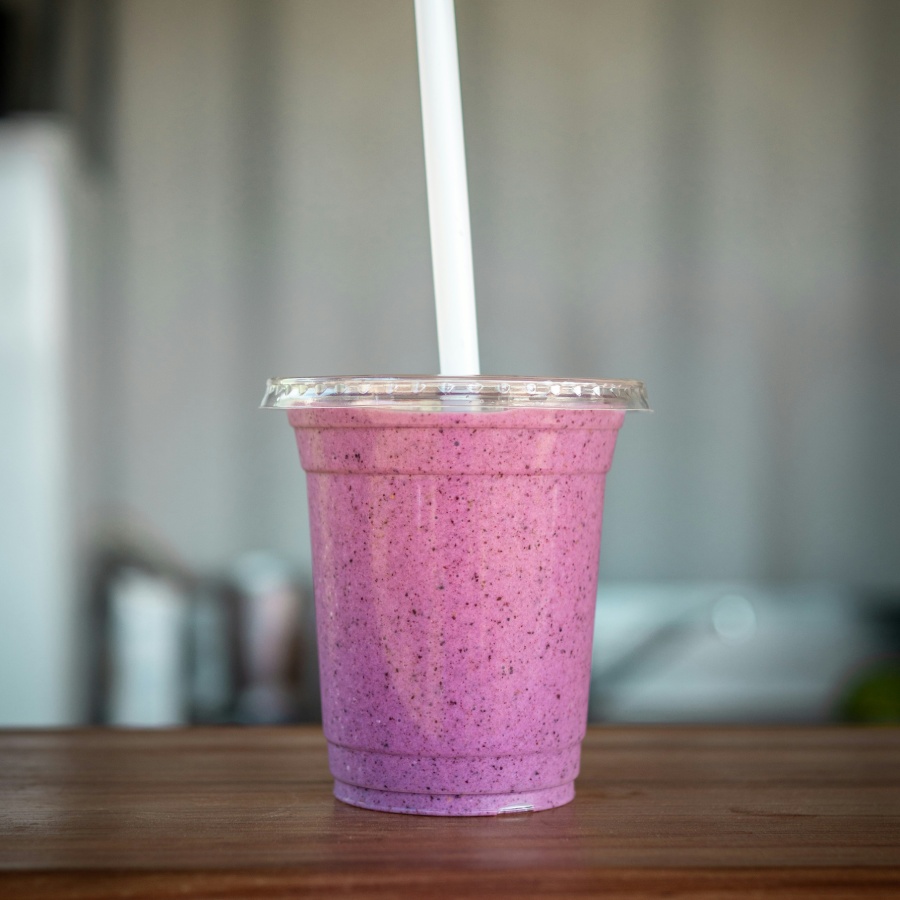
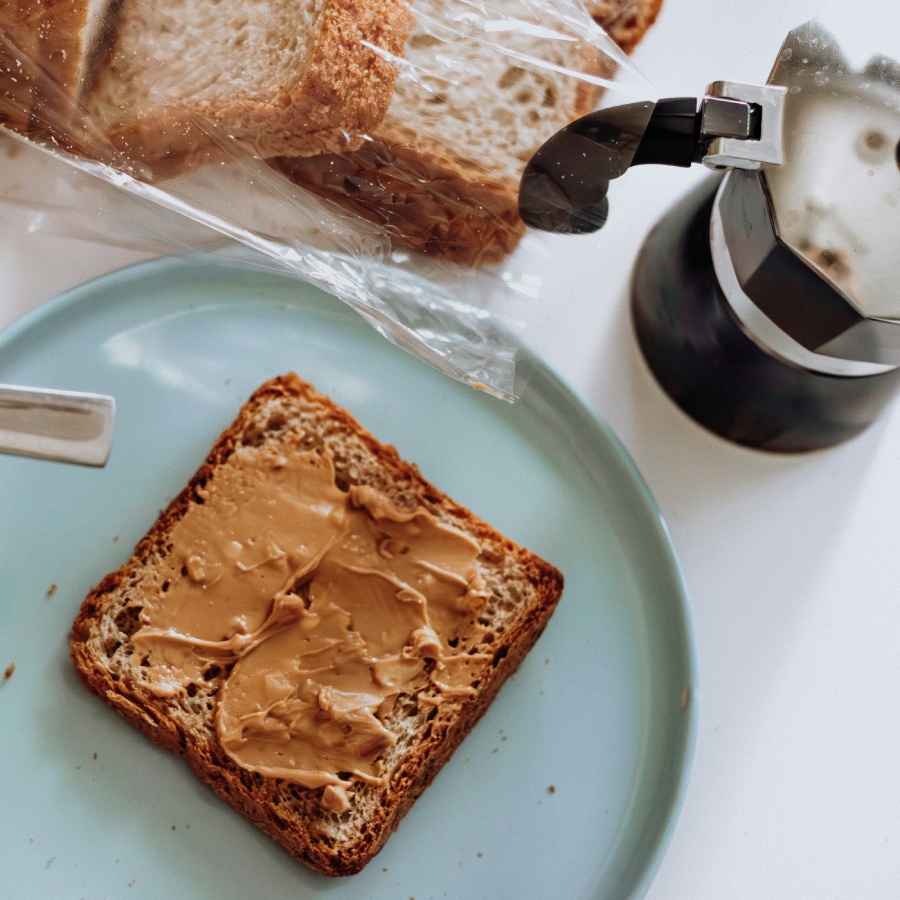
As the workout approaches, around one to two hours before, the strategy shifts to lighter, “quicker” fuel. For the busy worker, this might mean a simple banana, peanut butter on toast, or a smoothie—something easy to manage at a desk or during the commute to fuel the body without leaving the stomach feeling heavy.
“The timing that is most important is to know when my training is,” she says. It’s the key to actually having an effective workout, where our energy levels can sustain a 90-minute session, for example. Simple snacks like dates, crackers, or oatmeal biscuits can keep blood sugar steady. As for after the workout, one of Emilia’s unexpected recommendations for recovery is chocolate milk – it clears lactate from the body faster than standard recovery drinks, and offers a balanced ratio of protein and fluids to actually heal the micro-tears caused by the exercise. The chocolate, well, that’s what makes it yum.
Committing to the Process
This commitment to recovery highlights a broader truth in sports nutrition: there is no “off” switch for a body in motion. Emilia believes that the true test of an athlete— whether Olympic or recreational— is maintaining discipline once the session ends. Motivation is easy during a race, but the real work is found in the moments (and choices) in between. By being conscious of your food choices, you shift from simply “exercising” to nurturing long-term resilience.
At its heart, performance starts in the kitchen long before you hit the track. The take-home message for highly active Jakarta residents is that performance is not just achieved in motion, but it is secured in the everyday choices that fuel recovery and strength. Exercise may catalyse growth, but food is what allows that growth to endure and progress.
As Emilia Achmadi’s work with top athletes proves, your nutrition is the essential partner to your physical activity, regardless of how you move.
Follow Emilia for more nutritional advice and tips on Instagram: @emiliaachmadi