


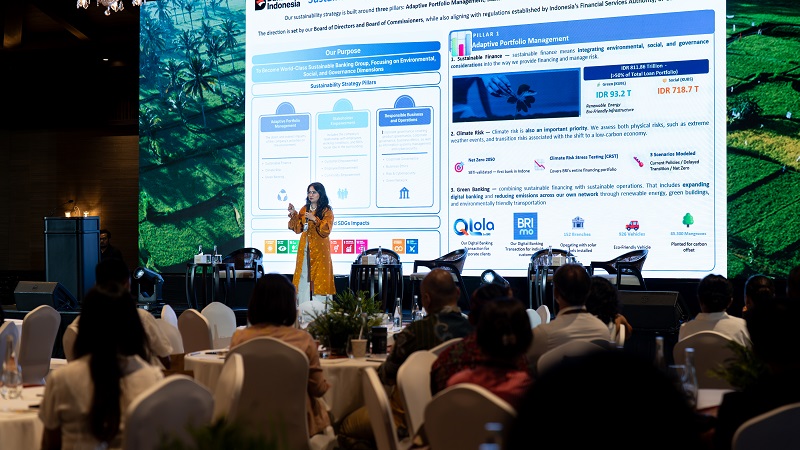
Path to Sustainable Growth: Regeneration for the Future brought heritage, sustainability and business responsibility into one direct conversation at the Nusantara Ballroom, The Apurva Kempinski Bali, on 24 June 2026. Moderated by Alistair Speirs of MVB Indonesia, the event gathered cultural figures, regenerative enterprises, financial institutions, hospitality leaders and young innovators to examine what Indonesia has inherited, what it is losing, and what kind of legacy can still be built from here.
The discussion began with a useful distinction, emphasising that heritage is what previous generations leave behind, while legacy is what the present generation passes on. In sustainability terms, the two cannot be separated. Natural landscapes, food traditions, local industries, architecture, agriculture, art and community knowledge all form part of a living inheritance. Lose them, and the next generation receives less than it should.
As Indonesia’s natural and cultural heritage continues to face pressure from urban expansion, plantation development, waste, pollution and short-term commercial thinking – the language of development can make these losses sound inevitable. However, the speakers at this forum argued otherwise. Their work showed that preservation is not a passive act. It requires documentation, business models, education, policy support and, in many cases, stubborn persistence.
The first part of the programme placed heritage in day-to-day use. Wulan Tilaar spoke through the lens of Indonesia’s beauty and cosmetics industry, continuing the work built by her mother while supporting the communities that supply and sustain it. Mita Alwi’s work in the Banda Islands showed how education, museums, tourism and local pride can help repair the long shadow of historical violence. Chef Heinz von Holzen addressed the preservation of Balinese cuisine, including the recording and revival of recipes that might otherwise fade from use. Agung Rai’s contribution centred on Balinese art, where curation and presentation become tools for cultural continuity.
Despite their differing fields – cosmetics, island heritage, food and art – together they all make one point clear. Heritage is not limited to monuments or archives, it lives in ingredients, skills, stories, livelihoods and the confidence of communities to value what they already have.
The programme then moved towards regeneration, with speakers whose work responds directly to environmental damage and resource waste. Tara Susanto of Bumiterra spoke on regenerating degraded land in Kalimantan and Bali. Philippe Micone of Noovoleum addressed the problem of used cooking oil and its impact when it is not properly collected and repurposed. Maitri Fisher of Eco Mantra brought the discussion into the built environment, focusing on buildings designed to reduce carbon impact and contribute positively to their surroundings.
Urban nature, waste management and ethical production were also part of the conversation. Jelle Therry of Urban Nature looked at ways to reintroduce nature into city environments. Nabila Shavira of Suparma presented the work of a paper and tissue company that has pursued Zero Waste to Landfill practices. Chandra Panjiwibowo of Rainforest Alliance discussed the importance of ethical agricultural production, while Jeremy Cooper of Beema Honey brought attention to bees and their role in maintaining healthy ecosystems.
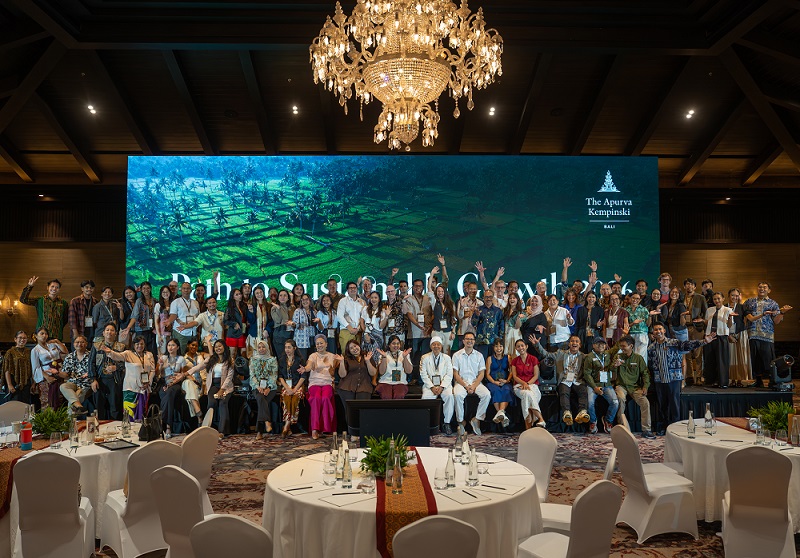
Other speakers widened the scope further. Natasha Clarine Mintarga of Rumah Atsiri addressed the adaptive reuse of an old factory in Solo, connecting heritage preservation with product development and sustainability. Galih Batara Mudah of Rumah Kelapa spoke on giving new value to the coconut, a familiar resource that remains underused in many contexts. Valerine Chandrakesuma of Wedoo discussed the machines that make local-level recycling more feasible. Merta Adi and Nago Tejena of Bali Usada connected regeneration to integrative meditation practices, while Anggi Jaya Lestari of 3C’s Tech brought the question back to human sustainability.
The Apurva Kempinski Bali also had a central role in the discussion with the hotel’s own Desak Intan sharing its sustainability journey, including its achievement as Indonesia’s first Global Sustainable Tourism Council Certified Hotel. For the hospitality sector, this matters. Hotels sit close to questions of energy, waste, procurement, culture, employment and destination identity. Certification is one step; the larger test is whether such practices encourage others in the industry to move in the same direction.
Finance was also part of the programme through BRI as the main sponsor of the event. Its contribution focused on green finance and sustainable banking, with an emphasis on responsible practice and the role financial institutions can play in guiding clients towards better environmental and social outcomes. It was a necessary addition to the conversation. Regeneration needs belief, but it also needs funding, systems and standards.
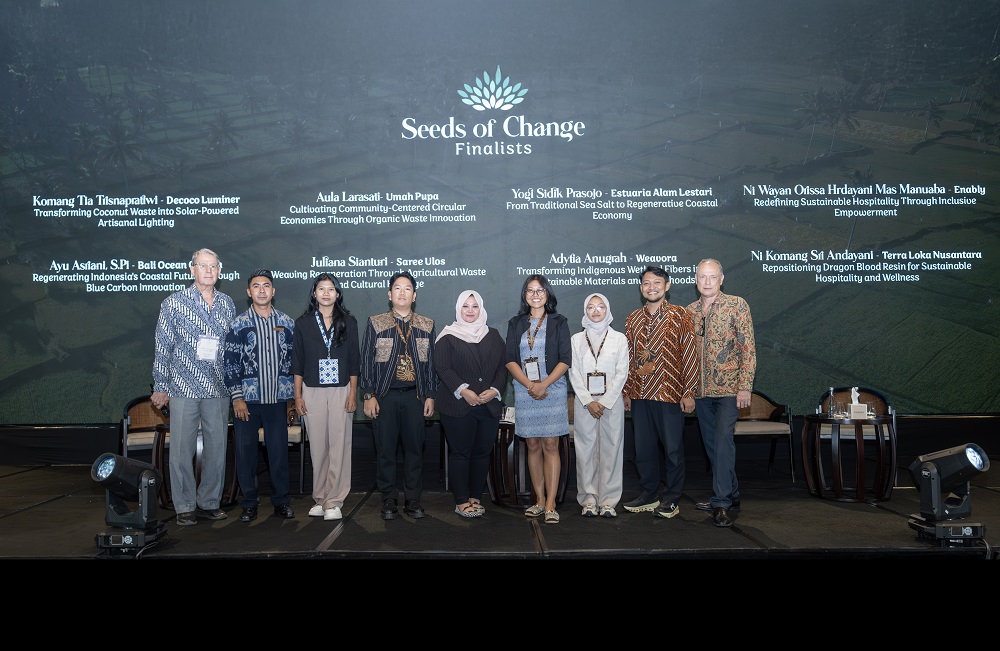
The event’s future-facing element came through Seeds of Change, a two-month mentorship and incubation embedded within PTSG 2026 for students and early-stage star-ups working at the intersection of sustainable gastronomy and regenerative tourism.
More than 30 applicants submitted proposals, with eight selected to enter an eight-week incubation process from July to August and develop their ideas with direct guidance from industry mentors. The programme combines mastercalsses, business-plan development and individual mentoring, helpding participants strengthen the financial and operational foundations need to turn regenerative ideas into viable ventrues.
Bali Investment Club contributed its expertise in sustainable business models, supporting participants as they moved from their initial vision towards practical execution. By continuing beyond the event it self, Seeds of Change offered emerging founders sustained mentorship, professional guidance, and access to industry networks. It also gives PTSG’s discussion of legacy a tangible outcome, equipping the next generation to begin shaping it themselves.
The main takeaway from Path to Sustainable Growth: Regeneration for the Future was direct, sustainability cannot rely on preservation alone. Indonesia needs to recognise what remains, repair what has been damaged and build systems that allow culture, nature and enterprise to support one another. The work shown in Bali suggests that this is already happening, though not yet at the scale required.
To receive the latestupdates on Seeds of Change, follow @kempinskibali on Instagram.