



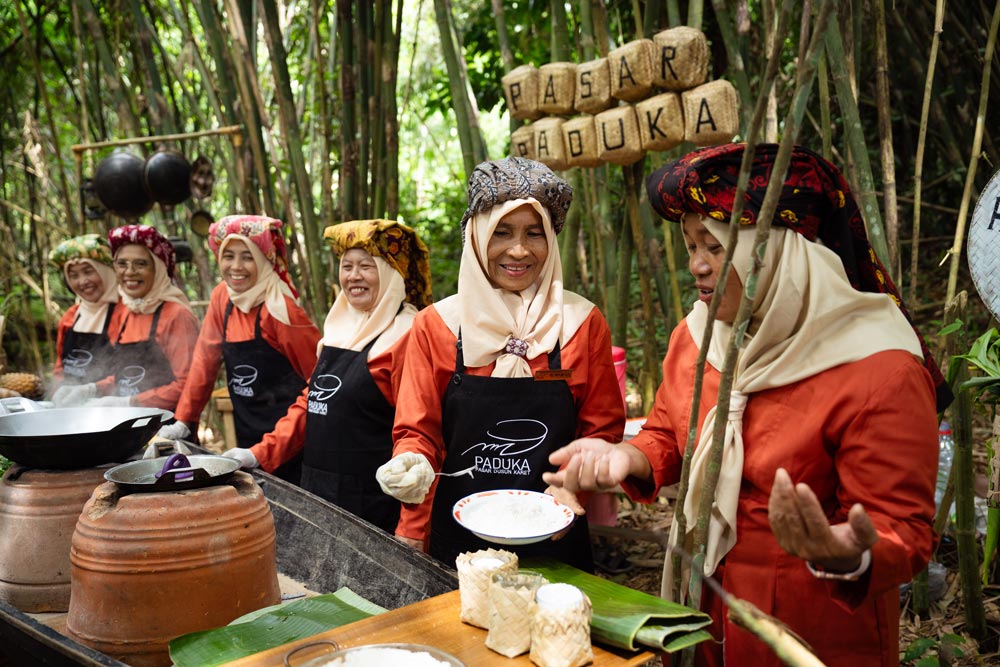
“Beyond every great meal lies the power to create livelihoods, preserve cultural heritage, and safeguard biodiversity. This is the power of Social Gastronomy.”
When people hear the word gastronomy, they often think of fine dining restaurants, celebrated chefs, or beautifully presented dishes. Yet gastronomy is far more than what appears on a plate. At its heart, gastronomy is about the intricate relationship between food, culture, nature, history, and the communities that sustain them.
In Indonesia, gastronomy holds extraordinary potential. As one of the world’s most biodiverse countries and home to hundreds of ethnic groups, languages, and culinary traditions, Indonesia possesses a unique combination of natural and cultural assets that few nations can rival. These assets are not only a source of national pride; they can also become powerful drivers of inclusive economic development.
This is the essence of what I call Social Gastronomy—or gastronomy with purpose. It is an approach that views food not merely as something to be consumed, but as a catalyst for creating livelihoods, empowering communities, preserving cultural heritage, promoting trade in local food products, and encouraging more sustainable forms of tourism. In a world increasingly searching for authenticity, sustainability, and meaningful experiences, Indonesia’s greatest gastronomic opportunities may lie beyond the plate.
Indonesia’s Greatest Gastronomic Asset
Across the archipelago, communities cultivate indigenous crops, harvest wild foods, preserve traditional recipes, and maintain culinary knowledge that has been passed down through generations. From sago forests in Papua and spice gardens in Maluku to heirloom rice fields in Bali and traditional food forests in Flores, these living food traditions represent far more than cultural heritage. They are valuable economic assets.
Yet many of the communities that safeguard this heritage often remain disconnected from premium markets and tourism opportunities. The challenge is not a lack of resources, but a lack of systems that allow communities to capture greater value from the biodiversity and cultural diversity they have protected for generations. Social Gastronomy seeks to change that.
The true impact of gastronomy is not measured solely by what diners experience at the table. It is measured by the opportunities created throughout the value chain. Behind every memorable meal are farmers, fishers, foragers, food artisans, cooks, guides, storytellers, and hospitality workers. When gastronomy is developed intentionally, each of these actors can participate in the value created.
This approach transforms gastronomy from a lifestyle sector into an economic ecosystem capable of generating jobs, supporting small enterprises, encouraging entrepreneurship, and strengthening local economies. At the same time, it creates incentives to preserve the cultural knowledge and biodiversity that make these food traditions unique in the first place.
Community-Based Gastronomy Tourism
One of the most promising expressions of Social Gastronomy is community-based gastronomy tourism. Unlike conventional culinary tourism, which often focuses on restaurants and urban dining destinations, community-based gastronomy tourism invites visitors to experience food within its cultural and ecological context. Food becomes the gateway to understanding a place.
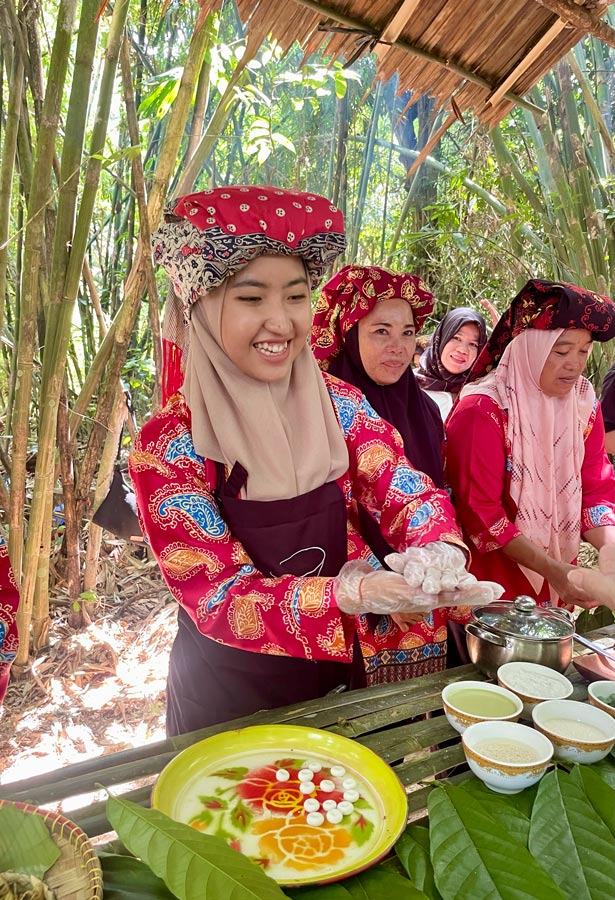
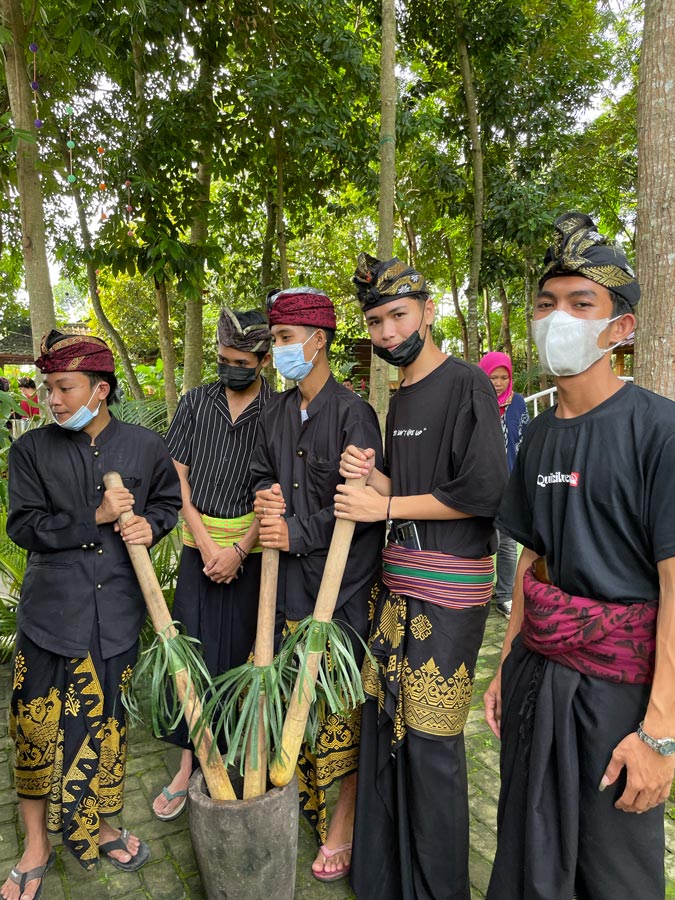
Visitors are no longer passive consumers; they become participants in experiences that connect them with local communities, traditions, and landscapes. These experiences may include traditional cooking classes, guided foraging expeditions, food trails through villages and local markets, thematic dining experiences, farm and agroforestry tourism, homestays centered around food traditions, encounters with artisans producing biocultural products, and even river-based food journeys that reveal the relationship between waterways, food systems, and community livelihoods.
Such experiences create deeper engagement for visitors while ensuring that tourism benefits are distributed more equitably among local communities.
Social Gastronomy in Action
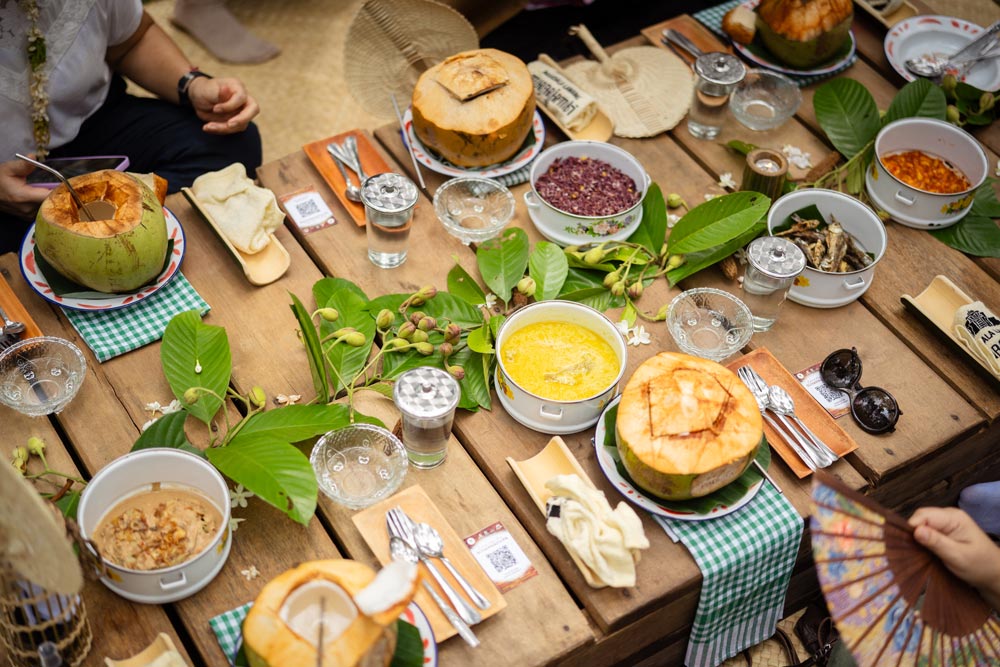
Across Indonesia, inspiring initiatives are already demonstrating how gastronomy can become a force for community empowerment.
In Muara Jambi, GastroCultural Tourism initiatives are helping visitors discover one of Southeast Asia’s most important archaeological landscapes through local food traditions, heritage, and community participation. Here, gastronomy serves as a bridge between cultural preservation and local economic development.
A similar spirit can be found in Lakoat Kujawas in Timor, East Nusa Tenggara. What began as a community movement to preserve local culture has evolved into a model for cultural and economic revitalisation. Through traditional foods, indigenous crops, local storytelling, and creative community activities, Lakoat Kujawas demonstrates how food heritage can become a foundation for community resilience and local prosperity.
In Lombok, Desa Wisata Hijau Bilebante has successfully integrated food experiences, agriculture, tourism, and community entrepreneurship. Visitors are invited to experience village life through local cuisine and agricultural activities, creating meaningful interactions while generating direct benefits for local residents.
Meanwhile, in Papua, gastronomy offers a unique lens through which visitors can discover one of Indonesia’s richest biocultural landscapes. Through the work of Papua Jungle Chef founded by Chef Charles Toto and various local food initiatives, indigenous ingredients such as sago, forest foods, local tubers, and traditional cooking practices are gaining greater visibility. These efforts help showcase Papua’s extraordinary biodiversity while celebrating the cultural knowledge embedded within its food systems.
Other initiatives such as Jamuan Puan Rimba highlight the culinary wisdom of forest communities and the importance of preserving traditional ecological knowledge. At the same time, The Future Table explores how indigenous ingredients, biodiversity, and regenerative food systems can contribute to a more resilient and sustainable food future.
Although these initiatives differ in scale and approach, they share a common principle: communities must be more than suppliers of ingredients or performers of culture. They must be active participants and beneficiaries of the value generated through gastronomy.
Building an Ecosystem for Social Gastronomy
While community-based gastronomy initiatives may appear diverse in their forms and locations, they all share a common challenge: transforming local knowledge and cultural assets into sustainable economic opportunities. Over the years, this has been the mission of Javara and Sekolah Seniman Pangan.
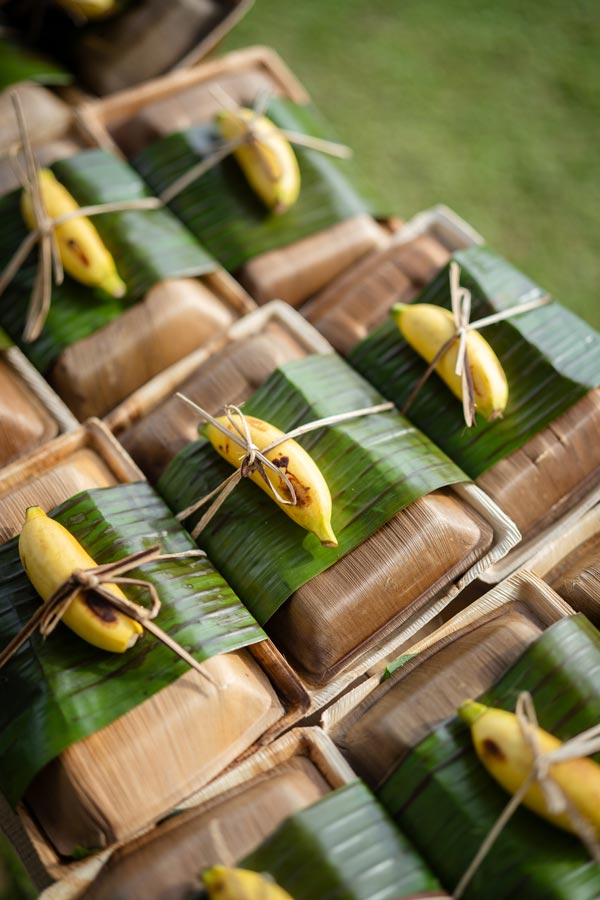
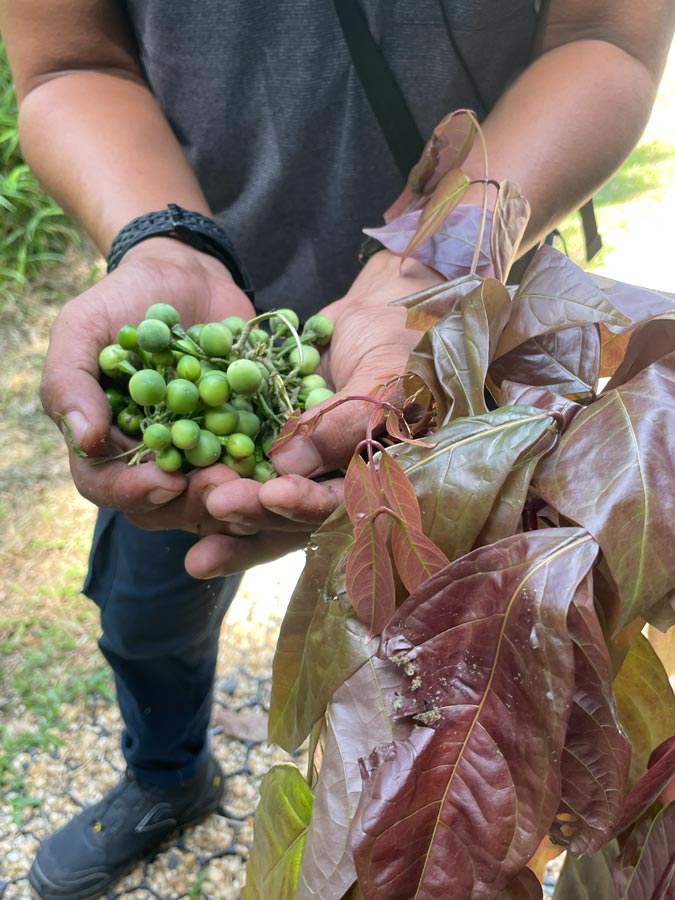
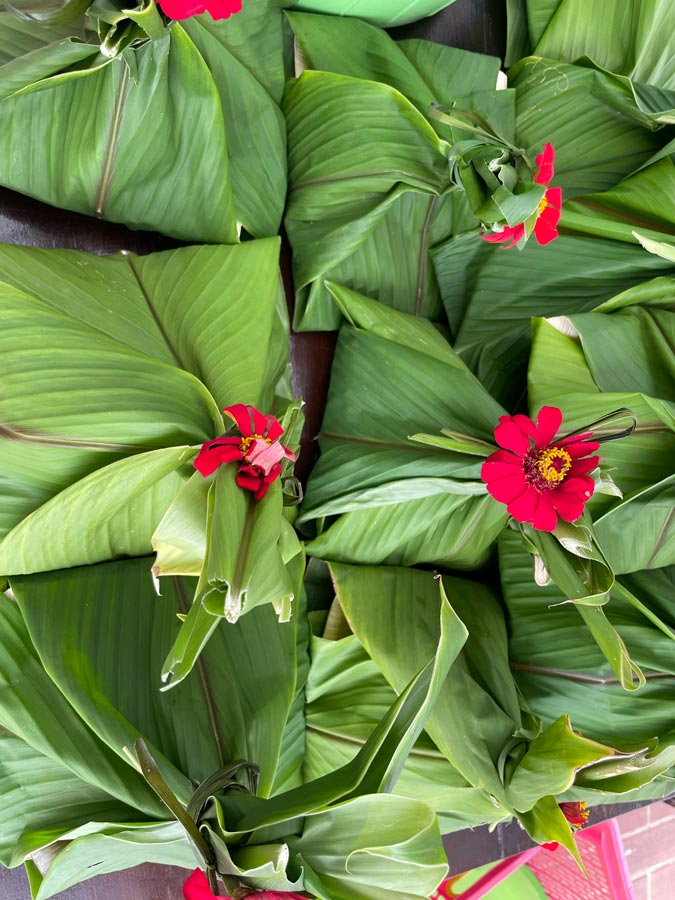
What began as an effort to connect indigenous ingredients and traditional food products with modern markets has gradually evolved into a broader movement focused on nurturing community-based gastronomy enterprises across Indonesia. The objective is not simply to sell products, but to help communities create sustainable businesses rooted in their unique biodiversity, cultural heritage, and local identity.
Through mentorship, market access, product development, storytelling, and entrepreneurship development, Sekolah Seniman Pangan has supported food communities in developing a wide range of gastronomy-based enterprises. These include artisanal food products, rural cafés and eateries, gastronomic tourism programs, thematic dining experiences, pop-up markets, and cultural events that celebrate local ingredients and traditions.
Many of the initiatives highlighted in this article—including community-led efforts in Flores, Papua, Timor, Lombok, and Muara Jambi—are part of a growing ecosystem that empowers communities to transform their food heritage into sustainable enterprises.
At the centre of this ecosystem is Javara Culture, a living gallery of Indonesia’s food culture and biodiversity. More than a retail space, Javara Culture is a place where people can shop, eat, learn, and connect with the stories behind Indonesia’s extraordinary food heritage.
Visitors can discover carefully curated products from community-based food enterprises across the archipelago, participate in workshops and educational programs, attend thematic dining experiences, and engage directly with the producers and communities behind the products. The space also hosts kitchen takeovers, guest chef collaborations, food residencies, and community-led food events that provide a platform for local food entrepreneurs to share their traditions with wider audiences.
In many ways, Javara Culture serves as a bridge between rural producers and urban consumers, creating opportunities for communities to access markets while allowing consumers to experience the richness of Indonesia’s culinary diversity in a meaningful and authentic way.
The ultimate goal is not merely to preserve traditions, but to ensure they remain economically relevant for future generations. When communities can generate livelihoods from their cultural and biological assets, heritage becomes a living resource rather than a relic of the past.
Looking Beyond the Plate
As global travellers increasingly seek meaningful experiences and consumers demand products with authenticity and purpose, Indonesia has a remarkable opportunity to position itself as a leader in gastronomy that is not only delicious, but also inclusive, regenerative, and community-driven.
The future of Indonesian gastronomy should not be measured solely by the number of restaurants, awards, or celebrity chefs it produces. Its success should also be measured by the livelihoods it creates, the cultures it sustains, the biodiversity it protects, and the communities it empowers.
Across Muara Jambi, Flores, Timor, Lombok, Papua, and countless other corners of the archipelago, communities are demonstrating that food can be far more than sustenance or commerce. It can become a platform for storytelling, cultural pride, environmental stewardship, and economic opportunity.
Indonesia’s greatest gastronomic asset is not a single dish, ingredient, or destination. It is the extraordinary combination of biodiversity, cultural diversity, and community knowledge that exists throughout the archipelago. Because beyond every great meal lies something far more important: the opportunity to transform lives.