



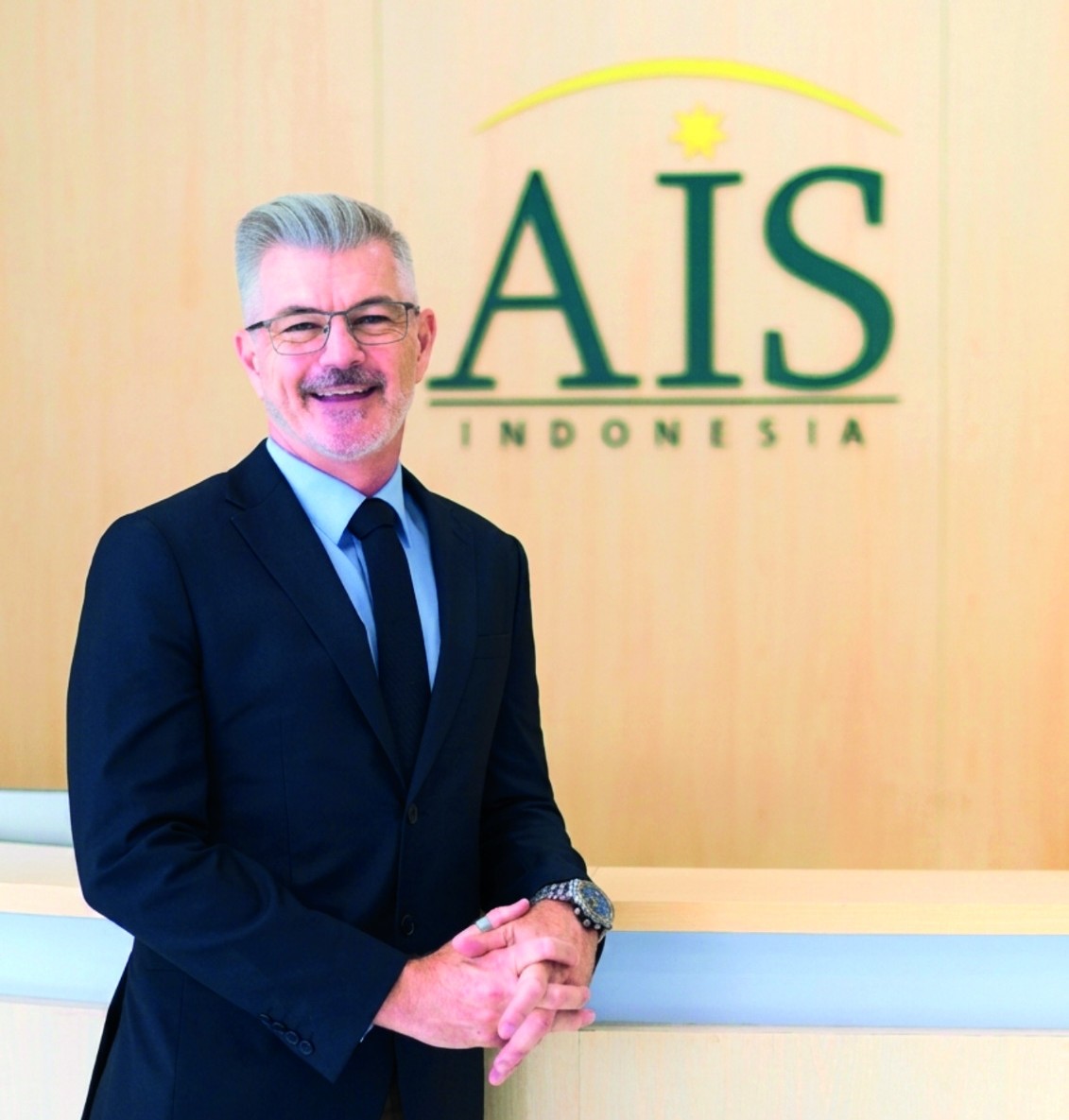
With a new Principal in place, AIS Jakarta enters its next chapter
In conversation with NOW! Jakarta (NJ), recently appointed Principal Dean Cummins (DC) discusses the leadership values, educational priorities, and culture of care shaping Australian Independent School (AIS) Jakarta’s learning environment, community spirit, and overall direction, offering readers a closer look at the school’s identity and approach.
NJ: Can you introduce yourself and share a bit about your professional background?
DC: I’m originally from Australia and have worked in education for 28 years, including time in the UK and around 20 years in IB and international schools. Most recently, I spent three years in Guangzhou, China, helping establish a school and its brand.
NJ: What drew you to this role, and what has stood out to you since arriving at AIS Jakarta?
DC: AIS stood out because of its people, leadership, and strong use of the Australian Curriculum from Foundation to Year 10. I also value its focus on wellbeing, inclusivity, and community. Since arriving in January 2026, the sense of connection has stood out straight away.
There is a strong partnership between families, staff, and the board, along with a shared commitment to high-quality teaching and learning. Compared to my previous role in China, AIS already has a clear sense of identity. My role here is to build on that foundation while continuing to support and challenge students.
NJ: AIS Jakarta is guided by the motto Empowering Minds, Uniting Communities. How is that reflected in daily school life?
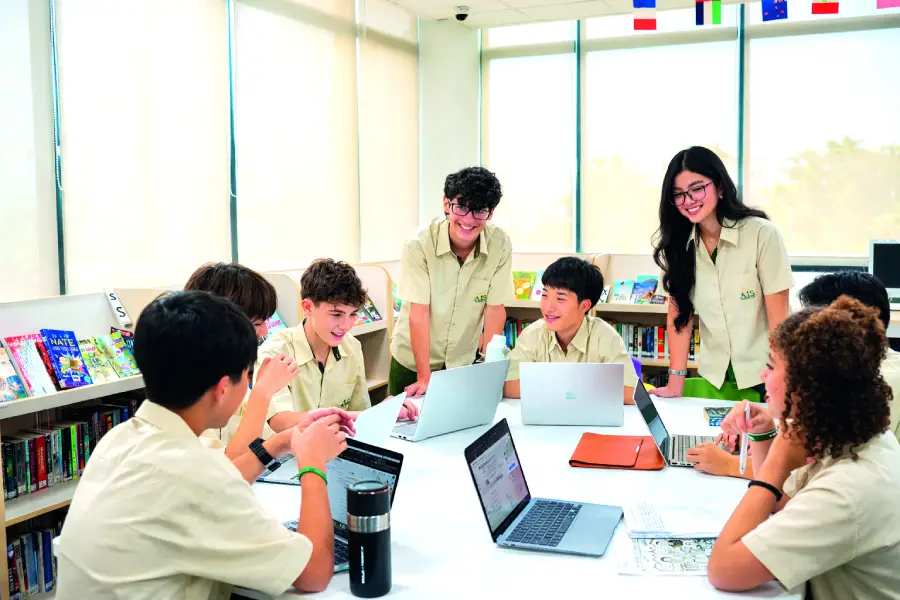
DC: Uniting Communities is reflected in our diversity. We are a genuinely international school, with Japanese, Korean, Malaysian, Indonesian, Australian, European and African communities all represented. Bringing those cultures together is central to who we are. Empowering Minds is about individualised learning. In every class, we are not simply teaching a subject; we are teaching each student as an individual, understanding how they learn, what their strengths are, and where they need support. That is how we challenge and empower them every day.
NJ: How does that philosophy shape student support and academic standards at AIS?
DC: Diversity is a strength. If you understand each student, including their cultural background, learning style and needs, you can bring out their best. That requires sensitivity, strong feedback, and a personalised approach. AIS is grounded in wellbeing, support and connection. We are not an exam factory; we focus on relationships, because when students feel known and supported, strong outcomes follow.
Academically, our approach is differentiation and scaffolding rather than streaming. We support a wide range of learners within the same classroom, and that can benefit high achievers, middle achievers and those who need more support. Smaller class sizes and teaching support also help us maintain that balance.

NJ: AIS offers the Australian Curriculum in the earlier years and the IB in the senior years. How does this pathway prepare students academically and personally?
DC: The Australian Curriculum provides a strong foundation in literacy, numeracy, creative thinking and key learning skills. The IB then builds on that by developing students’ independence, deeper thinking and international mindedness. Together, they create a pathway that supports both academic growth and personal development.
NJ: AIS also places strong value on learning beyond the classroom. Why does that matter?
DC: These experiences help build the whole person. Whether through sports, arts, camps, service learning or excursions, students grow by trying new things, taking risks, sometimes failing, and improving. We run co-curricular activities five days a week, sometimes on weekends, across sports, arts and academic interests. These clubs give them opportunities to shine, build confidence, work in teams and develop balance.
NJ: How much agency do students have in their learning, and how does AIS prepare them for the world beyond school?
DC: Inquiry plays an important role, but strong teaching uses a range of strategies, including direct instruction where needed. The focus is on building the capabilities and skills students need to become effective learners. Student voice is very important at AIS, both formally through leadership programmes and the Student Representative Council, and in the classroom through choice, ownership and participation in learning.
International mindedness should be visible in every classroom, but it is also developed through excursions, co-curricular activities, experiential learning and service learning.

NJ: How does AIS encourage student agency, and how is the school responding to technology and AI?
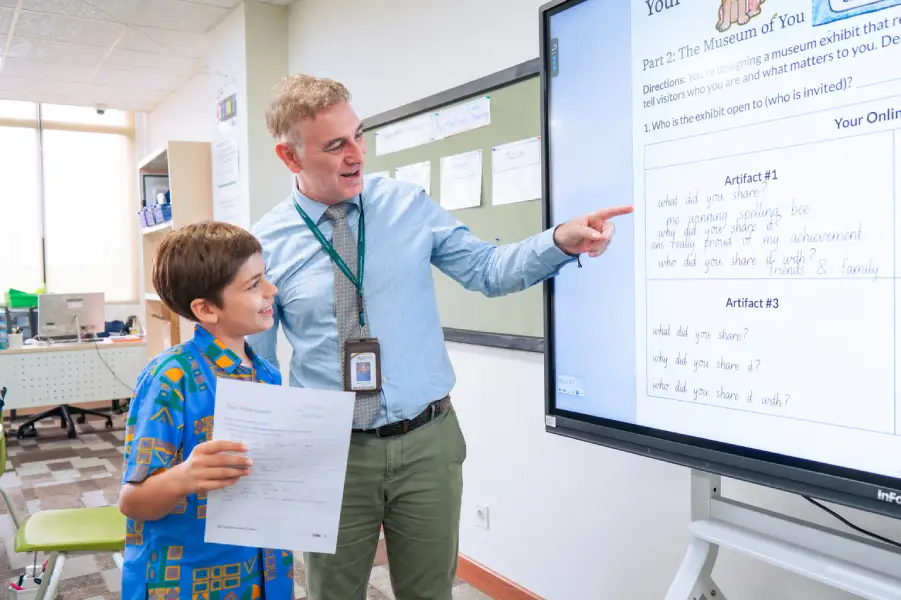
DC: We recognise that students are growing up in a world shaped by technology and AI, so schools cannot ignore it. In the high school years, AIS is a Bring Your Own Device school, but we are also encouraging more handwriting, especially as Diploma Programme examinations are still handwritten. AIS has clear guidelines around ethical and authentic AI use, with different levels depending on the task. AI can be a helpful support, but it should never replace original thought. Critical thinking and student ownership must remain central. We are also reviewing device use and involving both parents and students in shaping those decisions
NJ: As Principal, what direction do you want AIS Jakarta to take?
DC: I want to honour what AIS already is. As a school centred on community, inclusion and strong relationships, my focus is on ensuring the highest quality teaching and learning in the classroom, because when students feel connected and supported, they learn better. I want AIS to become the best version of itself while keeping its strong sense of community. Even if the school grows, I want it to keep that same feeling of connection, care and family.
Visit ais-indonesia.com to learn more about the school.
AIS Jakarta
Jl. Pejaten Barat No. 68
+62 21 782 1141