



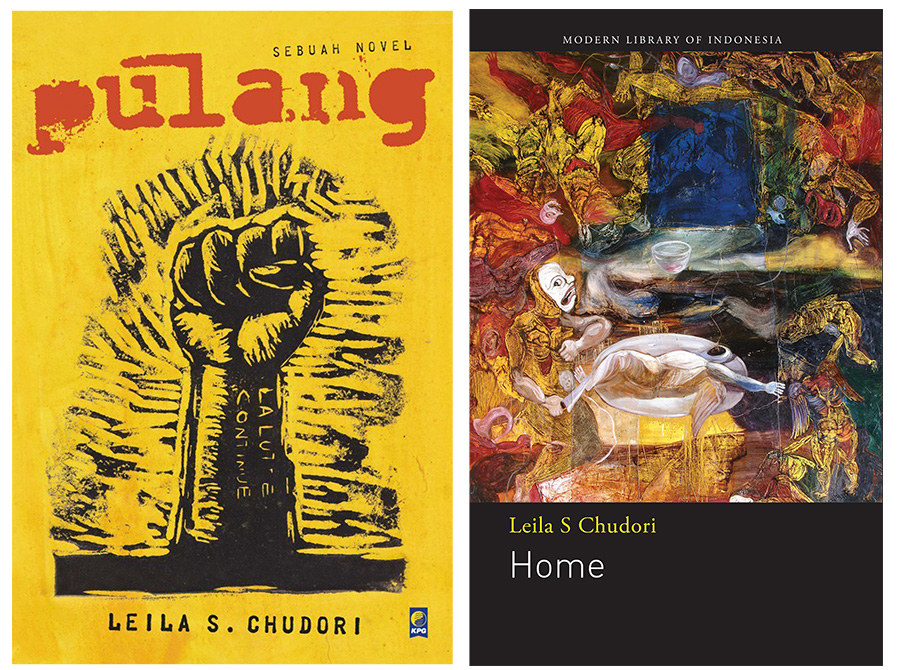
Guest writer, Puspita Bahari, reviews the English translated ‘Home‘ (Pulang) by Leila S. Chudori as part of our series ‘Sastra Book Club: Indonesian Literature Review
Some words refuse to be translated. The Indonesian word pulang is one of them. While return simply describes the act of going back to a place, pulang carries a deeper emotional resonance it speaks of coming home, of belonging, and of longing for the place where one’s heart truly resides. It is a word woven with memory, identity, family, and an unbreakable connection to one’s homeland. Perhaps that is why Leila S. Chudori’s novel was translated into English as Home, rather than Return. The title itself recognises that pulang is less about movement than about belonging. This layered meaning lies at the heart of Chudori’s novel, which asks a profound question: what happens when home is no longer a place you can return to?
First published in 2012 and translated into English by John H. McGlynn, Home is widely regarded as one of the most significant works of contemporary Indonesian literature. By giving voice to those long absent from Indonesia’s official historical narratives, the novel has become an important literary reflection on exile, memory, and national identity. Chudori, an acclaimed novelist and journalist, masterfully combines meticulous historical research with deeply personal storytelling. Rather than presenting the political upheaval of 1965 through dates and ideological debates, she explores its lasting consequences through the lives of ordinary people whose futures are forever altered. McGlynn’s translation preserves the emotional warmth of Chudori’s prose while introducing international readers to uniquely Indonesian concepts that resist direct translation, most notably, the very idea of pulang itself.
At the centre of the novel is Dimas Suryo, an Indonesian journalist stranded in Paris after the events of 1965, i.e. the violent anti-communist purge that swept across the young nation. Stripped of his passport and unable to return to Indonesia, Dimas and his fellow political exiles are forced to rebuild their lives in a country they never intended to call home. They learn a new language, adapt to unfamiliar customs, and create new lives abroad, yet Indonesia remains the place to which they continue to feel deeply connected. What makes Home particularly memorable is its refusal to reduce history to heroes and villains. Instead, Chudori presents complex individuals whose lives are shaped by love, loss, impossible choices, and an enduring hope that one day they might return.
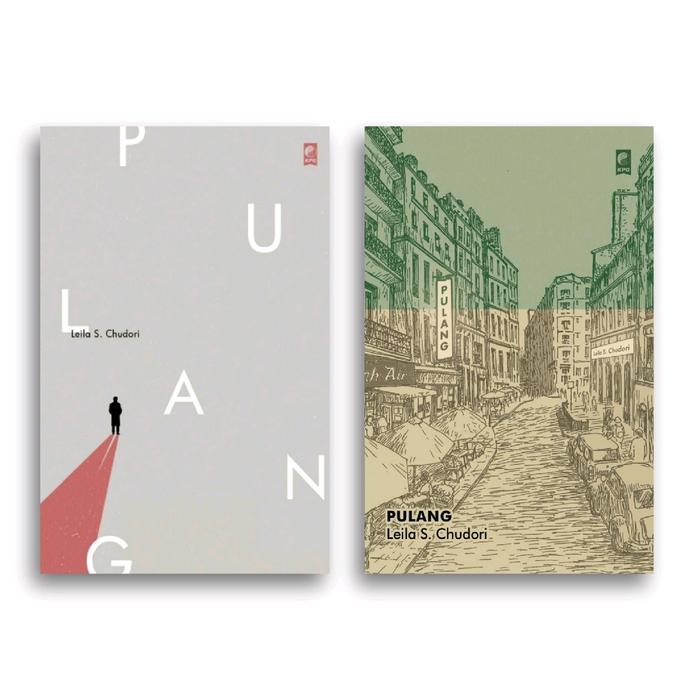
Perhaps the novel’s most compelling symbol is the Tanah Air restaurant founded by Dimas and his fellow exiles. More than a place serving Indonesian cuisine, the restaurant becomes a homeland reconstructed through food, language, memory, and shared rituals. Every familiar recipe, every conversation in Indonesian, and every story exchanged across its tables becomes an act of preserving a country they can no longer physically return to. Rather than simply serving meals, Tanah Air safeguards a collective memory of Indonesia, allowing its culture and identity to endure in a place far from home.
In exile, remembering becomes an act of resistance. That is precisely what Dimas and his friends achieve through Tanah Air. Although they are denied the right to return by their own country, their love for Indonesia never fades. Their patriotism is expressed not through political slogans but through everyday acts of remembrance sharing food, speaking their native language, celebrating familiar traditions, and passing on stories of home. Chudori quietly redefines patriotism. Love for one’s country is measured not only by living within its borders, but also by the determination to preserve its culture, memories, and spirit when history has forced you away.
Beyond its compelling themes, Home is equally remarkable for Chudori’s craftsmanship. Rather than presenting history chronologically, she moves seamlessly between generations, timelines, and perspectives, allowing the past and present to illuminate one another. Her prose is lyrical yet avoiding over embellishment, balancing political complexity with emotional intimacy. Vivid descriptions of Parisian cafés, Indonesian dishes, family conversations, and quiet moments of longing create an atmosphere that allows readers to feel not only the physical distance between two countries, but also the emotional weight of the characters’ exile. Chudori’s greatest achievement lies in her ability to humanise history, transforming political tragedy into an intimate story about love, friendship, family, and belonging. At times, the novel’s ambitious scope and shifting timelines require careful attention, particularly for readers unfamiliar with Indonesian history. Yet this complexity ultimately mirrors the fragmented experience of exile itself.
The novel’s emotional depth becomes even more apparent through Lintang Utara, Dimas’s daughter, who represents a generation born long after the political turmoil but is still profoundly shaped by its consequences. Raised in France, Lintang inherits stories of a homeland she has never truly known. Her journey to Indonesia is not merely geographical but deeply emotional; she is searching for a history that was never fully told to her. Through Lintang, Chudori reminds us that history never belongs solely to those who lived through it. Political violence leaves traces that echo across generations, shaping identities through inherited memories, unanswered questions, and quiet silences.
For international readers, Home offers far more than an introduction to a little-known chapter of Indonesian history. It opens a window into the emotional cost of exile while revealing the resilience of those who continue to carry their homeland within them despite being separated from it. Although deeply rooted in Indonesia’s past, the novel speaks to anyone who has experienced displacement, migration, or the search for belonging.
Perhaps that is why the word pulang cannot be fully translated into English. In Leila S. Chudori’s Home, pulang is no longer simply a return. It becomes an enduring act of carrying home within oneself. In the end, Chudori reminds us that while a nation may deny its people the right to return, it can never erase the home they continue to carry in their hearts.