




From winning awards to an exciting collaboration with Garuda Indonesia that expands destinations in both Japan and Indonesia, Japan Airlines’ Country Manager for Indonesia, Ando Masato, shares the latest from Japan’s premium national carrier.
Japan is the sixth biggest outbound destination from Indonesia, taking up around 4% of total outbound tourism (2025) and increasing annually. Japan Airlines (JAL) has been steadily servicing this growing market with 11 weekly flights between Narita and Soekarno-Hatta airports, continuing a legacy flight path that started back in 1962.
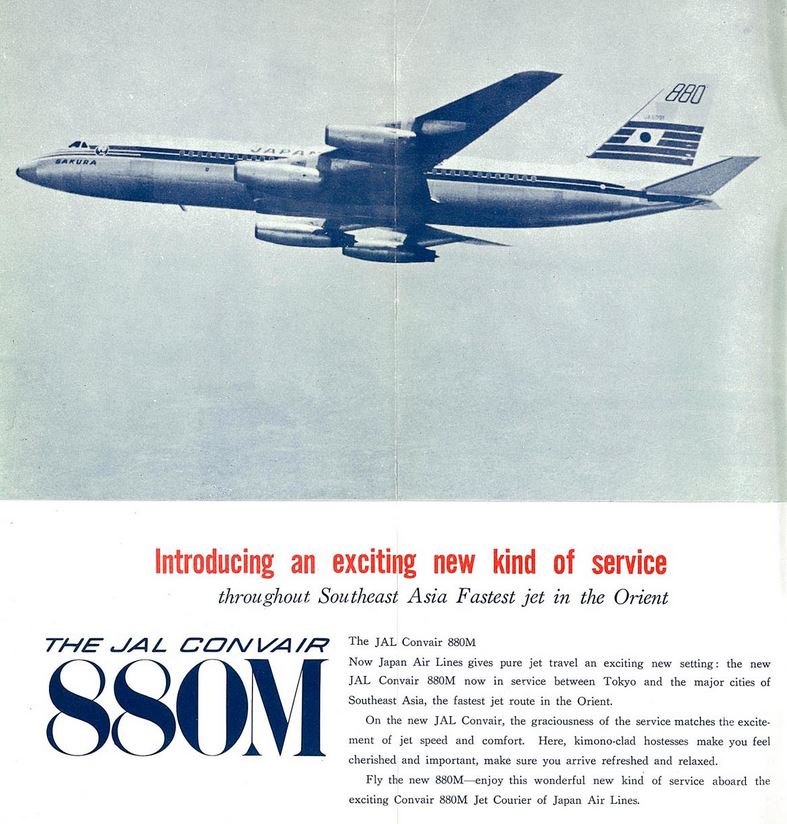
From the collection of Bjorn Larsson from timetableimages.com
Of course, air travel has changed in that time: what was once just a means to an end has evolved into an experience in itself, with in-flight services getting more elaborate year-on-year. “Safety is still number one,” states Ando Masato, who touched down in Jakarta as the airline’s Country Manager in 2025. He shares that being consistently on time and trustworthy remain a major priority for JAL, explaining that these are crucial, and often underrated factors of delivering comfort and convenience for passengers. As Japan’s national carrier, the airline certainly channels the ethos of a country that values timeliness.
This goes deeper than simply being a reliable airline, as reflected in a statement shared by Masato in January 2025. This outlined a shift in the values of JAL that recognises air travel as the ‘movement of people’ – with an emphasis on the people – where airlines play a central role in relationships, connections and quality of life on a global scale.

That being said, JAL has certainly developed their services to a premium level, rivalling the world’s top airlines in what is a highly competitive industry. In 2024, the airline received top recognition from the annual Skytrax World Airline Awards, winning first place in the ‘Best Premium Economy Class Airline Seat,’ ‘Best Premium Economy Class in Asia,’ and ‘Best Economy Class Airline Seat’ categories.
Much like with hotels, a passenger’s experience is not merely defined by facilities. Another way JAL channels the country’s heritage is by embodying the concept of omotenashi, which translates to a unique form of Japanese hospitality characterised by thoughtful and anticipatory service. This philosophy is deeply ingrained in the airline’s service culture, aiming to provide a comfortable and memorable experience. This is something Masato is deeply familiar with, having started as a flight attendant at JAL over 20 years ago. With Japan’s increasing popularity as a tourist destination, it makes perfect sense to introduce aspects of the culture into the flight experience.
On that note, JAL recently confirmed a unique business venture with Garuda Indonesia, addressing this massive rise in tourism. “Japan is experiencing overtourism in certain areas,” says Masato, noting how the ‘Golden Route’ of Tokyo, Kyoto and Osaka makes up for around 60% of tourism arrivals. “This leads to high accommodation prices and overcrowding in these cities.”

The new partnership with Garuda addresses this issue by offering new, seamless connections to 17 regional destinations in Japan, including Sapporo, Fukuoka, Nagoya, Okinawa, Hiroshima, and Kagoshima, to name a few. These domestic flights are operated by JAL and have been designed to entice travellers to expand their explorations of Japan, spread tourism and introduce new destinations. This was a major decision in JAL’s management plan, Masato explains, and is part of the company’s ESG vision. “We want to give more meaningful experiences and improve the lives of people,” he says.
The same is being offered locally in Indonesia too, with inbound JAL flights being connected to a network of domestic destinations operated by Garuda, from Banda Aceh and Balikpapan, Surabaya and Sorong. The expansion of these ‘codesharing’ flights covers over 34 routes in Indonesia and Japan.
Masato also notes Japan’s declining population, making it necessary that the airline looks to expand its overseas market. Other than travellers, the Japanese diaspora is also an important demographic, including Indonesia-based Japanese nationals making visits back to their home country.
Being asked on what he noticed about the Indonesian market, Masato recognised the particular ‘price consciousness’ of consumers. To address this, JAL has made key partnerships with banks to create regular Japan Airlines Travel Fairs, including recent events with Permata Bank in January and July 2025. These have been effective in penetrating the local market, especially with the craze of travelling to Japan currently booming in Indonesia.
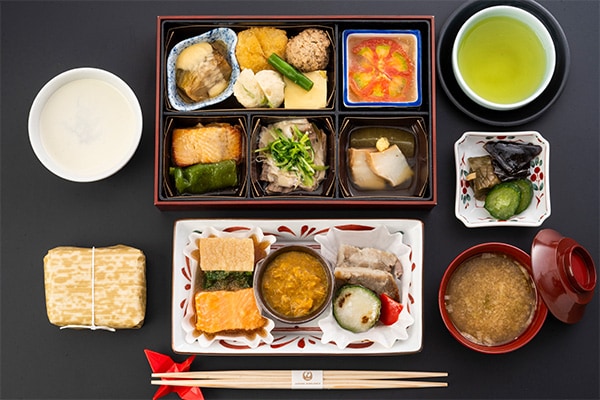
With Indonesia’s price sensitivity, JAL’s Premium Economy is perhaps the perfect way to elevate a travel experience. Spacious seats, extra legroom, special meals and lounge access are added luxuries without the price tag of Business or First Class: a great way to make special occasions that little bit more memorable.
JAL has made other accommodations for their Indonesian flyers, offering halal-certified meals from flights out of Jakarta (and Kuala Lumpur). Food is of course, an important pillar for the airline, being one of the many pulls for travel to Japan. As such, they have continuously collaborated with prominent Japanese chefs to curate their inflight dishes, promising passengers a taste of Japan, be it as an ‘appetiser’ for things to come en route to Tokyo, or as a great final meal on their way home.
For those who haven’t flown with Japan Airlines, Masato believes passengers will definitely appreciate the airline’s luxury feel and exclusivity, which has ensured their record of being certified as a ‘Skytrax 5-Star Airline’ for the 8th Consecutive Year.