


Tulisan’s 1830 exhibition is now open at Ruang Museum Koleksi, on the second floor of Gedung Trisno Soemardjo at Taman Ismail Marzuki, Jakarta. Running until 9 August 2026 with free public admission, the exhibition brings together a bilingual book, illustrated textiles and wearable artefacts that revisit the Java War and the life of Prince Diponegoro.
The year 1830 is central to the project, it was the year Prince Diponegoro was captured after the Java War of 1825–1830, paving the way for colonial control to spread across Java and later much of the Indonesian archipelago. The exhibition revisits this decisive moment and considers how its legacy still appears in Indonesia’s collective memory.
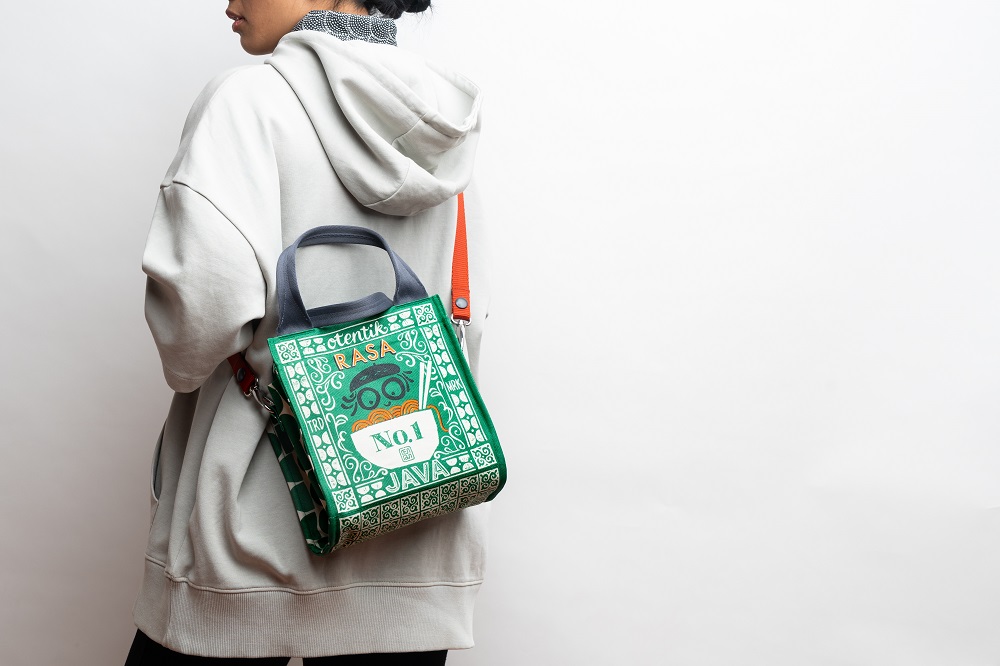
At its centre is 1830, a bilingual Indonesian-English book covering the final years of “Old Java” and the beginning of the colonial modern era. The story continues through Tulisan’s accompanying collection, with bags and other everyday pieces featuring portraits, archival references, plants, animals and reworked colonial imagery.
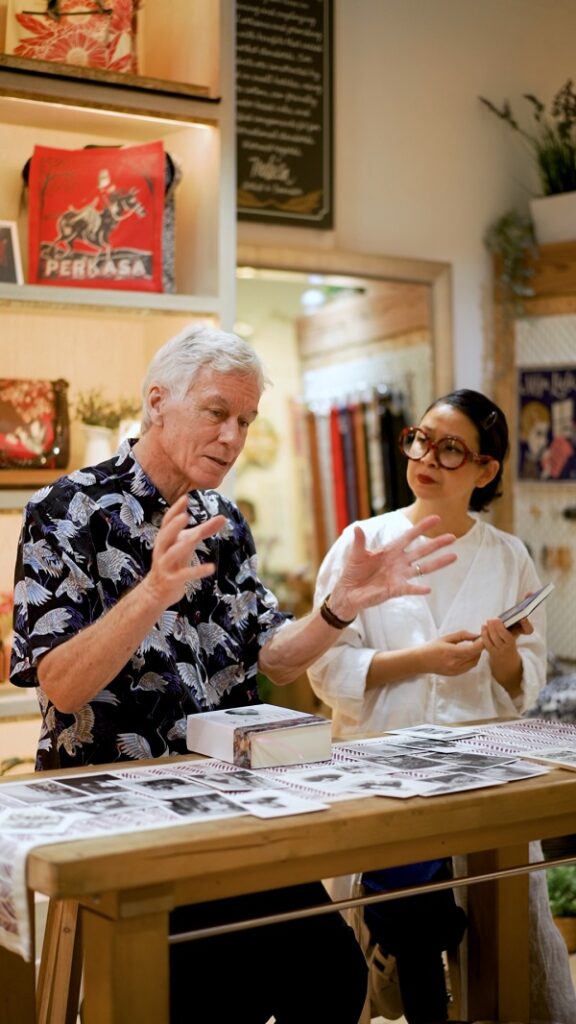
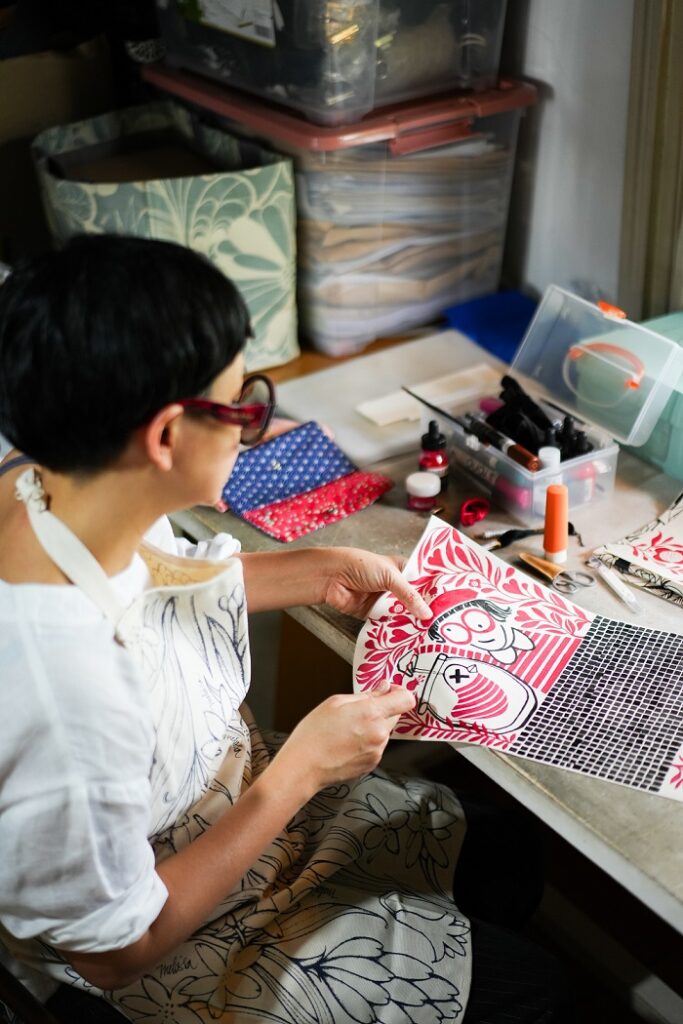
The project draws from the Babad Diponegoro, Prince Diponegoro’s autobiographical chronicle, which is listed in UNESCO’s Memory of the World Register. Illustration and textiles are used to carry these accounts into daily life, allowing history to be read, worn and shared rather than confined to an archive.
Visual artist and Tulisan founder Melissa Sunjaya developed 1830 with British historian Peter Carey, a noted biographer of Prince Diponegoro. Their collaboration uses everyday objects and popular culture to “reverse the gaze”, turning familiar Western visual codes into a platform for Javanese storytelling.
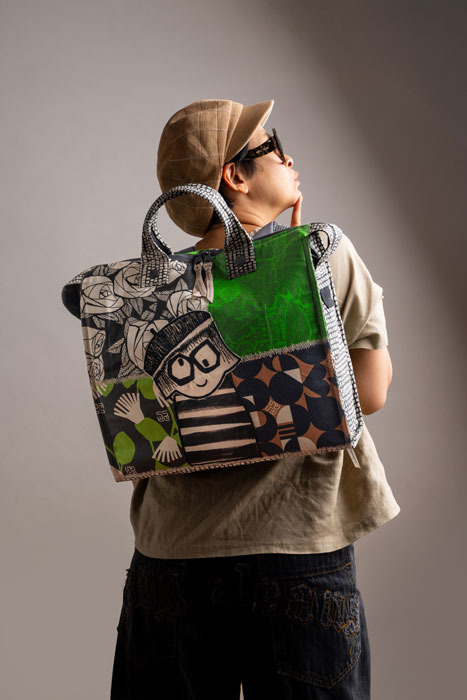
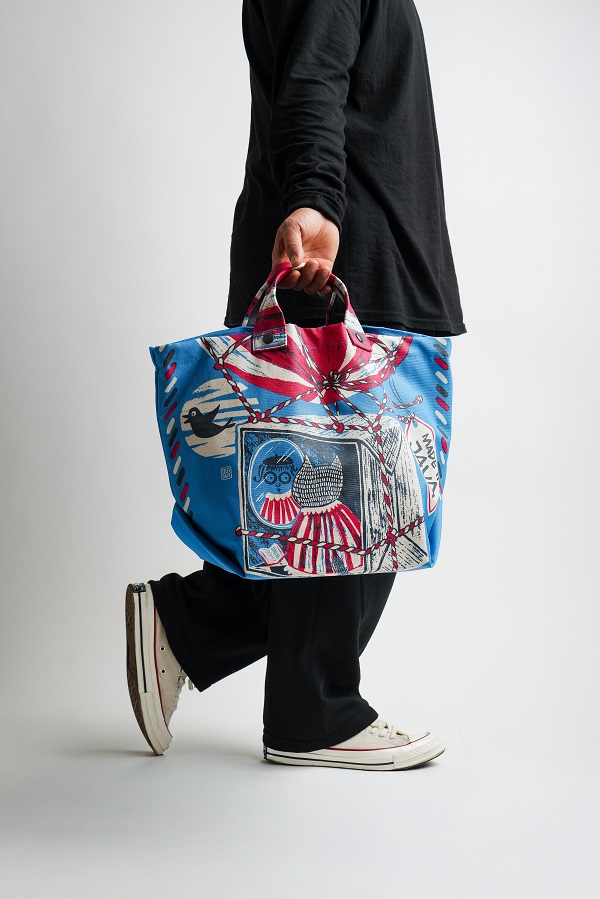
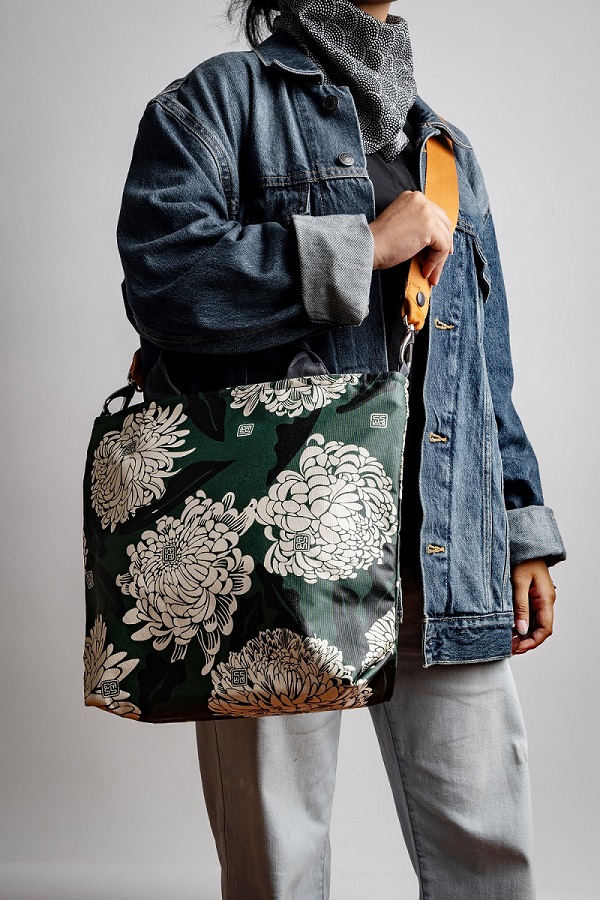
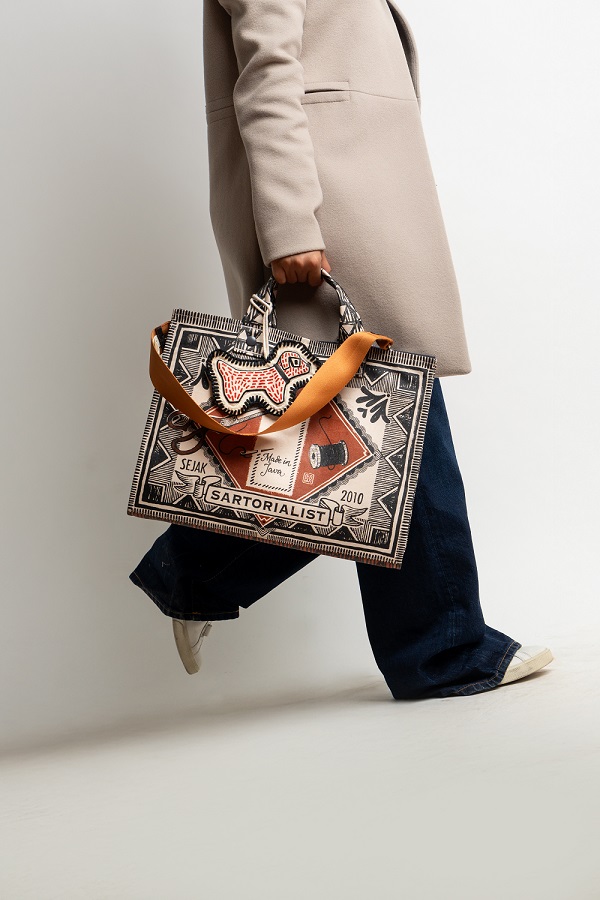
The collection features bags and other wearable pieces in a bold blue-and-cream palette, combining portraits of Prince Diponegoro with flowers, animals, stamps and reworked colonial-era imagery. The dense, almost collage-like prints turn each item into a portable piece of historical storytelling.
“With 1830, we aim to bring this story to the world because, as Indonesians, it is essential that we tell our own story,” the collaborators explain.
The exhibition is open from 11am to 8pm on 7 August and from 10am to 9pm on 8 and 9 August. Visitors have until Sunday evening to explore how a decisive year in Indonesian history has been translated into books, images and objects made to travel far beyond the gallery.