


Looking ahead at the cultural institution’s programmes this 2026.
Erasmus Huis was originally founded in 1970 on Jl Menteng Raya, Jakarta, with a strong emphasis on promoting Dutch language and culture, later relocating to the Dutch Embassy complex in Kuningan in 1981. Over the years, it has evolved into a dynamic, multi-disciplinary cultural centre presenting music, dance, exhibitions, film screenings and discussions, as well as collaborative projects between international and Indonesian artists.
As the cultural arm of the Embassy of the Kingdom of the Netherlands in Jakarta, Erasmus Huis has become an important meeting point for the two countries to connect, be it as artists and thinkers, or even simply as an audience looking to experience meaningful cultural exchange.
This year’s programme reflects a vibrant mix of activities that strengthen people-to-people ties while placing contemporary Dutch culture in dialogue with Indonesia’s rich artistic landscape.
The Netherlands–Indonesia relationship today is shaped not only by history, but by a shared commitment to creative dialogue. At Erasmus Huis, this exchange is visible across a wide range of programmes. From traditional dance and heritage practices to classical music, contemporary visual arts, DJ culture and interdisciplinary festivals, Dutch and Indonesian artists meet, create and perform together. Cooperation in design and the creative industries is also growing, linking architects, designers and creative entrepreneurs through shared interests in sustainability, craftsmanship and innovation.
A current highlight is the exhibition Rethinking Waste (Bukan Tentang Sampah), running from 5 February to 2 May 2026. Developed by Dutch and Indonesian designers, the exhibition explores Indonesia’s waste landscape through a central question ‘What if waste could improve life?’ It demonstrates how cultural collaboration can respond directly to environmental and social challenges.
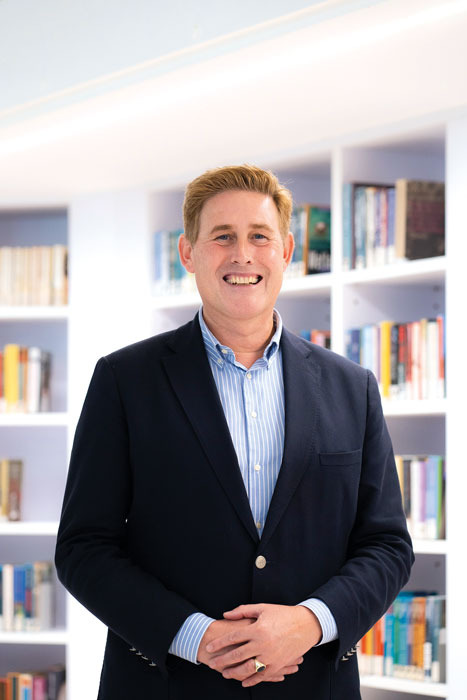
“Indonesian audiences value interaction, dialogue and recognition. Programmes that encourage exchange between artists and audiences, and among artists themselves, consistently generate the strongest engagement. Co-creation projects, where Dutch and Indonesian artists share the stage or studio, foster mutual learning and a sense of shared ownership.” said Erasmus Huis Director Nicolaas de Regt.
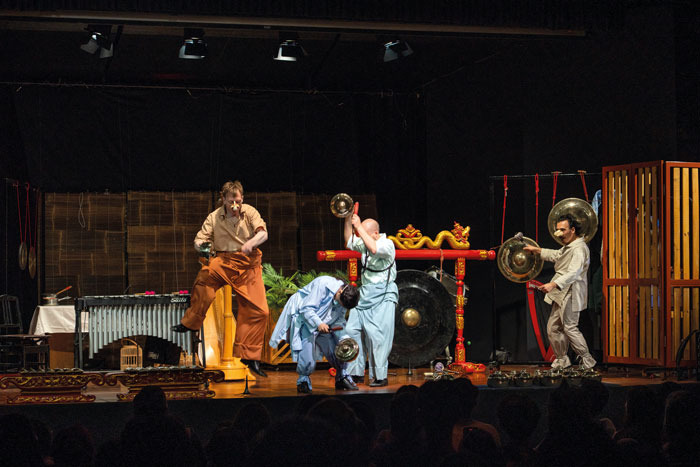
The 2026 programme opened with a lively DJ event featuring artists from both countries, including the first silent disco ever held in a library in Indonesia. In the months ahead, Rethinking Waste continues, while the renowned ensemble Holland Baroque will tour several Indonesian cities. Family film screenings begin on 7 March with Little Crumb: Race to the Gold Mine.
Inclusivity is central to Erasmus Huis’s approach. By listening to audience feedback and working closely with partners in the Netherlands, the centre ensures its programming remains relevant, accessible and engaging. This includes expanding their reach beyond Jakarta as well, with Dutch artists performing across the archipelago, strengthening cultural connections from Sumatra to Ambon.
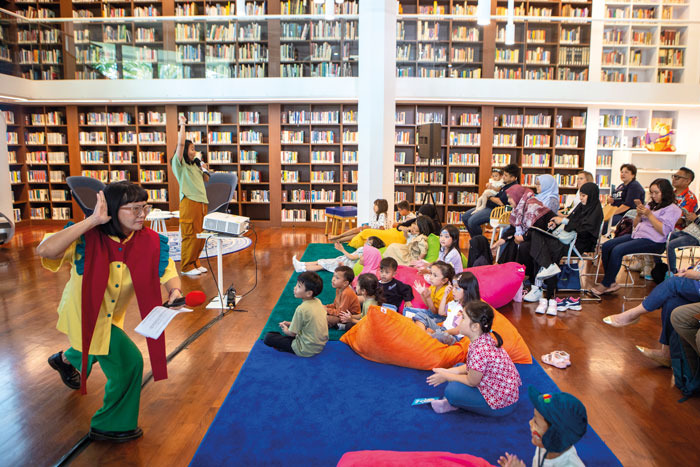
This year, audiences can also look forward to jazz, classical and soul performances, as well as exhibitions exploring Dutch gaming, shared heritage and archival themes. Events mainly take place at Erasmus Huis’ 350-seat multi-purpose auditorium or exhibition gallery; visitors are also welcome to explore a library of more than 15,000 books and magazines, or step into Warung Belanda, a meeting place for visitors serving light refreshments and specialty coffee.
Open Tuesday to Saturday, 10am to 4pm.
Jl. H.R. Rasuna Said Kav. S-3, Kuningan, Jakarta Selatan
@erasmushuis_jakarta
netherlandsandyou.nl