Celebrating its second anniversary, House of Tugu in Jakarta’s Old Town invites visitors to discover the beauty of Peranakan batik through an exhibition that brings together history, art and cultural heritage. Featuring works by seven batik artists from four cities, the exhibition explores how Chinese and Indonesian traditions have come together through batik, creating a distinctive art form that continues to be passed down through generations.
Presented in collaboration with Bentara Budaya Jakarta, Harmony in Diversity takes place from 5 to 12 November 2026 at House of Tugu, as part of the hotel’s second-anniversary celebrations.
More than a display of beautiful fabrics, the exhibition celebrates the way different cultures can live side by side and enrich one another. It offers a reminder that cultural differences are not barriers, but can become a source of creativity and shared identity.
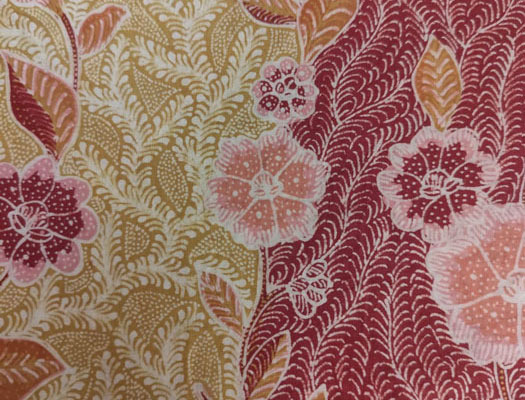
Peranakan batik began to develop in several coastal regions of the Indonesian archipelago, particularly from the 19th century onwards. As Chinese-descended communities became part of local society, their cultural traditions and artistic influences gradually found their way into the batik-making process.
The result was a distinctive style that blends Chinese decorative elements with Javanese batik techniques. Flowers and animals, including peonies and phoenixes, appear alongside traditional patterns, while bright shades of red, blue and gold give the textiles their characteristic appeal.
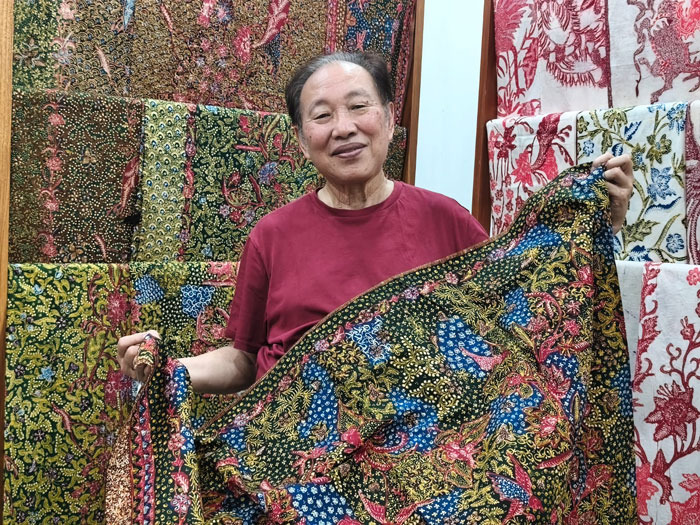
Over time, this meeting of traditions gave rise to a rich batik heritage that reflects Indonesia’s cultural diversity. It also shows how traditional art can continue to grow through the exchange of ideas and influences.
Through the works on display, visitors can appreciate not only the beauty of each textile but also the stories behind them. Every piece reflects a connection to history, family traditions, craftsmanship and cultural identity.
Bringing together artists from Jakarta, Cirebon, Pekalongan and Lasem, the exhibition presents different interpretations of Peranakan batik. The participating artists are Dave Tjoa (Jakarta), Indrawati, also known as Giok (Cirebon, West Java), Liem Po Hien (Pekalongan, Central Java), Valentina Ekawatiningsih (Lasem, Central Java), Sulistyono (Lasem, Central Java), Sri Soesilaningsih, also known as Mak Som (Pekalongan, Central Java), and Rudi Siswanto (Lasem, Central Java).
The exhibition is curated by Sri Rejeki, one of the coordinators of Kompas Daily’s Ekspedisi Selisik Batik, who has been involved in introducing Indonesia’s rich batik heritage to a wider audience.
Each artist brings a different style, technique and personal story to the exhibition. Their works show how batik artisans continue to care for traditional patterns while finding ways to express their own creativity. This balance between preserving the past and welcoming new ideas is essential to keeping the craft alive for future generations.
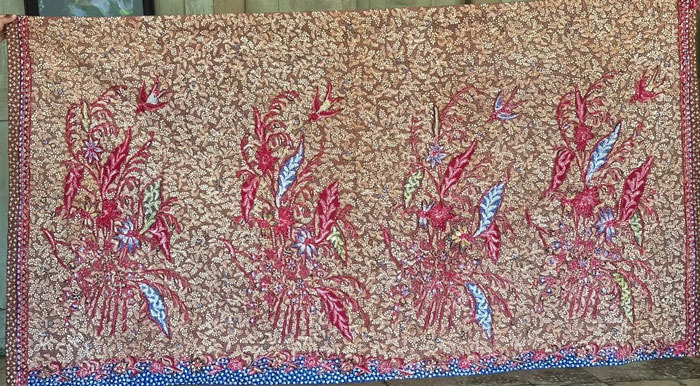
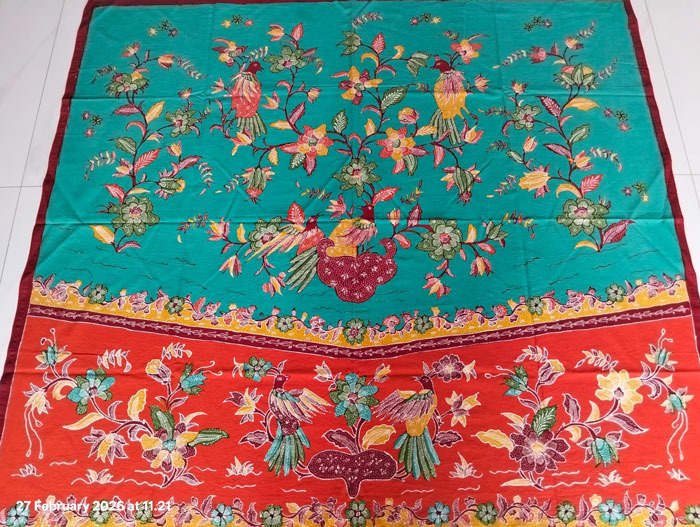
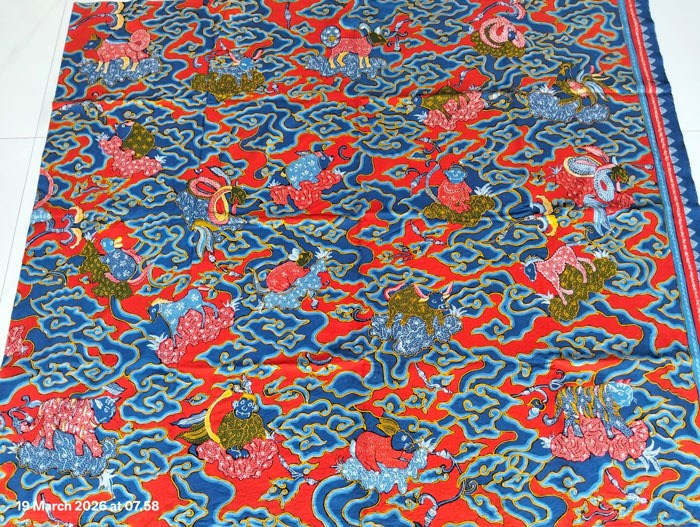
One example is Sulistyono, an eighth-generation member of the family behind the Batik Nyah Kiok workshop in Lasem. Through his work, he gives fresh interpretations to traditional motifs such as Gunung Ringgit, Burung Hong (phoenix), Buketan (floral arrangements) and Tokwi, a square batik cloth traditionally used to cover altars, often featuring tiger motifs in the Lasem style.
Visitors can also discover coastal-style batik motifs by Liem Po Hien of Batik Lim Ping Wie in Pekalongan, Central Java. With more than 20 years of experience in Indonesian wastra (traditional textiles), he is dedicated to preserving the tradition of batik tulis (hand-drawn batik) in the coastal region.
The exhibition also features works by Indrawati, known as Giok, a fourth-generation batik artisan from the Kanoman Batik tradition in Trusmi, Cirebon. Her family has an important place in the history of Cirebon batik. In 1934, her father, Gouw Tjin Lian, became the only person of Chinese descent to receive permission to create batik featuring keraton (palace) motifs. This tradition was passed down to his children, including Indrawati, who will present works highlighting Cirebon’s distinctive batik patterns.
Alongside the exhibition, visitors can enjoy a series of activities that offer further opportunities to discover Peranakan batik. The programme includes the exhibition opening on 5 November, a Peranakan Batik Bazaar from 5 to 8 November, Peranakan Afternoon Tea from 5 to 12 November, a batik workshop on 6 November, a talk show on 7 November and an Urban Sketchers gathering on 8 November 2026.
These activities bring together artists, batik enthusiasts, creative communities, travellers and the wider public to share their interest in this traditional craft. The bazaar also provides an opportunity to support local batik artisans and small businesses that continue to keep the tradition alive.
Through Harmony in Diversity, House of Tugu celebrates Peranakan batik as more than a form of artistic expression. It is a living record of cultural exchange, showing how different traditions can come together and create a heritage worth preserving.
House of Tugu, Old Town Jakarta
Jl. Kali Besar Barat No. 26, West Jakarta
+62 8118711248
houseoftugu@tuguhotels.com
@houseoftugujakarta
tuguhotels.com