




How ‘Climate Action 101’ bridges global challenges with local contexts. I Illustration by Diva Mizanni, Mutia Rafidianti, and Rashad Dhewanto
Have you noticed how children are increasingly complaining that “it’s too hot,” even before breakfast? This seemingly small grievance may not just be morning grumpiness, but a sign that the effects of climate change are creeping into family life.
Think back to the last time rainfall turned Jakarta’s streets into urban rivers (which happened just recently), flooding brought traffic to a standstill, or a heatwave left you drained halfway through your day. Then come the flood alerts pinging in WhatsApp groups, rising produce prices following extreme weather, and harrowing images of natural disasters inundating our social media feeds. These added frustrations invading our routines are a stark reminder of how climate change can have a direct impact on daily life.
For parents, the true challenge lies not in recognising these changes but in explaining them to our children in ways that are clear, engaging, and hopeful.
“Climate Action 101,” created by Nadia Habibie and Aufar Satria with Adinda Olivia as Managing Editor, aims to do just that. Drawing on policy experience, research, and editorial creativity, the open-access publication makes climate science accessible, relatable, and actionable, allowing young readers to grasp the complexities of climate change and view themselves as part of the solution.
How It Started
The idea for “Climate Action 101” germinated out of genuine conversations and everyday experiences. At the time, Nadia was advocating for the adoption of electric vehicles and co‑founding the Indonesia Sustainability Forum as secretary of the Executive Board of the Habibie Centre. Her research into the topic inspired her and Aufar to read Bill Gates’ “How to Avoid a Climate Crisis.” Their thoughts?
“This is fascinating, but Indonesia has its own story, its own solutions.”
For Nadia, the urgency is personal, emphasising that young people would live with the consequences.
“We’re the ones who will bear the brunt of climate change because we have many more years ahead.”
That sense of responsibility fueled her commitment to youth‑focused climate education.
While Nadia was powering ahead, Adinda brought a different kind of energy. She sees herself as a translator who turns complicated ideas into something digestible and interesting. For her, the project was born from keresahan, a restlessness that wouldn’t allow her to stay still. With Adinda guiding the tone, the team created a book that blends research with storytelling and illustrations.
“We wanted it to feel like a friend explaining things, rather than a textbook lecturing,” she explains.
That flame became “Climate Action 101.” What makes this book particularly unique is that it’s an amalgamation of research and voices from young people across diverse backgrounds, united to reshape the urgency behind climate change into a shared goal—more like an adventure for the entire family than a daunting deadline.
Meet the Characters

To root the issue in reality, the book introduces three main characters with whom readers can easily relate. Susi is the activist shaped by the sea. A Buginese youth from South Sulawesi who grew up witnessing the stark consequences of coral bleaching and dwindling fish stocks, she is studying marine science in Bandung and leads a youth group for ocean advocacy.
“Susi represents the voice of coastal youth who see the ocean changing before their eyes,” Nadia explains. Nabil is the metropolitan commuter, a Jakarta professional who once ignored climate issues but now finds smog choking his morning runs, heat driving up his electricity bills, and traffic jams forcing him to reflect on how the city has changed.
Adinda describes him as “the everyday Jakartan, busy, connected, but suddenly realising that climate change is no longer a distant problem.”
Lily is the community guardian, a teacher in Ternate and the first in her family to graduate from university. She treasures her neighbours’ resilience yet sees rising seas and harsher storms eroding their way of life. She is determined to protect her community and inspire her students.
Nadia adds: “Lily shows how climate change is felt in smaller communities, where resources are limited but determination is strong.”
These three archetypes shed light on climate change by illustrating how it is perceived through different perspectives. Each character serves as a mirror, allowing readers to see themselves and their communities in their stories.
“Everyone can identify with one of them,” Nadia says, “and realise they, too, can act.”
“Think of it like picking your player in a game, “she adds. “Whichever one you choose, you’re still in the fight.“
Goodbye Anxiety, Hello Action

Climate anxiety is real, and even children feel it when they hear their parents talk about recent natural disasters or see alarming images of them on social media.
“We feel anxious when we are flooded with a lot of information but don’t know what to do,” Nadia says. “The best way to tackle this is to spread awareness and show people that the power is within them to take action.”
This is why “Climate Action 101” is packed with practical steps, assuring young readers that they can start small: bring a water bottle to school, take the MRT or TransJakarta, carpool with friends. These steps build toward bigger commitments, like urging people to recycle more, joining local eco-movements, or even advocating for policy changes.
“At the heart of climate anxiety, we hope the book can serve as a call to action,” Adinda explains. “It lays out what people can do, from very small steps to structural changes. Everyone has a role.”
The book emphasises that action doesn’t have to feel overwhelming. It acknowledges everyday realities and urges families to discuss them candidly, such as the concept of budgets and how green choices can help cut costs by saving fuel.
Nadia points to the power of consumers, who can choose to support sustainable products and electric vehicles, or refuse single‑use plastics. She also explains the idea of “green premium,” which is the added cost often attached to sustainable products, and how more thoughtful, forward-thinking policies can help shrink that gap.
Climate Action Starts at Home
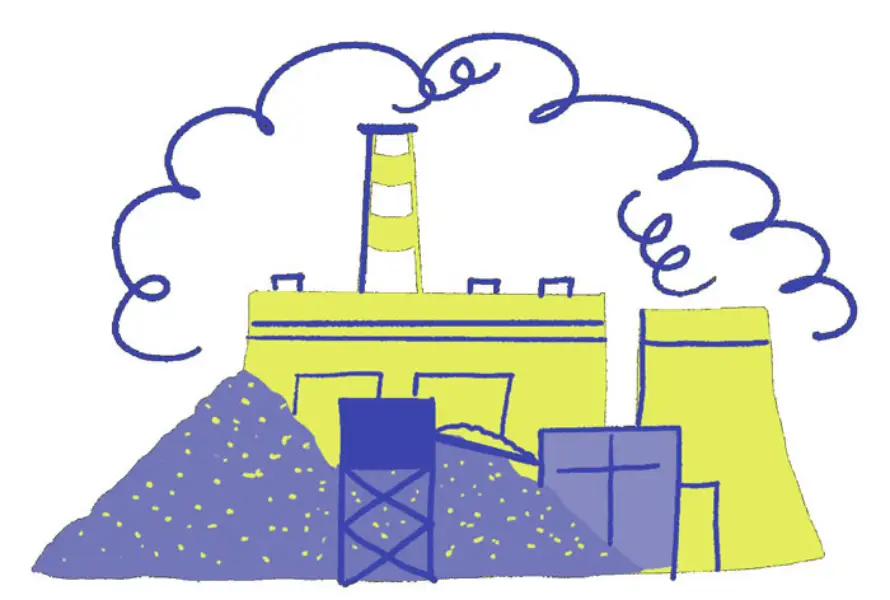
Even conversations at home can contribute to solutions. As a mother, Nadia has noticed how sustainability often aligns with everyday economics: carpooling saves fuel, bringing your own reusable water bottle saves money, and declining to use plastic bags avoids extra charges. Adinda has seen similar engagement from parents who purchase climate-related books for their children and use them to spark conversations around the dinner table. Climate action, in other words, begins with family habits.
The book gradually zooms out to present the bigger picture of how neighbourhoods, cities, and governments work to achieve sustainability. For families in Jakarta, climate action is becoming part of everyday life. Between work deadlines, bills, and traffic jams, parents are discovering that sustainable choices are not only good for the planet, but they can also make family life easier. The book then widens its lens even further to address Indonesia’s challenges, from expanding public transportation to balancing economic growth with environmental responsibility.
Progress, however, doesn’t happen overnight, and not every community can afford high‑tech solutions. “Climate Action 101” steers readers toward what’s possible. According to The Global Carbon Project, the world emitted 41.6 billion tonnes of CO₂ in 2024.
Nadia warns that “policies are sliding back to fossil fuels. If we don’t act, emissions will rise. That’s why youth voices matter—to push for green initiatives.”
Adinda closes with a reminder that change works best when it is collective.
“Hopefully, this becomes communal; not just individuals acting alone, but families, schools, and communities moving together.”
Parents can keep it playful, turning grocery shopping into a challenge as children look for products made up of less plastic. The message is empowering: You don’t have to be older or wealthier to make a difference.
A Shared Story of Resilience
All of these threads—the inspiration drawn from government halls, the relatable archetypes, the practical steps for families, and the economic realities—come together in one clear message: Climate action is part of daily life. At the core are three essential values: mindfulness, empathy, and a problem-solver mindset.
Mindfulness is all about being aware of the small choices that help protect our planet, from taking public transportation to finishing our meals. Empathy asks us to recognise that climate change affects people differently and have the compassion to stand up for those with fewer resources.
Meanwhile, a problem-solver mindset encourages families and communities to seek out innovative solutions, whether it’s reducing waste at home or imagining new ways to power the future. Together, these values transform climate action from a far-off, abstract concept into daily practices woven into family life.
So, the next time your family gathers over nasi goreng (fried rice) at breakfast or bedtime chats after homework, let climate action slip naturally into the conversation. Children may laugh about whether they relate more to Nabil or Lily, or whether they share Susi’s activist spirit. Parents may joke about tote bags becoming the latest family fashion item. What matters most is the shared energy of doing something together.
“Climate Action 101” turns climate change into a journey for the entire family—one that begins at home and grows into a larger movement. Years from now, these conversations may be remembered as the spark that helped reshape Indonesia’s climate story, from the commuter in Jakarta and the guardian in Ternate to the activist shaped by the sea.
Climate Action 101 was published in English and Bahasa Indonesia. For more information visit habibiecenter.or.id or follow @habibiecenter