


Despite its image as a thriving trading centre for affordable electronic goods and authentic Chinese cuisine, Glodok has long attracted visitors fascinated by its Chinese medicine shops situated along Jl. Pancoran. People come in search of herbal remedies traditionally prepared by Chinese healers that are believed to offer effective alternative treatments for various ailments.
Recognised as Jakarta’s Chinatown, Glodok in West Jakarta has a deep-rooted history dating back to the colonial era. Following the massacre of thousands of Chinese immigrants in November 1740, the Vereenigde Oostindische Compagnie, or VOC, designated Glodok as an isolation area for the Chinese community in Batavia (now Jakarta). Despite its troubled origins, Glodok evolved over the centuries into a lively cultural and commercial district that continues to play a significant role in shaping Jakarta’s multicultural identity.
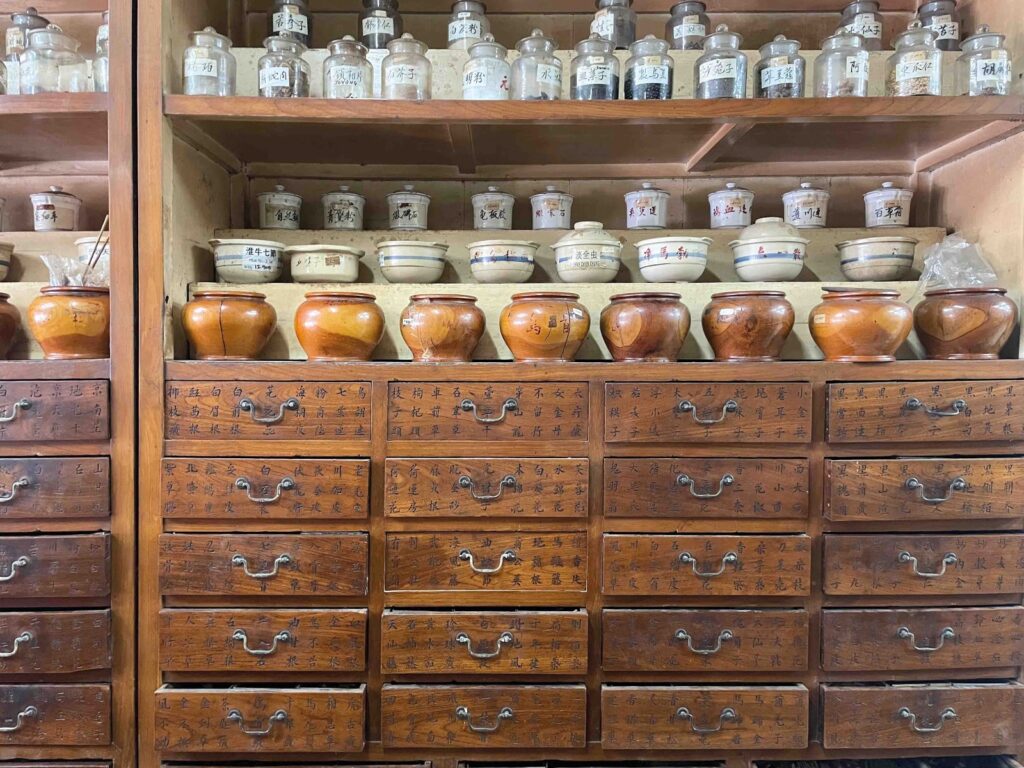
Just across the iconic Chinatown gate on Jl. Pancoran, to the right and in line with the famous Pantjoran Tea House, a cluster of old Chinese medicine shops continue to operate as they always have, echoing the legacy of traditional healing. It’s a destination for people travelling from across Jakarta to buy dried herbs, plants, bark, and animal parts with one belief: getting healthy.
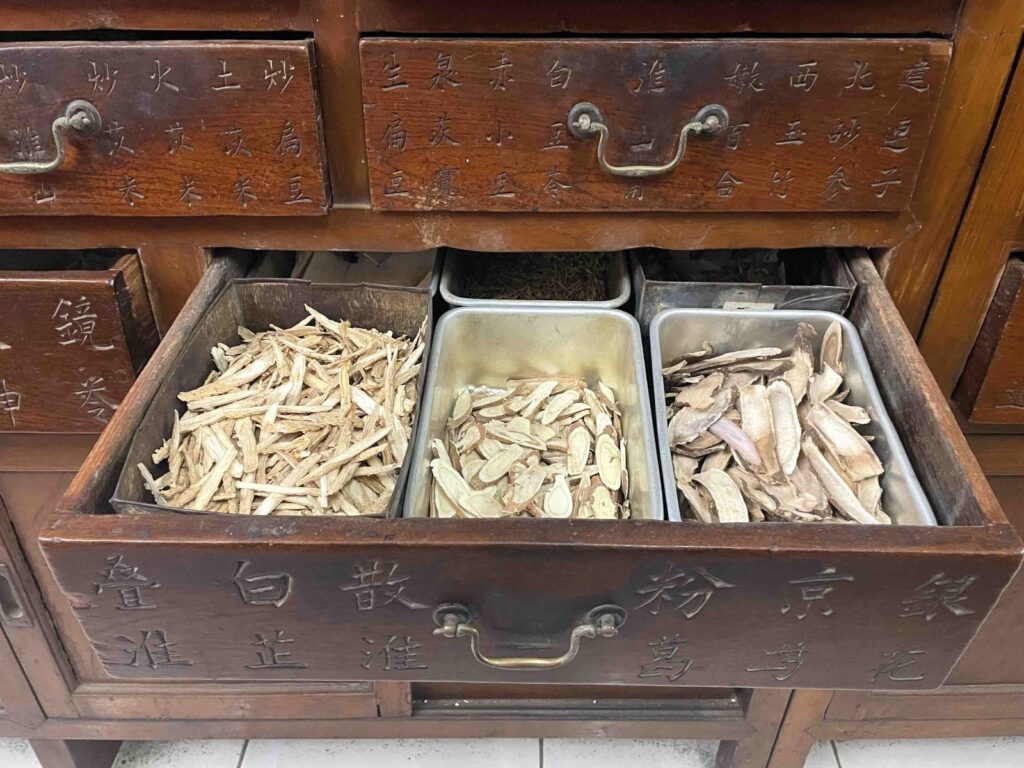
Before the spread of modern health care in the country, the Indonesian people had long used indigenous or various traditional healing methods both native to Indonesia and from abroad, including China. Having evolved over several thousand years, traditional Chinese medicine was openly welcomed as established, time-honoured treatments passed down from generation to generation. Apart from that, however, traditional Chinese medicine is similar to its Indonesian counterpart.
Traditional Chinese medicine is rooted in the belief that all processes in the body relate to and interact with the environment; therefore, illnesses are caused by disharmony between the environment inside and outside a person’s body. Symptoms of this imbalance are used to understand, treat, and prevent illness. The theories used in treatments are based on philosophies like Yin-Yang, the five elements (Wu-Xing), the system meridian human body (Jing-Luo), the organ theory of Zang Fu, and others.
Oriana, the fourth-generation proprietor of the Glodok-based Chinese medicine shop Ban Seng, spoke to NOW! Jakarta about the respected tradition in more detail.
“Traditional Chinese medicine does not contain any chemicals. It’s very similar to Indonesia’s jamu [traditional herbal drinks], but Chinese medicine was researched thousands of years ago while Indonesia’s lacks research and development,” she explained. “For example, jamu is made of spices. We don’t know what’s inside in Kalimantan’s forests—there hasn’t been much research on that. Meanwhile, Chinese herbal medicine and traditional treatments are well-researched and widely used even for new diseases, such as COVID-19.”
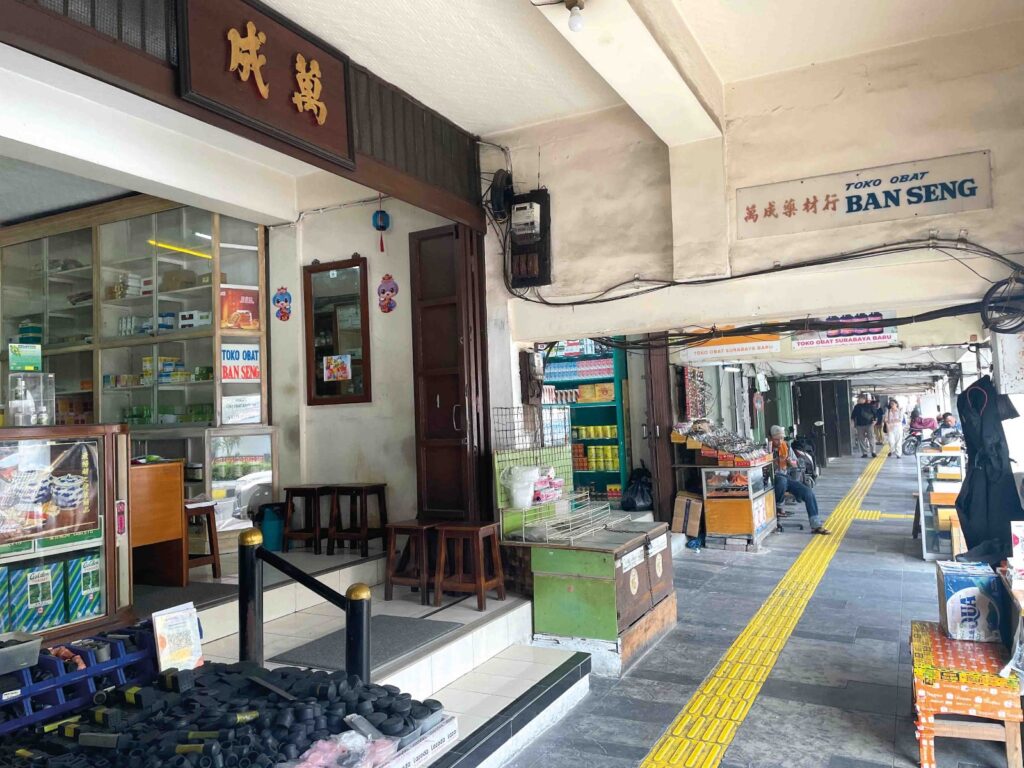
Ban Seng has been a Glodok mainstay since 1933, when it first opened its doors. Most of the Chinese medicine shops on Jl. Pancoran were established in the Dutch colonial era and are now run by third-or fourth-generation owners. Oriana conceded that her father had urged her to continue the business, which had been pioneered by her great-grandfather. This led her to study Chinese medicine in Beijing to understand the associated practices and preserve her family’s heritage.
Ban Seng’s neighbours, such as Tay Seng Ho, Bintang Selatan, Berlian Baru, and Hauw Hauw, also continue to regularly receive visitors and patients. Despite the spread of modern pharmaceutical medicines and various government regulations, they continue doing the best they can survive.
“We face many challenges maintaining this shop because times have changed a lot. The number of shops that are still open has also decreased, and business goes up and down. We used to be open until 9pm, now we are open until 5pm,” Oriana explained. “It used to be easier bringing in goods from China than it is now. And many Chinese medicines come from natural sources that are rare and protected. For example, a popular treatment for internal diseases is rubbing arak that contains tiger bones. Or to help cancer patients alleviate hot flashes after chemotherapy, they can consume mountain goat, one-horned rhino, or bear bile. But these animals are protected, so we can’t sell medicine with those ingredients anymore.”
Oriana noted that Glodok’s Chinese medicine shops have seen a decline in activity over the past two years due to many reasons, including the aforementioned difficulty of importing rare ingredients into Indonesia. She is also concerned about the current generation being less aware of traditional medicines and believing more in viral health tips spread on social media—even though they are exaggerated and not necessarily true.
“Chinese medicine is very different from Western medicine. In Western medicine, anyone can just take a headache tablet to relieve a headache. In Chinese medicine, even if person A and person B have headaches, they may not be able to take the same medicine, because their Yin and Yang are different. So, it is necessary to see a sinshe [Chinese healer],” Oriana elaborated.
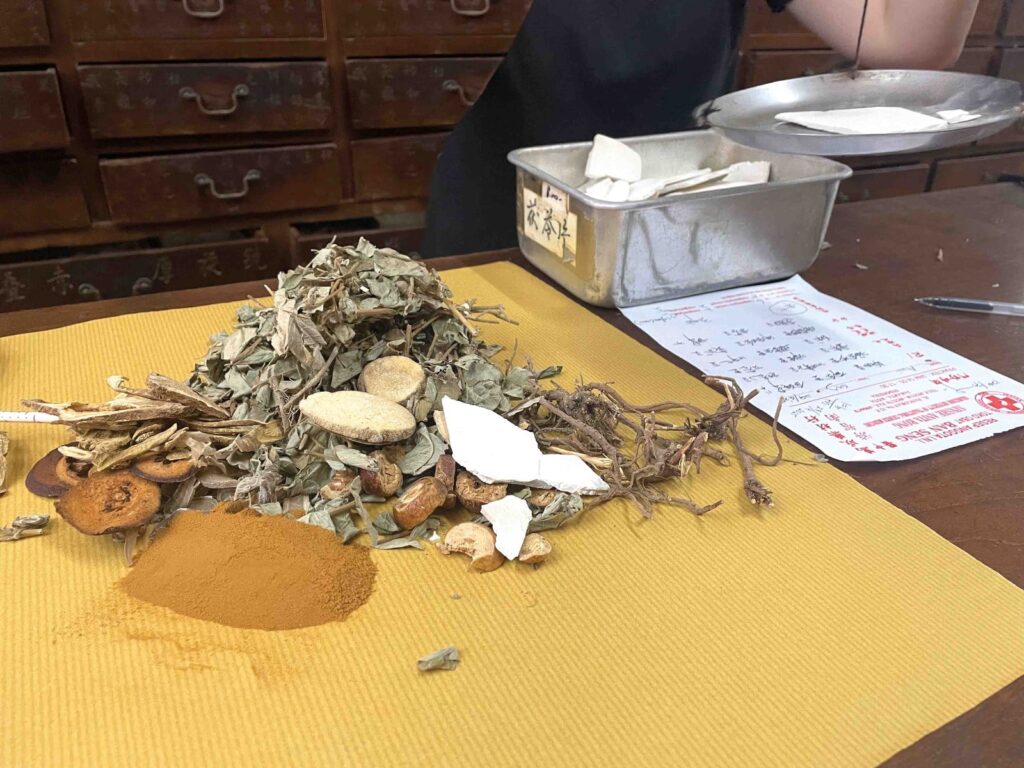
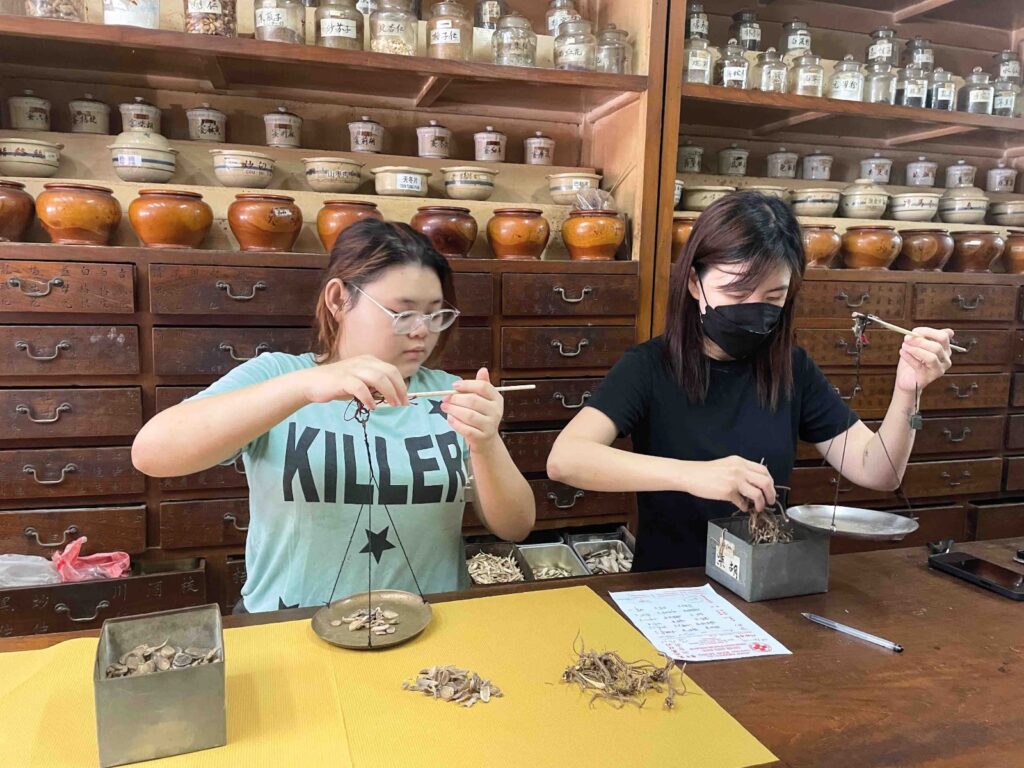
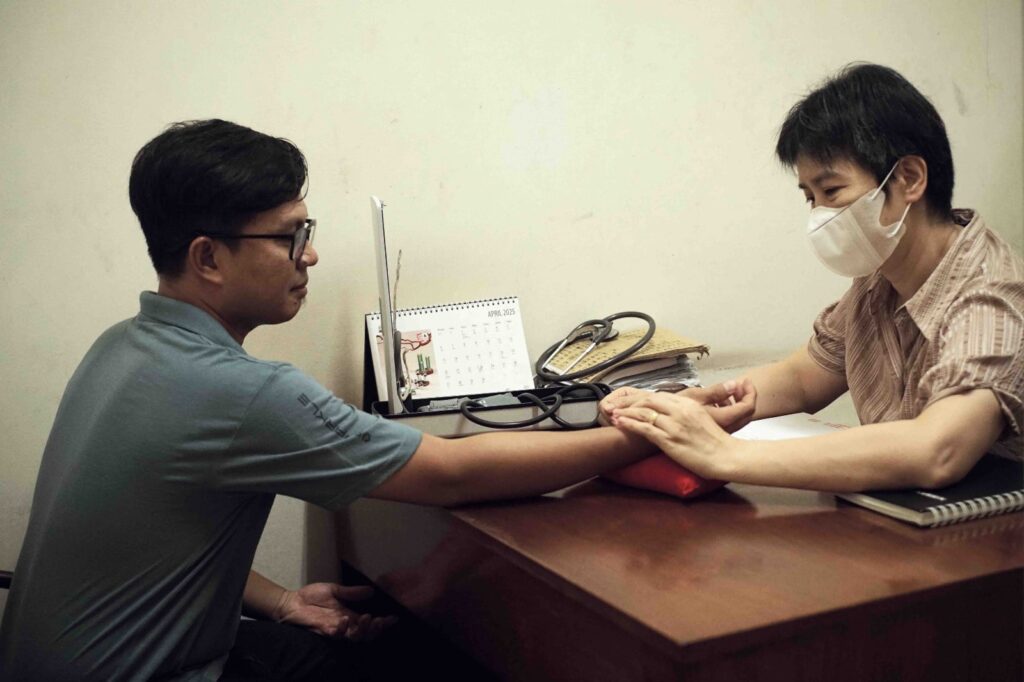
Ban Seng offers the services of two sinshe: 90-year-old Suryanto, who charges IDR 150.000, and Chinese-native Anita, whose rate is IDR 250,000. A typical consultation at Ban Seng starts with the sinshe interviewing the patient about their symptoms before checking their pulse. Patients can also show the sinshe their blood test results if they have them. After the examination, the sinshe will prescribe medicine made from a combination of ingredients blended by the shop’s pharmacist, who follows a book of recipes that has been passed down for generations, or from sinshe to sinshe.
One such recipe is Ciak Po, a mixture of Chinese herbs and spices believed to treat various ailments. Ciak Po is also a vitamin that neutralises any remains of the illness in the body and prevents it from relapsing. Mixing Ciak Po, a process the patients are allowed to observe, requires at least 14 Chinese spices or ingredients that are weighed with a chien (medicine scale).
“How does Ban Seng survive? Our answer is that we always maintain honesty in many aspects. We do not sell fake or illegal medicines, and we build very good relationships with our patients. We are able to treat man of the patients who come here, then they return with their children and grandchildren. If the original Mandarin recipe for a specific remedy requires 20 ingredients, we use them exactly as they are written—not less, not more,” Oriana said.
Toko Obat Ban Seng
Jl. Pancoran Raya No. 32E, Glodok, Jakarta Barat
+62 21 692 9128, +62 8138 1471 596 (WhatsApp)
Open Monday to Saturday, 9am to 4.30pm; closed on Sundays and public holidays