
History & Heritage
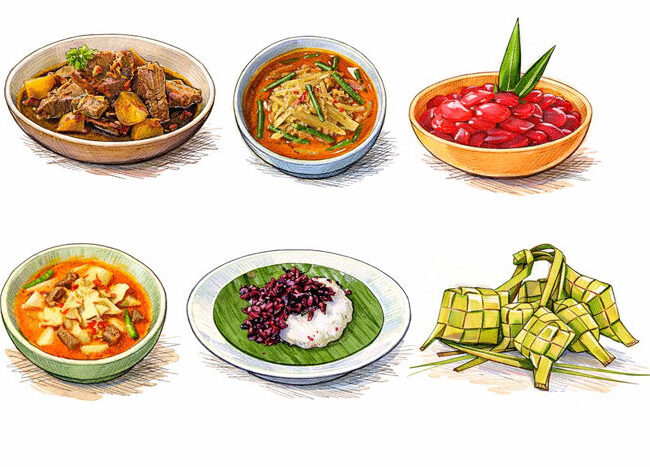
The Rich Flavours of a Traditional Betawi Lebaran
For the Betawi people native to Greater Jakarta, Eid al-Fitr is a meaningful time dedicated to celebrating the spirit of togetherness, strengthening connections, nurturing ties between neighbours, and preserving their cultural identity through long-held traditions. Shared customs that spotlight the rich Betawi culinary heritage are especially beloved. For the communal buffalo-sharing ritual Andilan Potong Kebo,
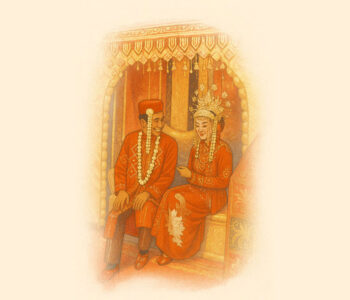
Tata Rias Besar: Traditional Betawi Wedding Attire
Betawi culture has long been shaped by diverse influences dating back to the colonial era. This multicultural heritage is clearly reflected in its traditional wedding attire, which blends European, Arabic, and Chinese elements into a distinctive and vibrant visual identity. A traditional Betawi wedding is an extended celebration filled with joy, music, and lively customs.

Gabus Pucung: The Dish That Binds Betawi Families
This traditional Betawi dish takes its name from its two key ingredients: gabus (snakehead fish) and pucung, the seed of the kepayang tree. Once a common meal in the swamps and rice paddies of old Jakarta, gabus pucung today is often prepared for special occasions and cherished as a symbol of friendship and togetherness. The

Tari Cokek: A Cultural Fusion of Dance and Heritage
Tari cokek (cokek dance) represents a rich cultural journey rooted in the traditions of the Peranakan Chinese community in Tangerang, Banten province, and Jakarta. Once a sacred ritual performed in temples, this dance has evolved into a vibrant social and artistic expression that continues to reflect Indonesia’s dynamic multicultural spirit. Tari cokek evolved from a

Setu Babakan Betawi Cultural Village: An Oasis of Living Culture
Setu Babakan Betawi Cultural Village doesn’t merely display traditions, it brings them to life. Here, Jakarta residents and visiting tourists alike can witness the Betawi way of life, traditional performances, savour authentic cuisine, and experience the daily rhythm of Jakarta’s indigenous culture. Setu Babakan Betawi Cultural Village is found in Srengseng Sawah, set beside an

Pangsi: The Traditional Betawi Men’s Attire
Pangsi is a traditional male attire that consists of a plain, loose-fitting shirt and oversized ankle-length pants. While similar garments are worn across various Indonesian cultural groups including the Sudanese and the Malay, the Betawi Pangsi stands out with its own diverse philosophy, heritage and symbolism that embodies the modest practicality of the Betawi people,

A Peek Inside Glodok’s Traditional Chinese Medicine Shops
Despite its image as a thriving trading centre for affordable electronic goods and authentic Chinese cuisine, Glodok has long attracted visitors fascinated by its Chinese medicine shops situated along Jl. Pancoran. People come in search of herbal remedies traditionally prepared by Chinese healers that are believed to offer effective alternative treatments for various ailments. Recognised

Sweet Betawi Bites
The northern Javanese coastline that Jakarta calls home was once rich with coconut trees, which has become reflected in traditional Betawi cuisine. For centuries, the Betawi people used what was abundant in their surroundings for nourishment, finding many ways to use but a handful of ingredients in creative and resourceful ways. With simple ingredients like

Kembang Kelapa: Betawi’s Token of Prosperity
Literally translating to “coconut flower,” kembang kelapa is a classic Betawi decorative element, a symbol of blessings, prosperity, and respect for tradition. Jakarta residents might frequently encounter this decorative item without knowing its name. Brightly coloured and crafted from paper or other lightweight materials, it is shaped to resemble the blossoming of a coconut flower.
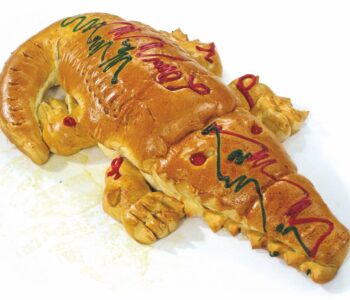
Roti Buaya: A Symbol of Loyalty
In the traditional Betawi wedding ceremony, it’s mandatory for the prospective groom to bring roti buaya (crocodile-shaped breads) to the prospective bride as a symbol of everlasting love and marital fidelity. The existence of this symbol was influenced by Batavia’s topography and European culture. The Europeans who settled in Batavia (Jakarta) undoubtedly influenced the local
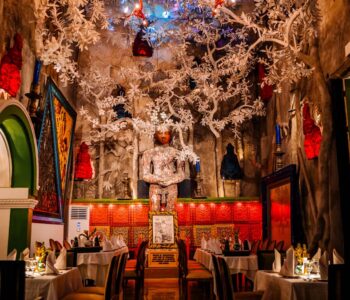
Enter the House of Tugu, Old Town Jakarta
Transcending the very notion of a hotel, House of Tugu, Old Town Jakarta invites guests to explore an almost other-wordly realm, defined by timeless artefacts, art pieces and antiques rooted in Jakarta’s own rich history. Standing across the banks of Kali Besar, in the true historical heart of the city, House of Tugu, Old Town

The History Beneath Our Feet
The intriguing historical discoveries uncovered during MRT Jakarta construction Phase 2A. Remnants of Jakarta’s colonial history, from when it was known as Batavia, have been hiding beneath the surface of the megacity we know today. Dutch infrastructure and historic artefacts from 300 years ago have been rediscovered during the excavation process for the MRT Jakarta

Museum Nasional Indonesia Rises from the Ashes
After a year-long closure, Museum Nasional Indonesia (MNI) was officially reopened on 15 October 2024. Having undergone substantial renovations, the museum reopens with modern appeal, complete with fresh new archives and displays, as well as interactive and educational programmes promising an engaging experience for visitors. On 16 September 2023 at 7:58 pm, a fire caused

