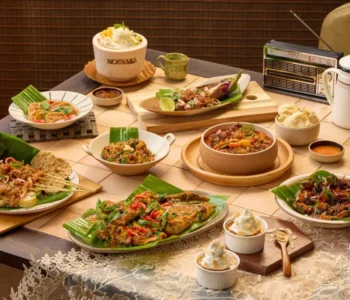




This traditional Betawi dish takes its name from its two key ingredients: gabus (snakehead fish) and pucung, the seed of the kepayang tree. Once a common meal in the swamps and rice paddies of old Jakarta, gabus pucung today is often prepared for special occasions and cherished as a symbol of friendship and togetherness.
The dish features tender gabus simmered in a thick, savoury, and mildly spicy black sauce, reminiscent of East Java’s signature rawon. Its distinctive taste and dark colour come from pucung, otherwise known as kluwek, the essential spice that defines the dish. Traditionally, Betawi families enjoyed gabus pucung with warm rice to balance the savoury, slightly bitter taste, complemented by red chili sambal and fresh vegetables.
In earlier times, gabus thrived in the wetlands of Jakarta, providing an affordable source of protein, while pucung trees grew abundantly along the Ciliwung River and in village yards. This natural abundance gave rise to gabus pucung becoming a household staple. Today, however, as swamps and paddies have given way to urban development, the dish has become increasingly rare. Gabus is now sourced from the outskirts of the city at a relatively high price, and restaurants serving it within the city are few and far between. It’s now easier to find the dish in areas such as Pondok Cabe, Pamulang, Ciputat, Sawangan, Parung, Bekasi, Bogor, Tangerang, and Depok.
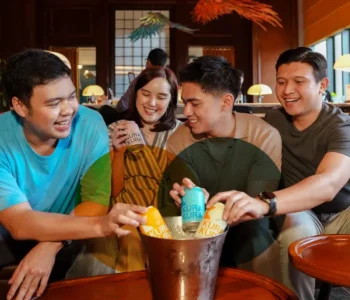
Recognised as one of Indonesia’s 96 cultural heritages and one of only eight originating from Jakarta, gabus pucung is more than just a culinary specialty; it is woven into Betawi traditions. One such custom is nyorong, which literally means “to deliver or give.” In this practice, food is sent from children to parents or exchanged between in-laws as an expression of respect and affection. Gabus pucung often plays a central role in these exchanges, particularly before the month of Ramadan, during Eid al-Fitr, or at family gatherings as a symbol of silaturahim (kinship and togetherness).
The dish also holds an important place in the mangkeng ceremony, a Betawi pre-wedding ritual. Here, serving gabus pucung carries symbolic meaning, representing the couple’s readiness, skill, and resilience in managing household responsibilities and family fortune.