


Muslims around the world will observe Eid al-Fitr on the first of Shawwal 1447 Hijri, which is expected to fall on 20 March 2026 in Indonesia. This occasion marks the joyful and meaningful conclusion of Ramadan, a sacred month dedicated to worship, reflection, and self-discipline.
Eid al-Fitr begins with sincere gratitude to Allah SWT, as Muslims reflect upon the spiritual lessons gained throughout the fasting month of Ramadan. These lessons include strengthening social bonds, nurturing compassion, and reaffirming universal human values such as generosity, empathy, and unity.
In many respects, Eid al-Fitr stands as an oasis in humanity’s journey through life. No individual can live fully or meaningfully without moments of celebration that restore balance, joy, and renewal. Throughout history, societies have marked such moments through festivals and holidays. The ancient Greeks celebrated the Panathenaic Festival, the Japanese continue to observe Obon, and India marks Diwali. In modern Western societies, occasions such as Halloween, Thanksgiving, and Christmas serve a similar purpose.
Islam, however, observes two festivals that is believed to be divinely ordained: Eid al-Fitr and Eid al-Adha. Both hold profound spiritual and social significance, encompassing divine and human dimensions. They reflect the vertical relationship between humankind and God, as well as the horizontal relationships that bind individuals to families, communities, and society as a whole.
The vertical dimension of Eid al-Fitr is inseparable from the observance of fasting and worship during Ramadan. Throughout this sacred month, Muslims abstain from food, drink, and physical desires solely for the sake of Allah. This form of worship is deeply personal, as its sincerity can be judged by Allah alone.
Ramadan, thus, becomes a month of tarbiyah (spiritual education) during which Muslims are trained to restrain their desires even when they have the ability and opportunity to fulfil them. Through this discipline, believers cultivate self-control, mindfulness, patience, and devotion.
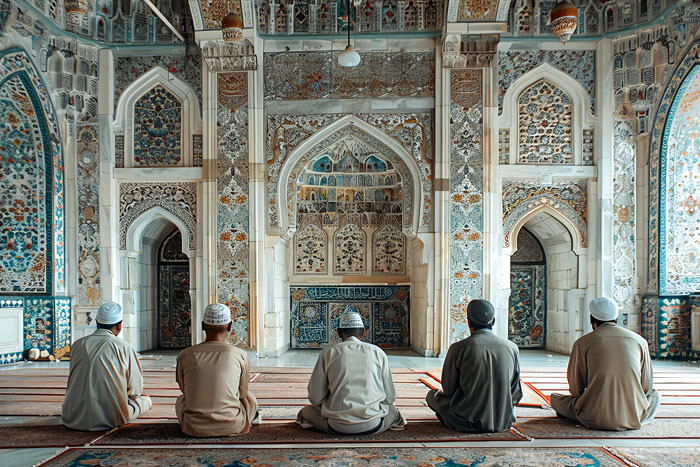
This vertical dimension continues on the day of Eid itself, as Muslims begin the celebration with communal prayer. True joy is expressed through takbir (glorifying Allah), tahmid (praising Allah), and acts of bowing and prostration, whereby believers humble themselves in gratitude before the Creator. Islamic festivals, therefore, are not merely occasions for celebration or indulgence, but moments firmly rooted in remembrance, humility, and thankfulness.
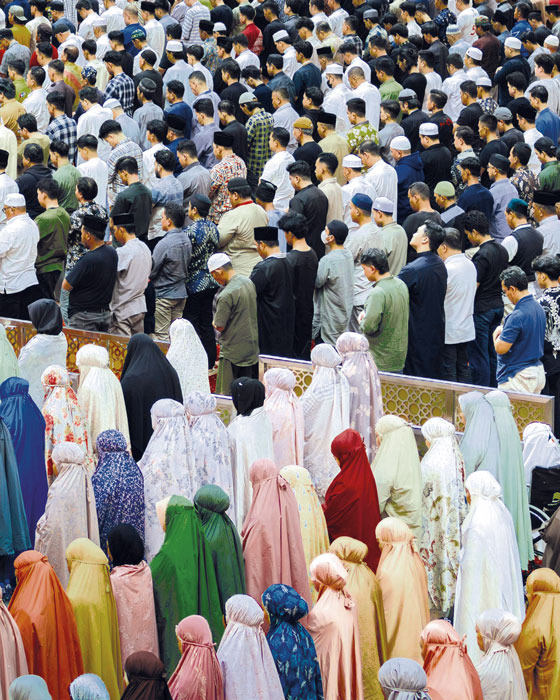

Eid al-Fitr also embodies a strong horizontal dimension, centred on social and interpersonal relationships. Known in Indonesia as Lebaran, the day carries deep significance not only as a spiritual triumph, but also as an opportunity to strengthen communal ties and reaffirm humanitarian values.
The obligation of zakat al-fitr (zakat fitrah), which must be paid before attending the Eid prayer, clearly illustrates this social responsibility. The Prophet Muhammad (peace be upon him) taught that zakat al-fitr purifies those who fast and provides food for the poor. Through this obligation, Islam ensures that the joy of Eid is shared with dignity by all members of the community.
Another important expression of this horizontal dimension is the renewal of relationships. Muslims visit one another, exchange greetings, and recite the prayer, “Taqabballāhu minnā wa minkum,” which means, “May Allah accept our worship from us and from you.” They seek and offer sincere forgiveness, resolving misunderstandings and healing past grievances. On this day, bonds of kinship are restored, conflicts are set aside, and harmony is renewed. Neglecting or severing ties, particularly with close relatives, is therefore considered contrary to the spirit of Eid.
Etymologically, Eid al-Fitr is commonly understood as a “return to fitrah,” referring to the innate purity of the human soul. After a month of fasting and spiritual discipline, Muslims emerge renewed, having refined their moral awareness and strengthened their devotion to Allah SWT.
According to Buya Hamka, the distinguished Indonesian Muslim scholar and intellectual, Eid al-Fitr represents humanity’s return to its true moral and ethical values. He emphasised that Eid is not merely symbolic, but a lived expression of compassion, brotherhood, and social responsibility.
Ultimately, Eid al-Fitr is not only a celebration marking the end of Ramadan, but also an opportunity for renewal and the cultivation of a more harmonious society. In the spirit of Eid al-Fitr, may this blessed occasion mark the beginning of a better life, one enriched with peace, kindness, and divine blessings.
Happy Eid al-Fitr 1447 H.