



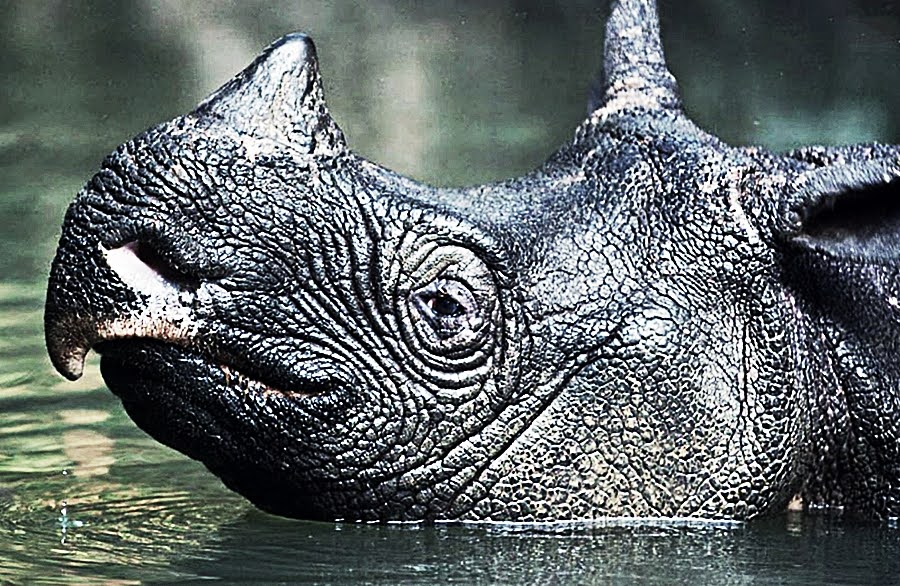
Cerita Alam Nusantara, brings together a diverse group of organisations who all have a shared purpose: to raise awareness and educate the public about the Critically Endangered Javan Rhinoceros, an ancient species that still roams the island of Java. With its population now at an alarmingly low level, the survival of this rare rhino is increasingly uncertain. (Photo by Cerita Alam Nusantara)
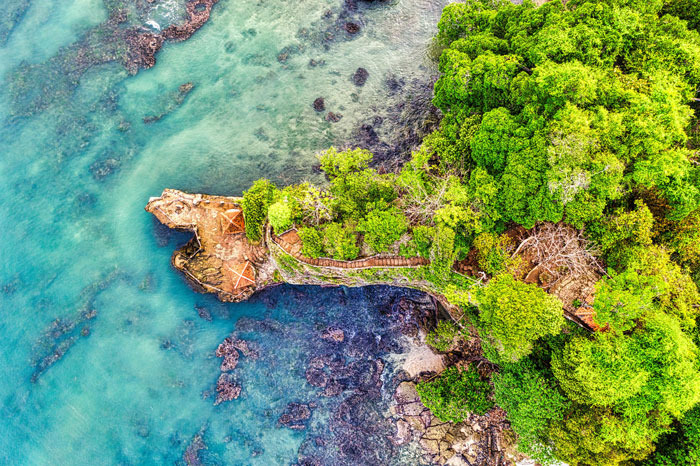
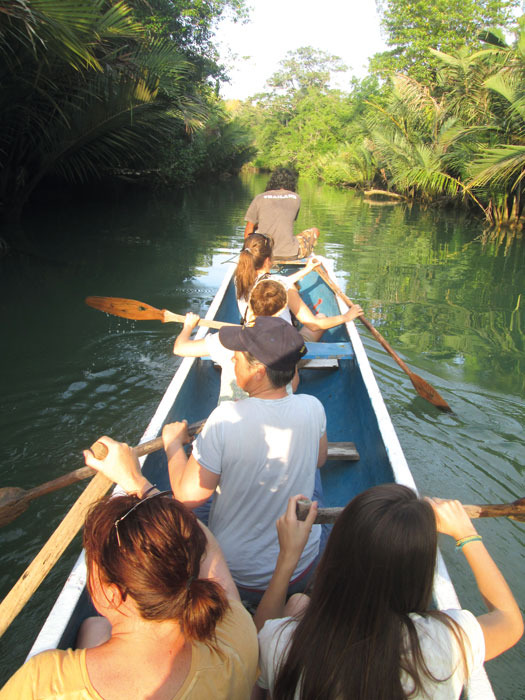
At the western tip of Java sprawls a 120,551-hectare expanse of dense tropical forest known as Ujung Kulon National Park (UKNP), part of the Banten province. Renowned for its remarkable biodiversity, UKNP also provides a vital sanctuary for several key species, including the Javan Gibbon and the Javan Rhinoceros.
It is believed that the rhinoceros species has existed on earth since the Tertiary period (66 million to 2.6 million years ago). At that time, it was estimated that there were 30 types of rhinos in the world.
Currently, only five species of rhino remain in the wild, found across Africa and Asia. In Africa, two species survive: the Black Rhinoceros (Diceros bicornis), which inhabits parts of East and Central Africa including Kenya, Tanzania, South Africa, and Namibia; and the White Rhinoceros (Ceratotherium simum), found in both northern and southern regions of the continent.
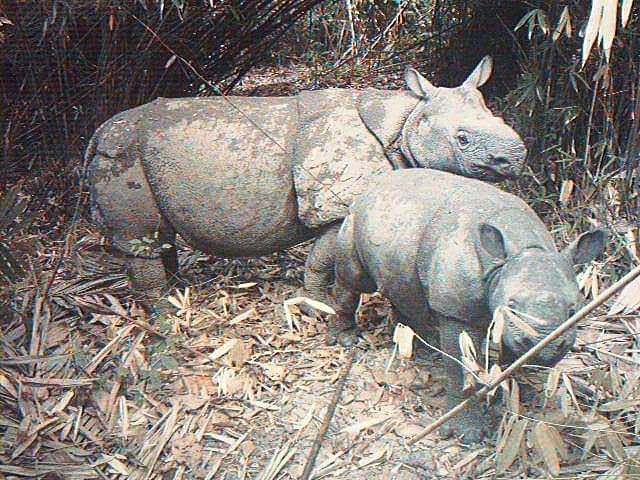
In Asia, the Indian Rhinoceros (Rhinocerus unicornis) is primarily found in the Indian subcontinent, particularly in the Assam region and the forests along the foothills of the Himalayas. Indonesia is home to two remaining species: the Sumatran Rhinoceros (Dicerorhinus sumatrensis) which can be found in protected areas such as Way Kambas National Park, Bukit Barisan Selatan National Park, and Gunung Leuser National Park; and the Javan Rhinoceros or Javan Rhino (Rhinoceros sondaicus), also known as the Sunda Rhinoceros. All of these species are listed on the International Union for Conservation of Nature (IUCN) Red List, with most classified as Critically Endangered.
Focusing on the Javan rhino, it is believed that centuries ago this species roamed widely across Southeast Asia, from Java to Vietnam. However, the last known individual in Cat Tien National Park was reportedly killed by poachers in 2010, and by 2011 the species was officially declared extinct in Vietnam. This left the UKNP as its final refuge.
According to the latest report by the IUCN, the Javan rhino population has declined sharply, from 78 individuals to around 50, following the alleged poaching of 26 animals.
In addition to poaching, the Javan rhino faces a range of serious threats. Intrinsic challenges include inbreeding and limited genetic diversity reduce resilience and reproductive success, whilst extrinsic pressures include natural disasters and human-driven habitat degradation.
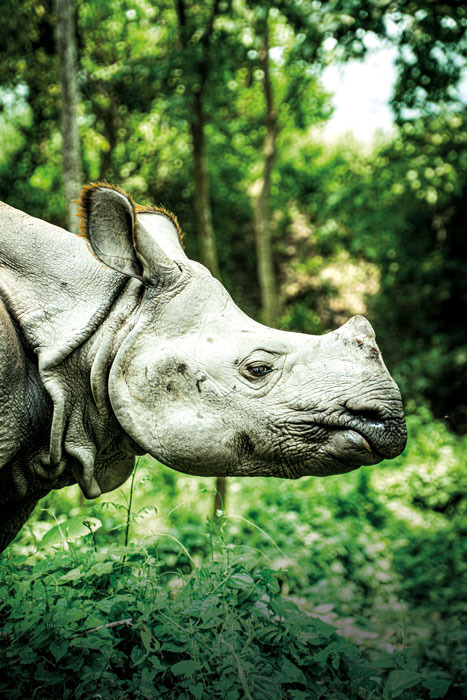
“The Javan rhino has distinctive characteristics. Its body shape resembles a peninsular war attire. Its body is larger than that of the Sumatran ones, yet it is the small when compared to African rhino species. While the Sumatran rhino has two horns, the Javan rhino has only one. Among the five existing species, the Javan rhino is the most vulnerable. It is the only species that has never been exhibited in any zoo worldwide, perhaps due to its extreme sensitivity and very limited population,” said Arief Zul Permana, as he introduced this unique endemic animal.
Arief Zul Permana, simply known as Arief, founded Cerita Alam Nusantara (literally: Nusantara nature stories) in 2018, bringing together a community of individuals from diverse backgrounds united by a shared commitment to conservation. He established the initiative from a personal conviction that protecting Indonesia’s natural heritage, including the Javan rhino, requires collective voices and action.
Through storytelling, community engagement and educational initiatives, Cerita Alam Nusantara seeks to foster greater public understanding and a shared sense of responsibility, encouraging people to protect what remains of Indonesia’s natural heritage before it is too late.
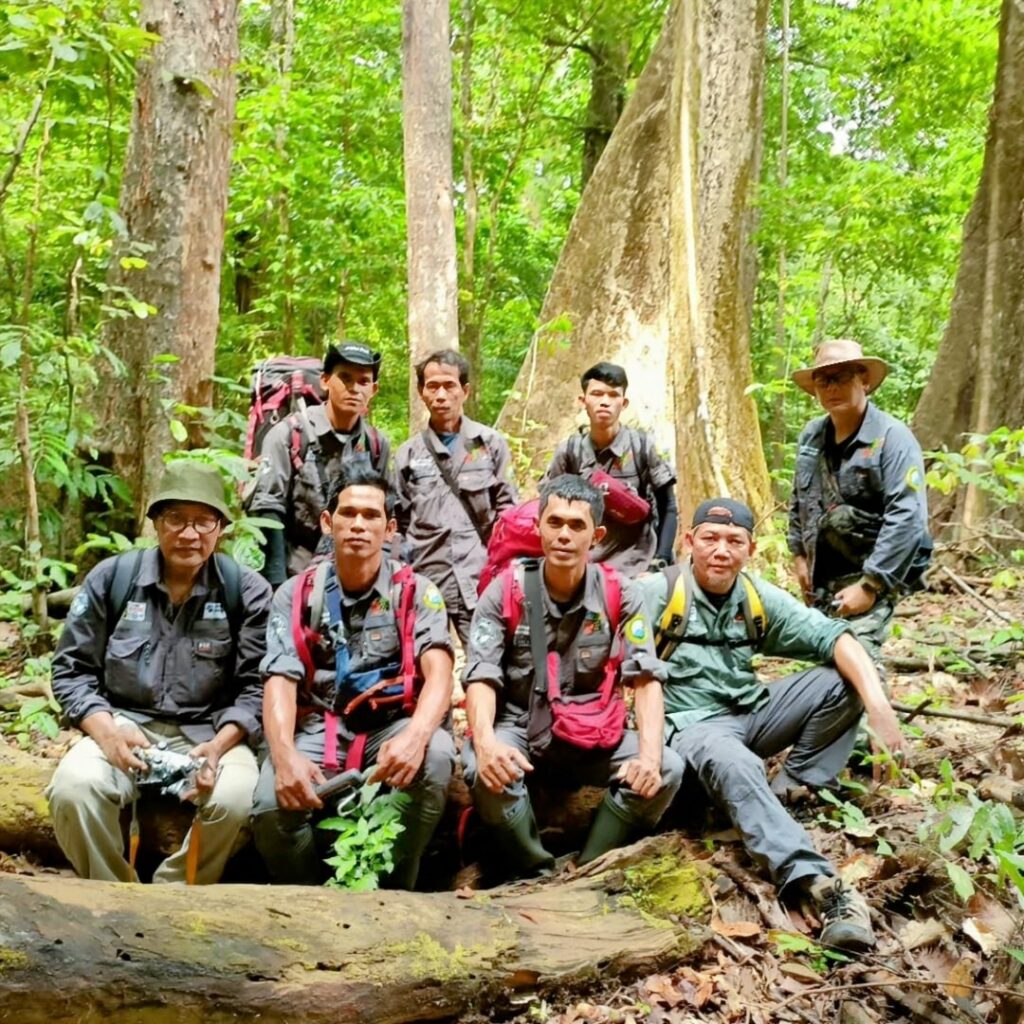
According to Arief, UKNP and the Javan Rhino have received relatively little attention from both the government and the public, with the species’ existence seemingly fading from wider awareness.
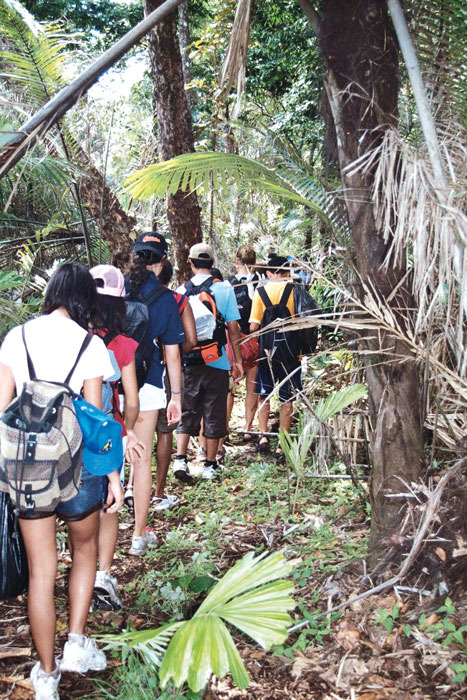
Arief also said that UKNP is one of Indonesia’s most extraordinary natural treasures, yet its proximity to Jakarta is both a blessing and a growing challenge. On one hand, accessibility has helped raise awareness and bring economic opportunities through tourism. But the rise of open-trip tours without strict regulation has led to overcrowding, unmanaged waste, and environmental strain.
“The situation becomes even more concerning when conservation is not placed at the forefront. Ujung Kulon should not be treated as a casual tourist destination, it is a fragile conservation area. Stronger enforcement, visitor limits, better waste management, and a clear shift toward ecotourism principles are essential to protect its biodiversity,” shares the dedicated environmentalist.
“And the worst thing is both people and the government cannot distinguish between the Javan and the Sumatran rhino, yet they are vastly different, both biologically and in terms of conservation status. This lack of understanding reflects a broader issue: conservation cannot succeed without public knowledge and emotional connection. Education campaigns, storytelling, and responsible tourism experiences could help bridge this gap, so people don’t just visit Ujung Kulon, but truly understand what’s at stake,” Arief adds.
This goes beyond just the Javan rhino population. This ancient mammal plays a critical role in the UKNP ecosystem, helping to disperse the seeds of large plant species – something that smaller animals would not be capable doing. Thus, they are key to the health of UKNP’s longterm health, and are considered silent “guardians of the forest.” Thus, the extinction of the Javan rhino isn’t only a loss of a species, it may well begin a natural chain reaction that puts the entire ecosystem at risk.
Seeing this situation, Cerita Alam Nusantara has taken an active role in raising awareness about the protection of the Javan rhino. The community works in close support of organisations already engaged in conservation efforts at UKNP, including the Rhino Foundation of Indonesia (YABI) and ALeRT Indonesia, both of which are supported by the International Rhino Foundation.
Their efforts began with a campaign focused on the protection and education of the Javan rhino, particularly within communities surrounding the park. This initiative has since expanded to reach a wider audience across Banten, including schools, especially international institutions, which, as noted by Arief, demonstrate a strong commitment to conservation.
In addition, the community has engaged with government agencies and the hospitality sector, encouraging hotels to present the Javan rhino through compelling narratives, not merely as a protected species, but as a source of regional pride. Through this approach, the rhino is positioned as a powerful symbol of local identity, fostering a deeper sense of responsibility towards its preservation.
To raise broader public awareness, Cerita Alam Nusantara successfully engaged three UK-based NGOs: Edge Group Conservation, The Pelorus Foundation, and the Big Five Foundation, to collaborate on a dedicated communication strategy and campaign.
Their continued efforts will further the understanding and awareness surrounding the importance of the Javan rhino and its home, Ujung Kulon National Park.
Find out more: @ceritaalamnusantara