


When it comes to jewellery, value is often measured by the weight of gold, the size of a stone, or the sway of trends. Yet on Benda Street in Kemang, one jeweller quietly resists this tide. When interests are easily influenced by what’s new, Subeng Klasik walks the other way– deliberate, grounded, and unapologetically Indonesian.
Founded by Diatri Mitha and Valeri Putri, the story began during a tumultuous time in the pandemic, right when local artisans found themselves without buyers. Mitha, an avid traveller with a growing interest in traditional accessories, found herself repeatedly drawn to one form, the subeng, a traditional Indonesian earring. “It really started with a personal collection,” she recounts. “I travelled a lot and would meet artisans in various regions. I was always drawn to subeng, there is something about them that felt timeless. When I started wearing them, friends began asking where they could get a pair.”
This informal exchange evolved into something more deliberate when she teamed up with her cousin Valeri, whose background in both craft and cultural studies brought a deeper layer of intention. “[Subeng Klasik] brought together everything I loved. Heritage, meaning, and creating something with our own hands.” They both realised that they’re heading into the same direction, which cemented the brand’s vision from the start: preserving heritage that still has so much relevance, beauty, and narrative.
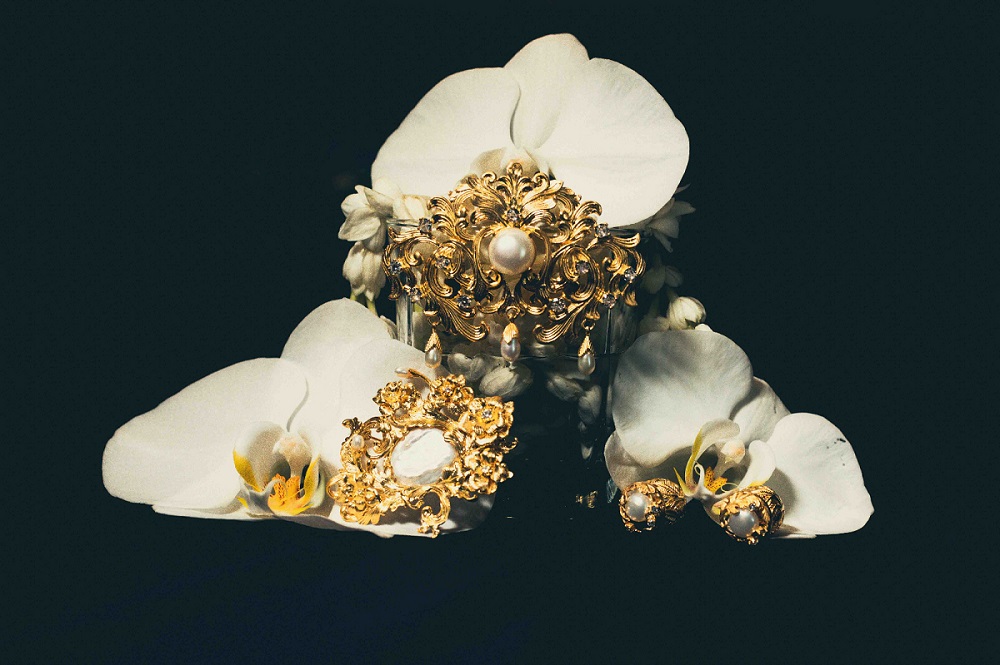
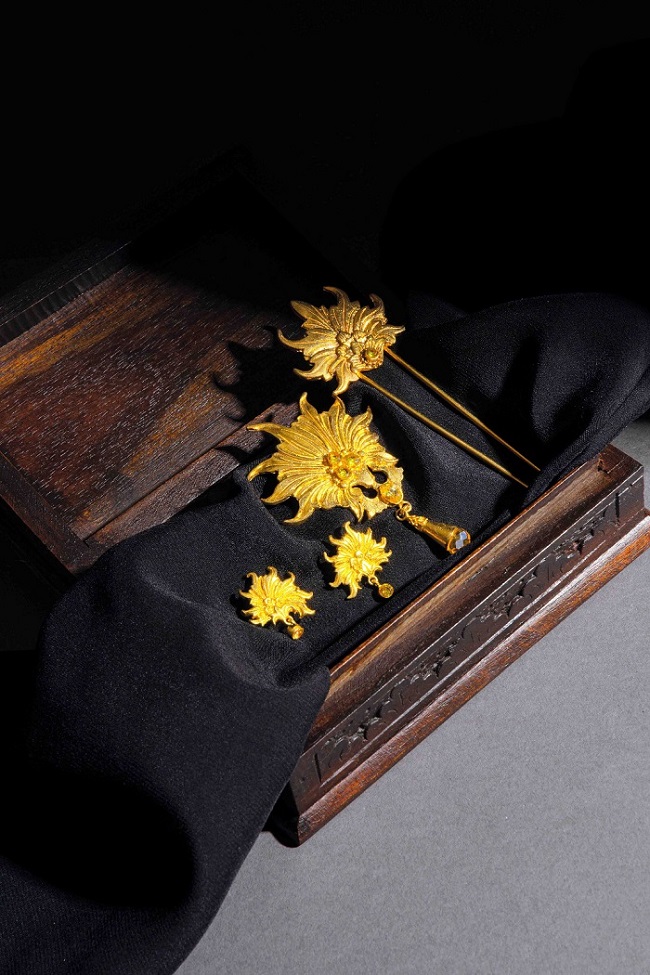
What followed was a natural progression: online presence, slow but steady sales, then by mid-2022, a physical shop and production space. Yet even with this growth, the founders have been careful not to stray from their original focus. Each piece in the collection reflects classic Indonesian design: subeng, brooches, and other heritage-inspired jewellery like hairpins and rings– all selected not simply for visual appeal, but for the stories they carry and the communities they support.
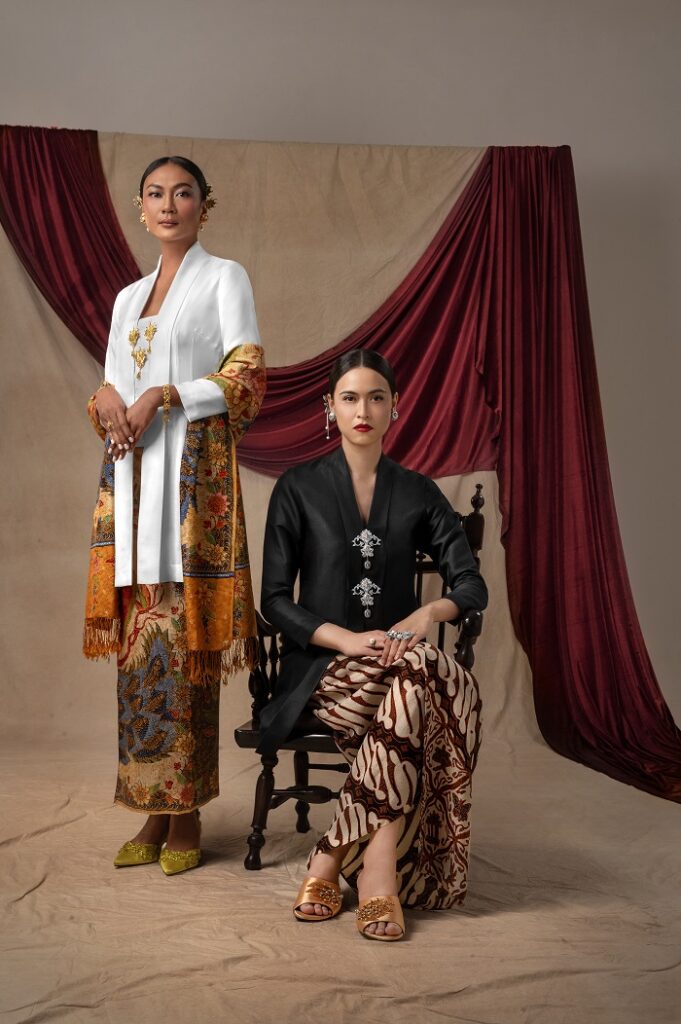

Take the Rekah Asa collection, for instance. Its design language draws from Jepara’s iconic wood carving traditions, motifs once chiselled into teak and now cast in brass or silver. Launched on Kartini Day to honour Jepara’s most revered daughter, R.A. Kartini, the collection became an instant favourite. One particular motif, Jumbai, rarely seen in metalwork, became a highlight with its curling shapes echoing the tasselled tips of carved panels, its symbolism steeped in hope, growth, and resilience. Within two weeks of its release, sales surged fivefold, proving that meaning still moves people.
There’s also the humble subeng, from which the brand takes its name. These traditional earrings, characterised by a large backplate, were once the parchments for whispered romances. Centuries ago, subeng was handmade by men from banana leaves and offered as tokens of affection, sometimes hiding love letters within their folds. Today, Subeng Klasik reimagines this piece of history in gleaming metal, modernising without losing its sentiment.
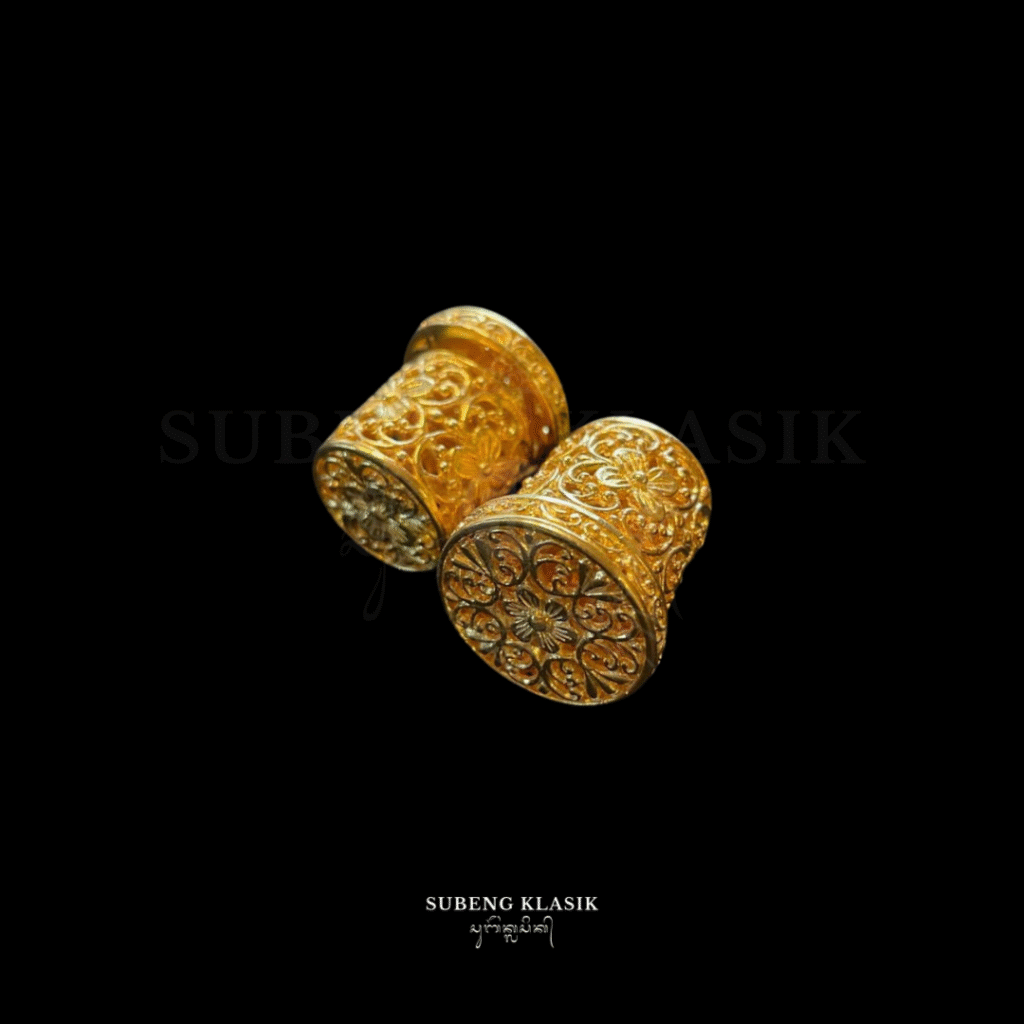
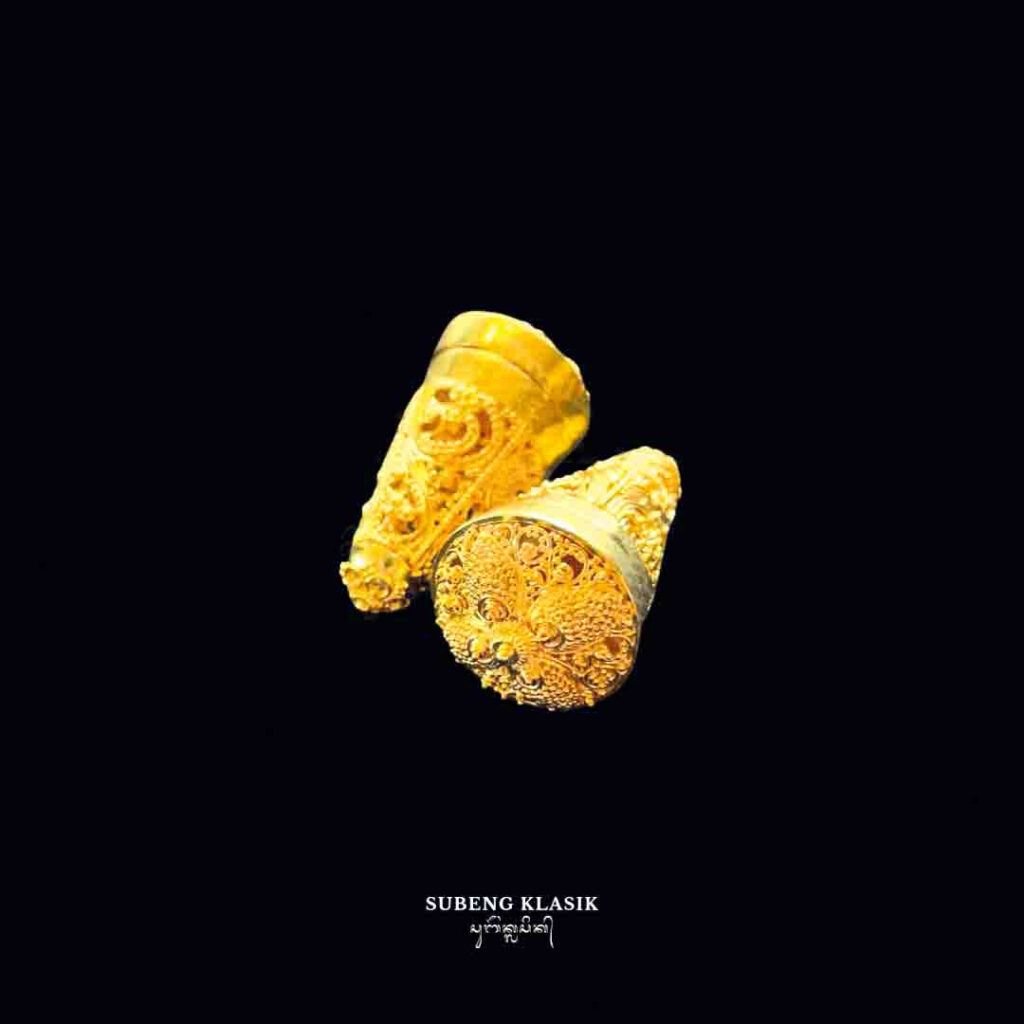
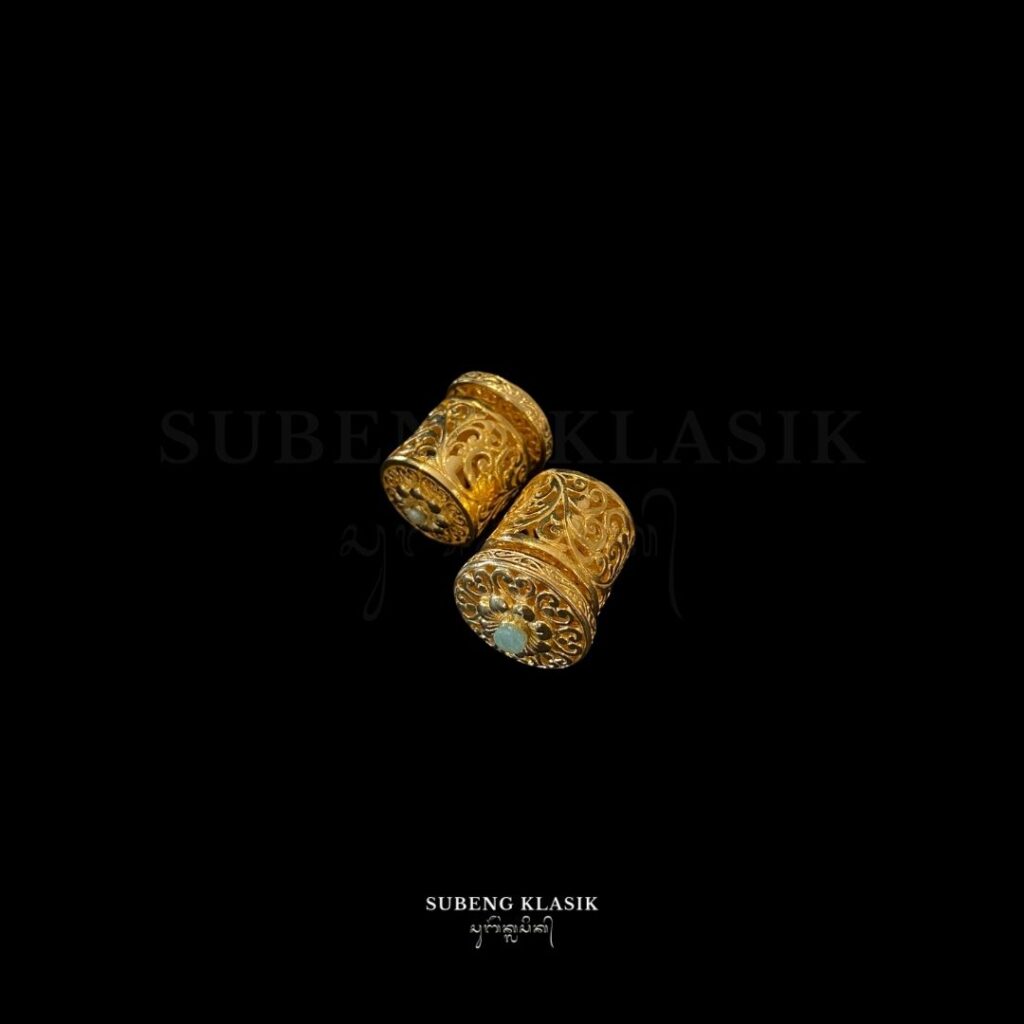
Subeng Klasik works primarily with metals: brass, copper, silver, and on occasion, gold. Brass is the staple due to its accessibility and affordability, which is ideal for achieving the brand’s goal of cultural inclusivity. Silver, by contrast, is reserved for pieces that require time, delicacy, and the unmistakable stamp of handcraftsmanship. These are fully handmade works, each one carrying the small differing detail that only a human touch can offer. As for gold, the brand opts for moderation, using gold plating rather than solid forms to keep prices fair while retaining a sense of refined opulence.
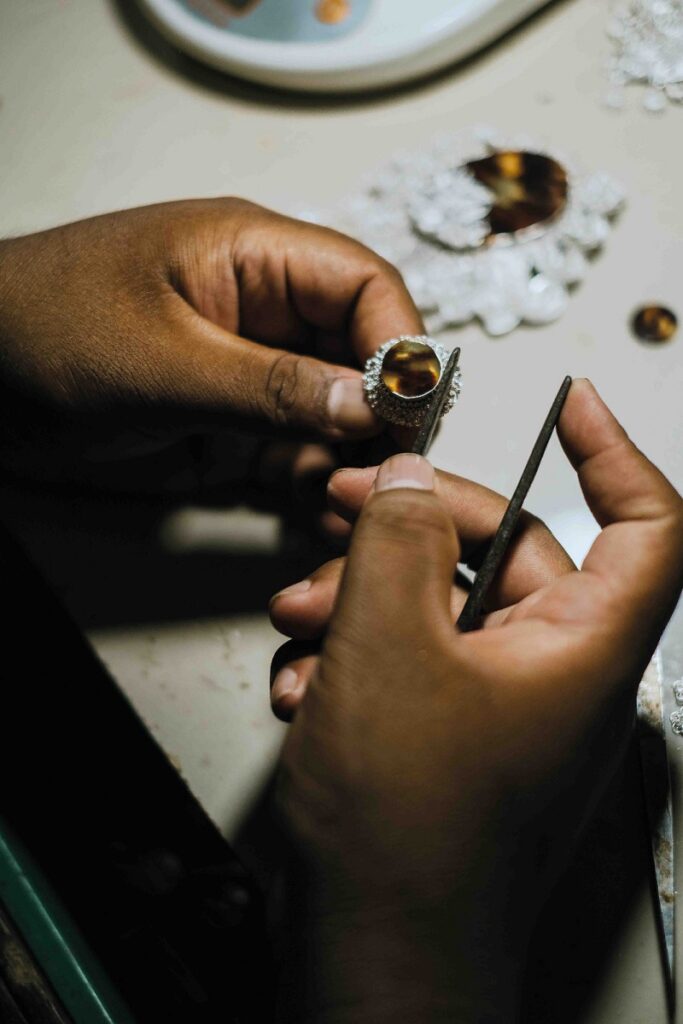
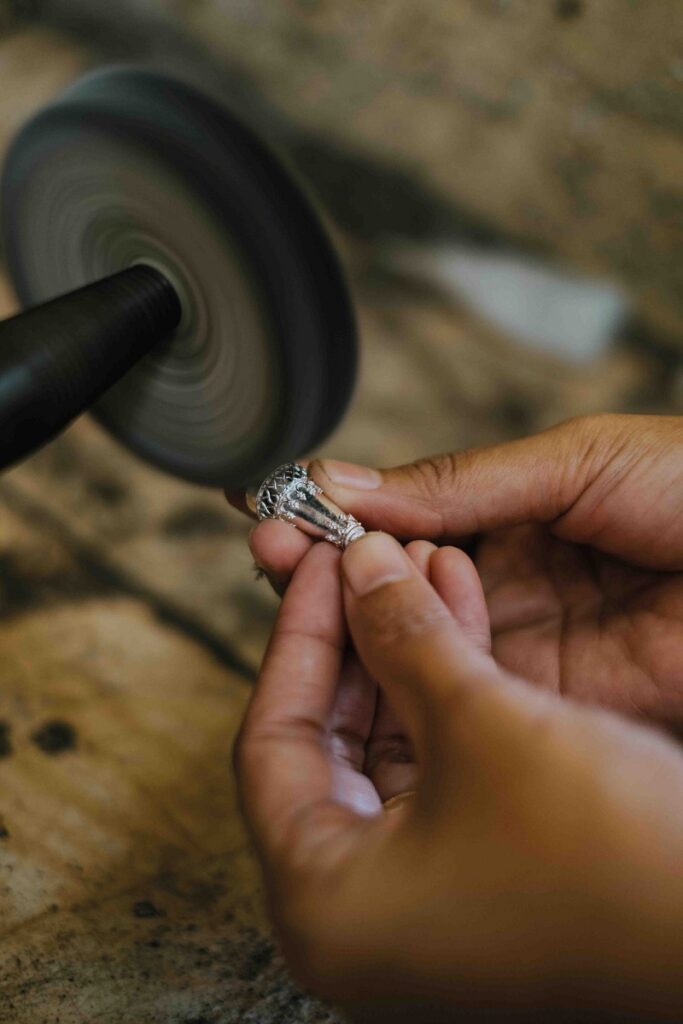
Though Subeng Klasik started by curating handmade pieces from local artisans, it has since evolved. Now, around 70% of the designs are originals, dreamed up by Mitha and Valeri, then executed by the brand’s ever-growing network of regional artisans. The remaining 30% is still reserved for traditional, fully handmade pieces, an intentional act of support for local craftsmanship.
Each product here is a craft of patience and intention. A single collection can take anywhere from three to ten months to come to life. The process starts with careful research on the motifs, tracing cultural roots, consulting artisans, and building a narrative that feels honest and complete.
The brand’s presence on the Indonesian fashion stage has also begun to take shape. They have collaborated with renowned designers, who have approached them seeking for accessories that elevate their collections. Among them are names like Oscar Lawalata Culture, Wilsen Willem, and Ivan Gunawan, major creative forces known for blending heritage with high fashion. Their clientele speaks volumes too. From A-list celebrities to the former First Lady, Iriana Jokowi, Subeng Klasik’s pieces have adorned some of the nation’s most iconic figures.
Despite their growing popularity and the prestige of their clientele, Subeng Klasik has no intention of moving into the exclusive realm of luxury pricing. “We’d prefer to stay accessible to all groups,” says Valeri. “Our original mission was always about cultivating appreciation for traditional Indonesian accessories.” The goal isn’t to create elite adornments for a select few, but to nurture pride across generations, whether a piece is worn by a seasoned connoisseur or someone discovering traditional wear for the first time.
There’s a unique confidence, Valeri adds, that radiates from Indonesian women in traditional dress and jewellery, something modern fashion, for all its flair, can never quite replicate. One would argue that it all lies in the timelessness of heritage. After all, unlike trends, it does not have an expiration date. Heritage is classic.
“We’re often asked, ‘Why not make something more modern?’” Valeri shares. “But if everything becomes modern, who preserves the roots?”
IG: @subengklasik | @subengklasik.catalog