


Jakarta’s temperature rarely drops below 27°C and its humidity sits high for much of the year, yet the city’s professional culture still rewards a polished appearance. Between boardrooms, client lunches, traffic, evening events and sharp shifts between outdoor heat and air-conditioning, dressing well requires more than simply wearing a suit. It requires strategy!
Hariom’s Tailor’s guide to tropical suiting begins with the essentials: fabric, construction, cut and lining. When those elements are calibrated for the climate, fine tailoring still holds its shape, but the suit feels lighter, sharper and far better suited to Jakarta. Here, we’ll learn how.
The first rule of tropical dressing is simple. Fabric comes first.
In a hot, humid city, the best materials are lightweight, breathable and able to release moisture. Because visible sweat in a beautifully cut suit will collapse the whole look.
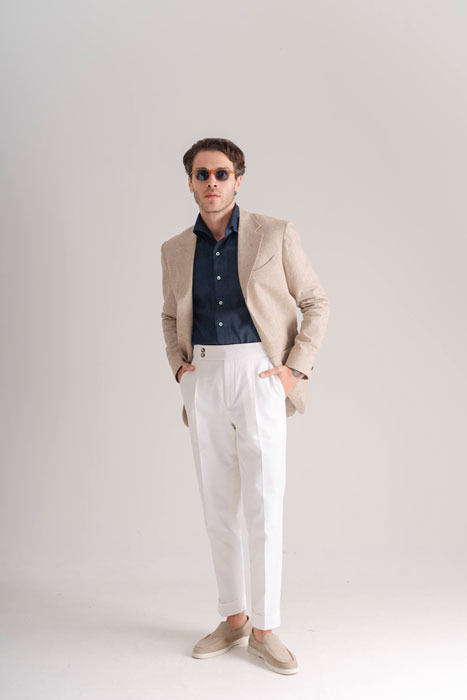
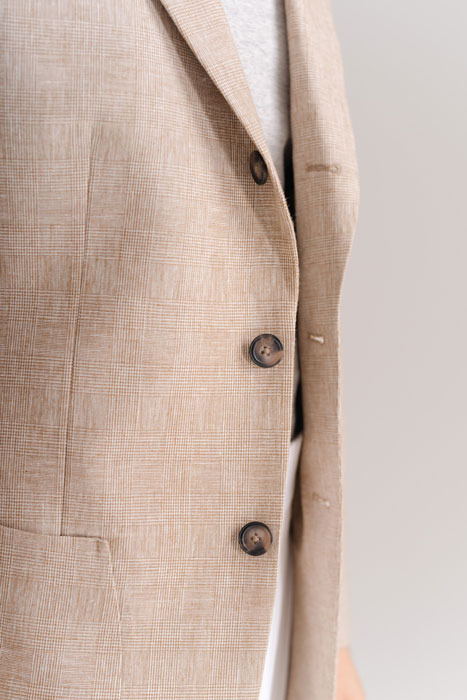
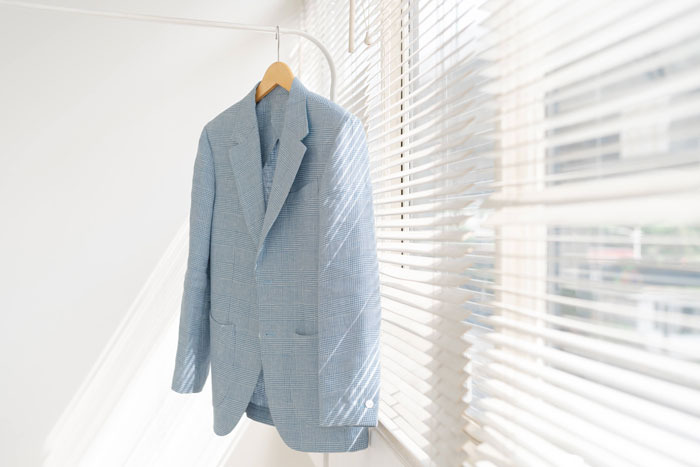
Linen remains the gold standard for tropical suiting. Its open weave allows air to move, while the fibre absorbs moisture without feeling heavy or damp. Linen also brings a natural texture that feels relaxed without looking careless, which matches perfectly with the city’s increasingly style-conscious professional scene.
For those who want structure while keeping it light, fresco wool, also known as tropical wool, is a strong choice. Woven loosely with a tightly twisted yarn, it is naturally ventilating and impressively crease-resistant. That makes it especially practical in Jakarta, where a day can involve long car rides and back-to-back meetings.
What should be avoided? Any fabric that traps heat and moisture like polyester, heavy synthetic blends and fully lined jackets. The wrong materials can undo even the best tailor when faced with a warm climate.
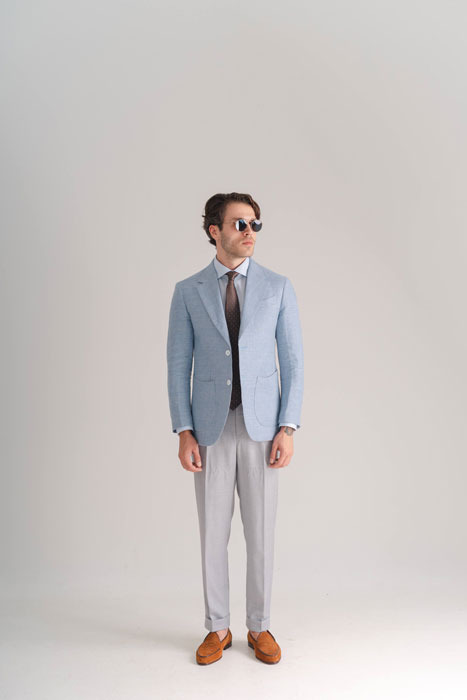
The second is the matter of construction.
Even the right fabric can be undone by the wrong construction. A linen or tropical wool jacket built with heavy canvassing and lining will wear warm and stiff no matter how breathable the cloth. The interior isn’t a decorative detail, it makes all the difference between looking composed and looking rumpled.
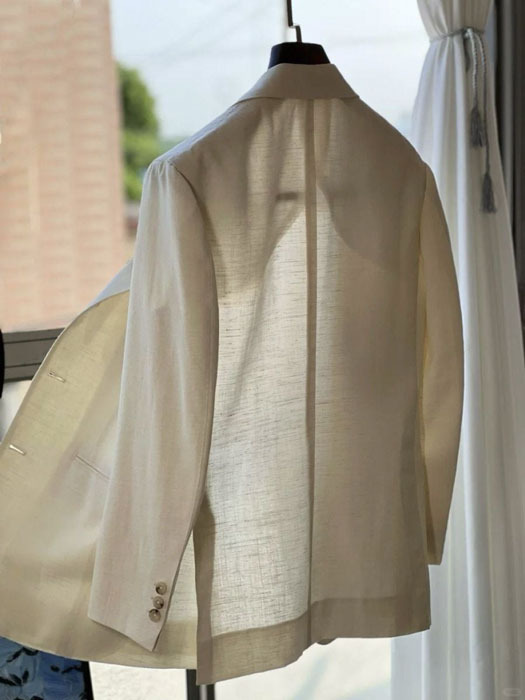
When it comes to tropical dressing, quarter-lined construction is often the smartest place to start. The shoulders and upper back remain lined to give the jacket clean drape and smoother movement over a shirt, while the body is left open so air can circulate.
For a softer, less formal mood, some tailors go further with a fully unlined jacket. This comes from the Neapolitan tailoring tradition, where structure is lighter, movement is easier and the whole silhouette feels more elegant.
Canvas construction matters too. A floating canvas, hand-padded and stitched into the front of the jacket, moves with the outer fabric and gradually moulds to the wearer’s body. It gives the suit form without stiffness, and character without fuss. It also holds up than fused construction, which rarely ages as gracefully.
The Hariom’s Approach
Hariom’s Tailor builds each suit with either half or full canvas construction, steering clients towards lighter, less-lined configurations that suit Jakarta’s climate. For linen and tropical wool commissions, the process begins with a consultation that looks past measurements alone. The tailor considers how the suit will actually be worn, how long it needs to stay sharp, where the day will take it and how much movement the wearer needs.
And that is the point of proper tropical tailoring. It is not just about making a suit fit the body. It is about making it fit the city.
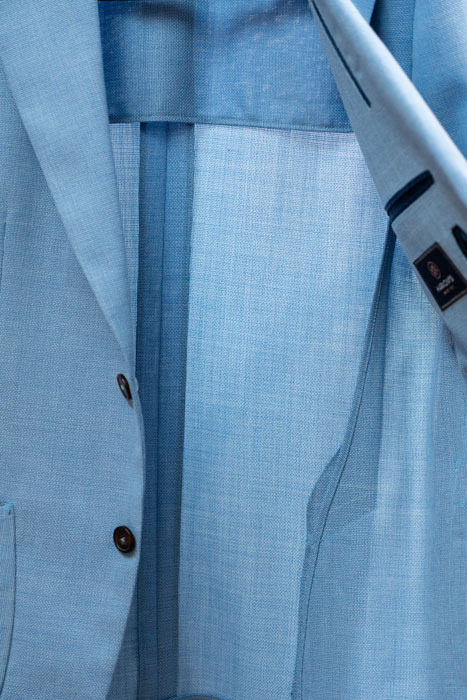
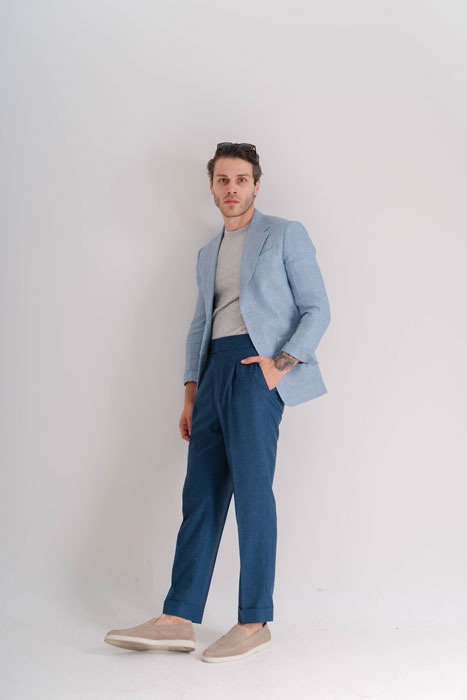
Once fabric and construction are settled, the next question is cut. Silhouette is not only about taste, it also decides how much heat your jacket decides to keep for itself.
A closer cut often works better than expected, too much room may sound comfortable in theory, but excess cloth can trap heat and make the suit feel heavier than it is. A jacket should sit close enough to sharpen the body, while still allowing air to move between the shirt and the cloth.
The jacket’s proportion plays its part, too. The traditional benchmark, where the jacket’s length sits around the top of the knuckle, still works. For tropical dressing, however, a slightly shorter cut can feel lighter and more current. Think less rigid British formality, more Neapolitan ease for a cleaner proportion without making it look casual.
When it comes to the lapel, the wider ones are having their moment – and in tropical fabrics, they do more than just a nod to fashion. Linen and lighter wools naturally carry a softer shape, so a wider lapel gives the jacket a little more presence. It adds structure without adding weight, which is exactly the sort of maths Jakarta dressing requires.
A well-made tropical suit should feel appropriate in a meeting, comfortable at lunch and still composed by the end of the day. That is the real measure of tropical tailoring. Dressing well through the weather and not for it. Hariom’s Tailor works with European mill fabrics and cutters with decades of experience, but the stronger point is how those details are adapted to local conditions.
For consultations on bespoke tropical suiting in Jakarta, visit Hariom’s Tailor Jakarta at Jl. Pasar Baru Selatan No. 1, or arrange a virtual consultation via their website.