


Every aspiration starts with inspiration, and for children, a single experience can shift how they see the world. With increasing appreciation for the early enrichment of young learners, Jakarta is offering more and more opportunities for them to be introduced to new ideas and interests; to immerse themselves in the engaging worlds of history, art, literature, wildlife, space, and more.
Jump ahead
Planetarium Jakarta | National Library of Indonesia | Taman Mini Indonesia Indah | Jagat Satwa Nusantara | Scientia Square Park | Museum MACAN | Jakarta Aquarium and Safari
Planetarium Jakarta
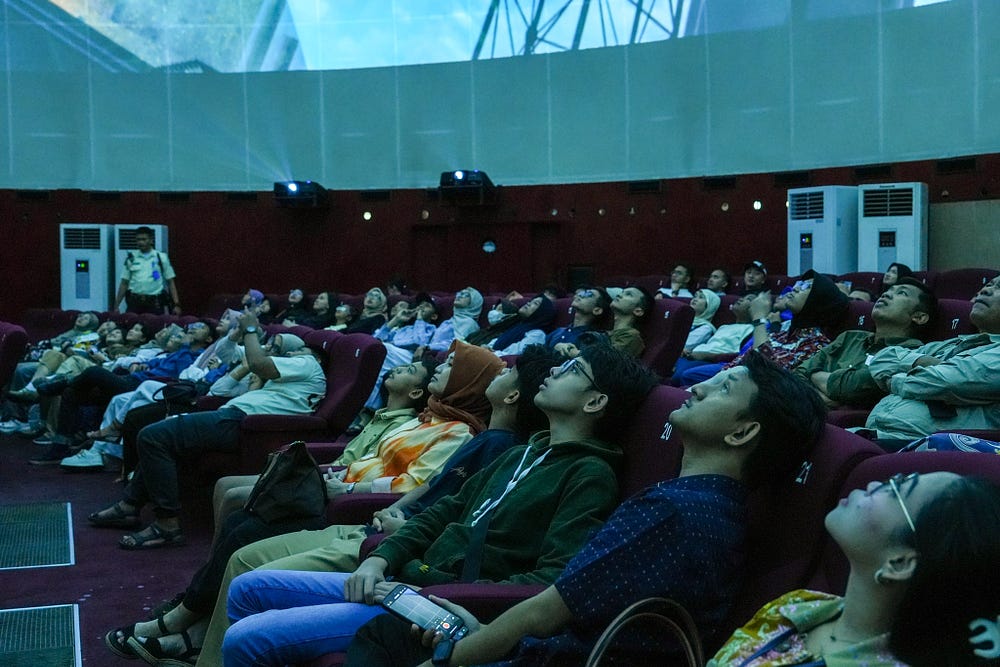
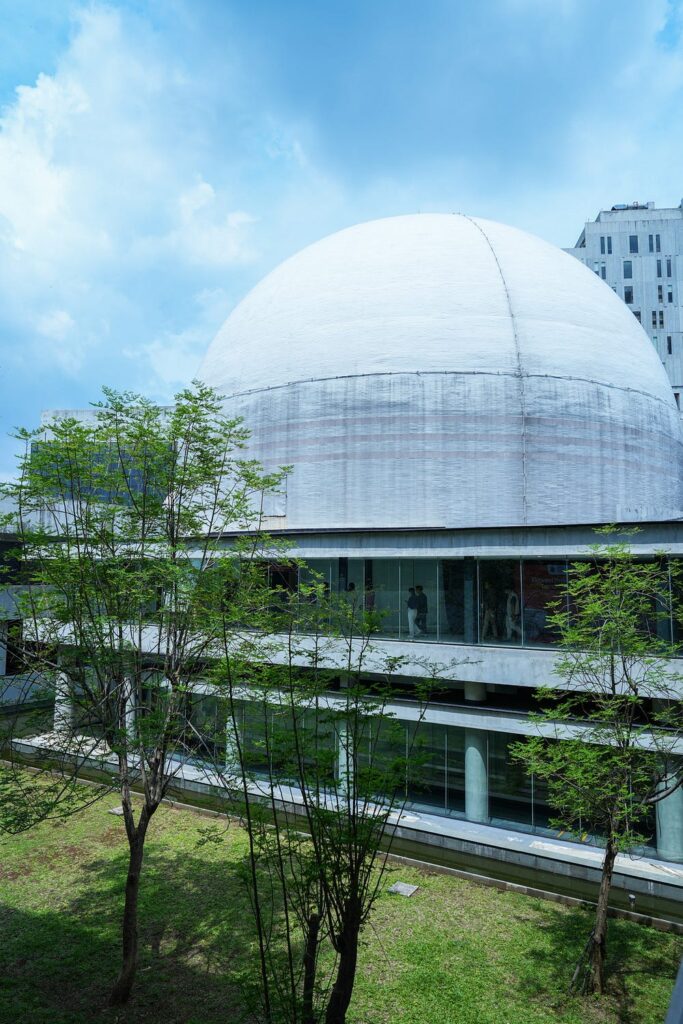
Planetarium Jakarta offers children a rare chance to explore the vast wonders of space without having to leave the city. After reopening in December 2025 following a 13-year renovation, the country’s oldest planetarium now uses digital projection technology instead of its original Carl Zeiss system. The upgrade brings planets, constellations, and galaxies to life using current scientific data, displaying clearer and more accurate projections of the stars, planets, and celestial movements.
Originally built in 1964 and inaugurated in 1968, the planetarium remains one of the few public spaces in Indonesia where children can learn how celestial bodies move, how the solar system forms, and how astronomers study space. Perhaps the highlight attraction is its Star Theatre, a dome auditorium with ergonomic seating and 40 to 60-minute shows running four times a day from Tuesday to Sunday. For a more interactive experience, the planetarium now features AI Virtual Hosts that explain astronomical concepts in simple, accessible language suited for younger audiences. These digital guides help children connect what they see on the dome with real scientific ideas. Admission is free for students until April 2026, while adults pay IDR 10,000.
Jl. Cikini Raya No.73, Menteng, Central Jakarta | @planetariumjkt
National Library of Indonesia (Perpusnas RI)
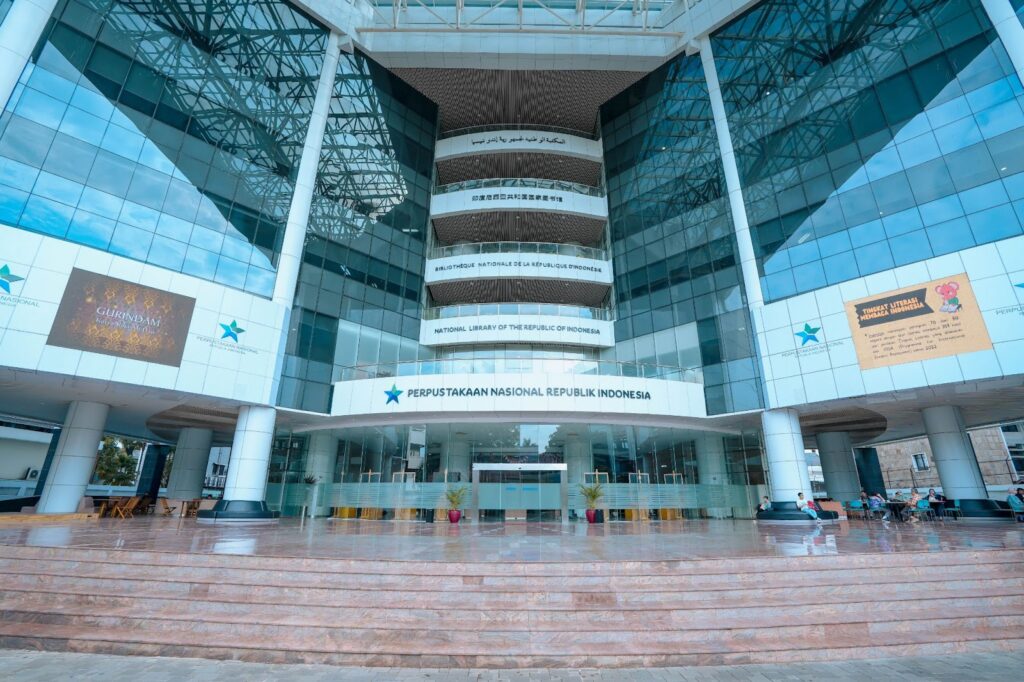
The National Library of Indonesia, fondly known as Perpusnas, creates an inviting space for children to nurture their intrinsic thirst for learning outside the formal classroom. They are invited to wander among the shelves, sit with a book, and begin to see reading as something personal and fun instead of a task. Visitors can pause for a light snack at the fourth-floor canteen, explore music, vinyl records, and DVDs in the audio-visual rooms of the eighth floor, and study in the 19th-floor multimedia zone using its high-speed Wi-Fi. The main lobby boasts a soaring bookshelf that reaches up to the fourth floor, topped by an illustrated map of Indonesia and lined with encyclopaedias, biographies, novels, and books on traditional textiles. Across the upper levels, collections range from rare books (14th floor), reference works (15th), historic maps and photographs (16th), and newspaper and journal archives (20th), to general collections covering literature, languages, international affairs, and Indonesian studies on floors 21 to 24.
Beyond its reading rooms, the 24-storey building is conceived as a gradual narrative of Indonesia’s literary and intellectual heritage. Within the public plaza and entrance gallery, four ground-floor exhibition rooms trace the history of reading and writing through digital maps, recorded literacy stories, and displays of writing materials—from bamboo, lontar leaves, and daluang (mulberry) paper to European and Chinese paper. The library opens Monday to Friday from 8 am to 7 pm, and on weekends from 9 am to 3.30 pm. It is closed on public holidays and collective leave days.
Jl. Medan Merdeka Selatan No. 11, Central Jakarta | @perpusnas.go.id | perpusnas.go.id
Taman Mini Indonesia Indah
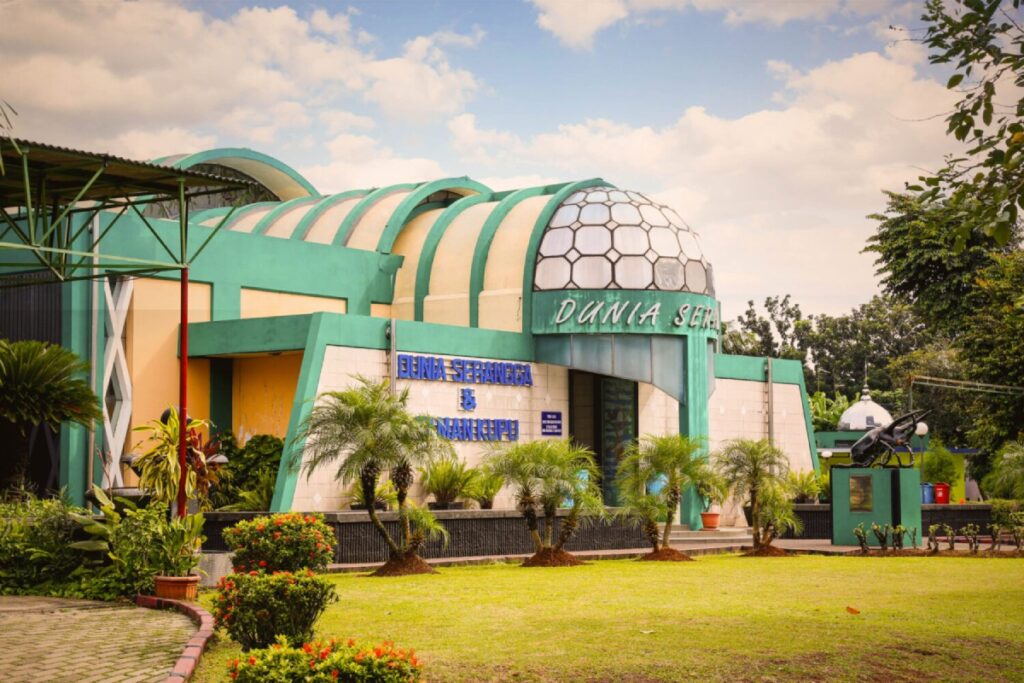
One of the country’s first recreational parks, Taman Mini Indonesia Indah (TMII) is home to a diverse selection of museums dedicated to science, technology, and the natural world. Families can easily move from one to another, starting with the Insect Museum and Butterfly Garden. Equipped with breeding and conservation facilities to spotlight species that are easy to overlook but essential to life, it houses around 600 species drawn entirely from the Indonesian archipelago, including 250 types of butterflies, 200 beetles, and 150 other insects. Dioramas explain soil insects, beetle diversity, regional insect maps, and Bantimurung butterflies, grounding lessons on climate, adaptation, and food chains through displays that remain accessible to young minds.
From biology to infrastructure, the Transportation Museum covers 6.25 hectares and charts the shift from human and animal-powered transportation, from cikar, andong, and sailing boats to modern roads, rails, and sea and air systems. The land pavilion showcases state-owned bus operator DAMRI’s first Cikar vehicle from 1946 alongside historic rail carriages and bicycles, while the sea and air pavilions display ships, floating docks, and aircraft and airport equipment. Outdoor displays extend the story with locomotives, wooden carriages, buses, the presidential special train service Kereta Api Luar Biasa used by Soekarno and Mohammad Hatta, a Garuda Indonesia DC-9, Banjar boats, and a lighthouse from 1879—linking innovation to national history.
The Indonesia Science Centre and the Electricity and New Energy Museum complete the exploratory journey with practice-based learning, from 450 interactive exhibits such as earthquake simulators and Van de Graaff generators to pavilions on renewable, fossil, and conventional energy arranged around an atomic structure concept. Each feature aims to spark children’s curiosity in science, engineering, and public responsibility.
Jl. Taman Mini Indonesia Indah, Cipayung, East Jakarta | @tmiiofficial | tamanmini.com
Jagat Satwa Nusantara
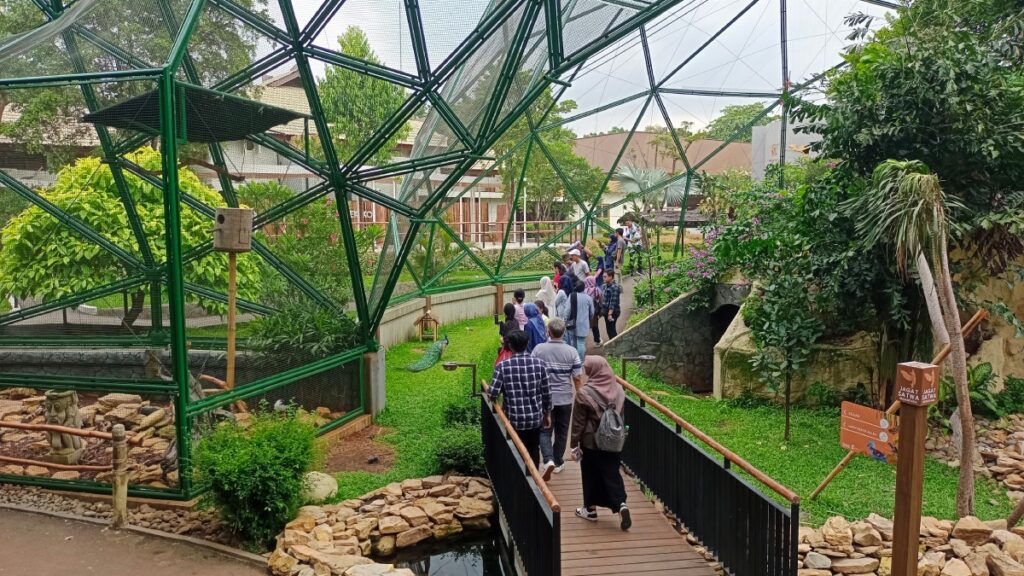
Still within the TMII area, the Jagat Satwa Nusantara zoological park underscores the importance of caring for other living beings in building a brighter, more sustainable future. Here, the experience starts at the six-hectare Bird Park, where the animal residents are grouped according to the Wallace Line and further categorised into Greater Sunda and Wallacea–Sahul zones.
In the western dome, an elevated skywalk guides visitors on their journey while peacocks, mynas, hornbills, and starlings from Sumatra, Java, Kalimantan, and Bali call out overhead. The eastern dome shelters birds of paradise, cassowaries, parrots, and maleos from Sulawesi, Maluku, and Papua in habitats designed for close-up viewing. , making observation feel personal rather than distant. Thousands of birds occupy the space, with more than 200 species bred on site as part of a conservation programme that teaches children about responsibility and sustainability.
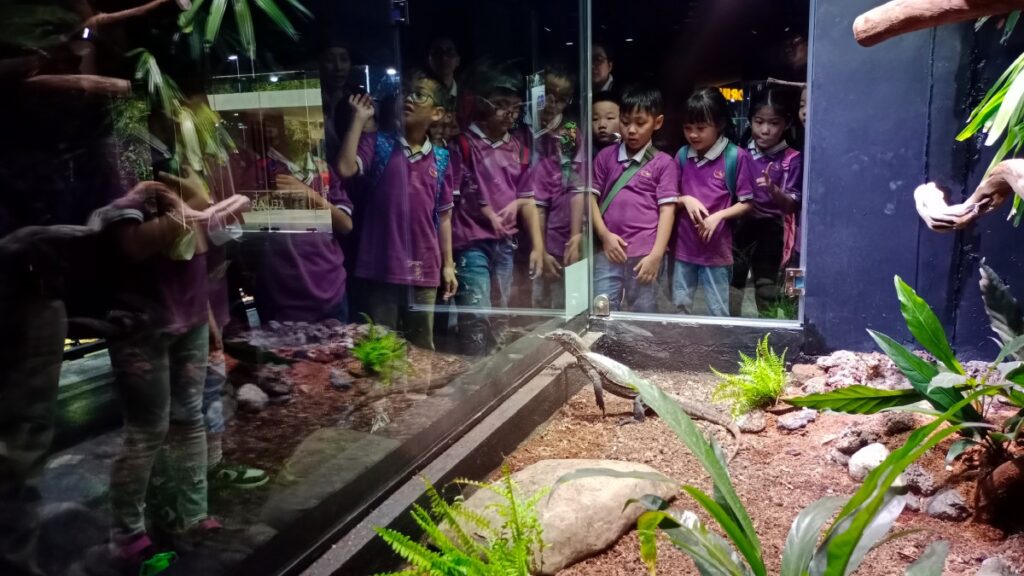
The Freshwater World & Insect Realm brings together two distinct ecosystems of the animal kingdom. It is home to 6,000 animals across 126 species—from arowana and sawfish to pufferfish—making it the second-largest freshwater biota park in the world and the largest in Asia. Centred around the theme Indonesia and the World of Freshwater, the complex blends aquariums with museums, a library, an auditorium, the Nusantara Aquarium, and quarantine facilities for breeding and collection management. The journey continues at the Komodo Museum, a visually striking building shaped like its namesake lizard. Inside, the inhabitants are arranged along a west-to-east path from Sumatra to Papua, featuring Komodo dragons, pythons, legless lizards, monitor lizards, iguanas, turtles, and crocodiles in naturalised environments.
Jl. Taman Mini Indonesia Indah, Cipayung, East Jakarta | @jagatsatwa.tmii | jagatsatwanusantara.id
Scientia Square Park
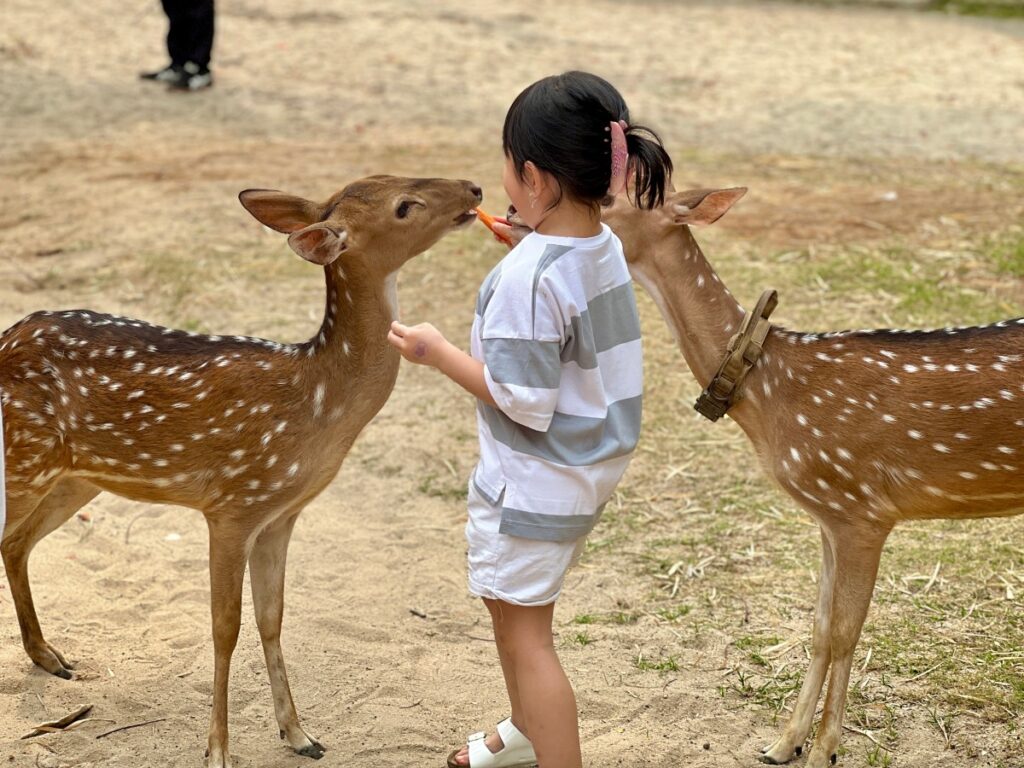
Scientia Square Park is a safari-style experience that brings visitors up close and personal with its animals, fostering respect for creatures big and small. In the cone-shaped Teepee Barn, they can interact with alpacas, miniature horses, and Scottish cows before moving on to greet a herd of easy-going buffalo. Interactive activities such as Fun With Owl bring them face-to-face with nocturnal birds, while Rabbit Tales explores the lives of these long-eared mammals and how to handle them responsibly.
Beyond the safari trail, more guided adventures await children of all ages. The Mini Riding Club introduces them to horseback riding with guided rides through lush, green surroundings. A leisurely walk through the Paddy Field, meanwhile, guides participants through the different stages of crop cultivation, culminating in hands-on harvesting activities.
Jl. Scientia Boulevard, Tangerang, Banten | @scientiasquare.park | scientiasquarepark.com
Museum MACAN
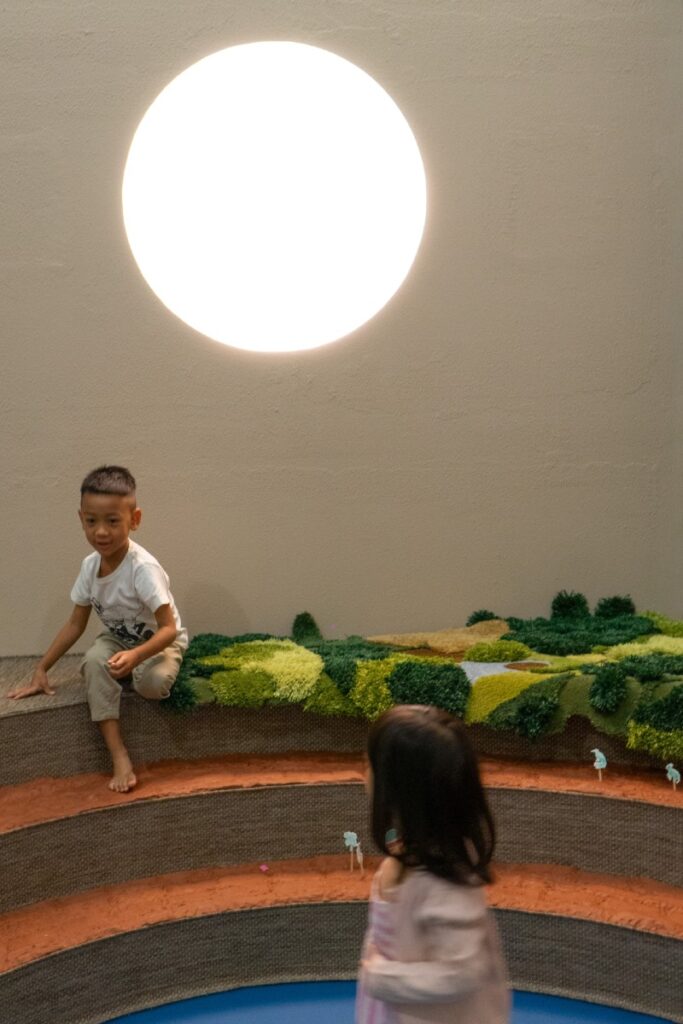
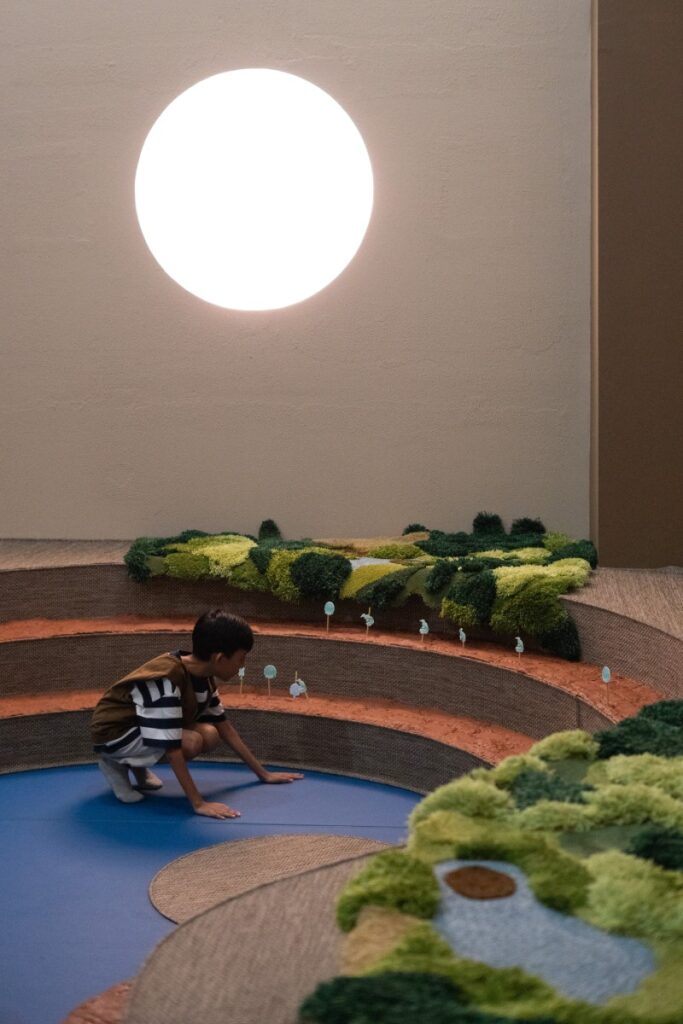
A creative space where children are encouraged to wonder, question, and create, Museum MACAN’s exhibitions and learning programmes present art as a living language that can help them make sense of the world, their emotions, and the ideas around them. They explore light, colour, form, and stories at their own pace while discovering the joys of self-expression.
Through March and April 2026, MACAN’s public programmes offer families a range of interactive learning opportunities they can enjoy together. One highlight is the Terraroma 4.0 Scent Stone Workshop on 7 March 2026, a sensory-based activity using colour, concrete, and fragrance to create reusable scent stones. At the same time, participants learn about sustainable materials and the relationship between design and daily life.
On 7 April 2026, Resonance: Art & Climate Dialogue invites visitors to a real-time data visualisation and collaborative mapping experience that will form a living digital sculpture reflecting Indonesia’s cultural and environmental ecosystem. The project was developed in collaboration with the Convergence and London Climate Action Week.
Families can then join the Young & Curious: Children and Family Tour on 11 April 2026, which is a playful guided experience through Olafur Eliasson: Your Curious Journey, where children interact with light, mirrors, shadows, and colour through their senses.
AKR Tower Level M, Jalan Panjang No. 5 Kebon Jeruk, West Jakarta | @museummacan | museummacan.org
Jakarta Aquarium and Safari
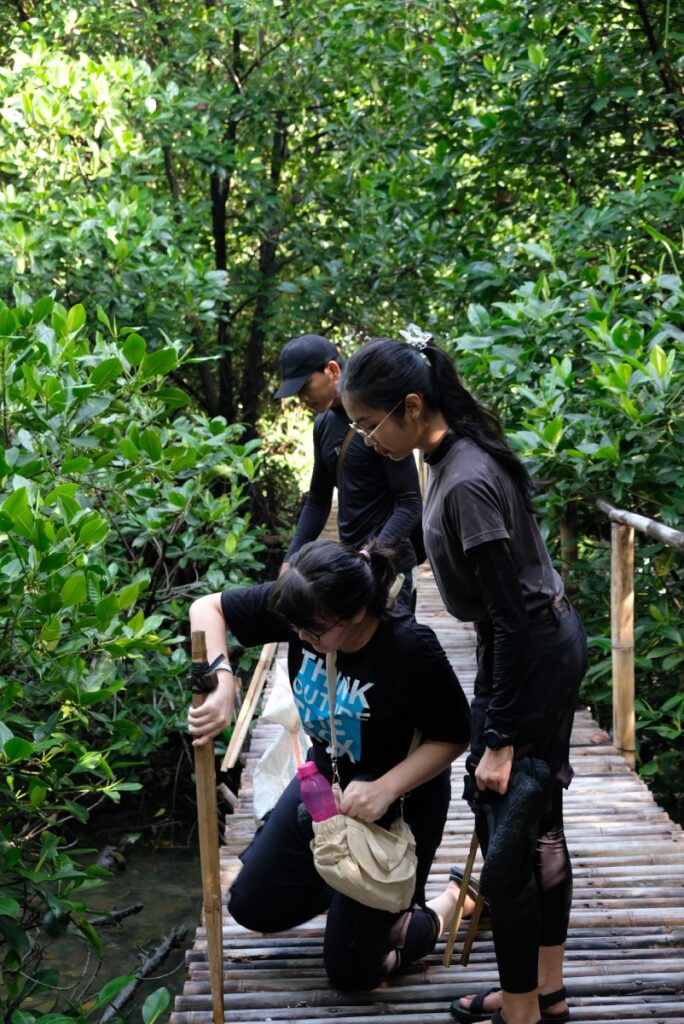
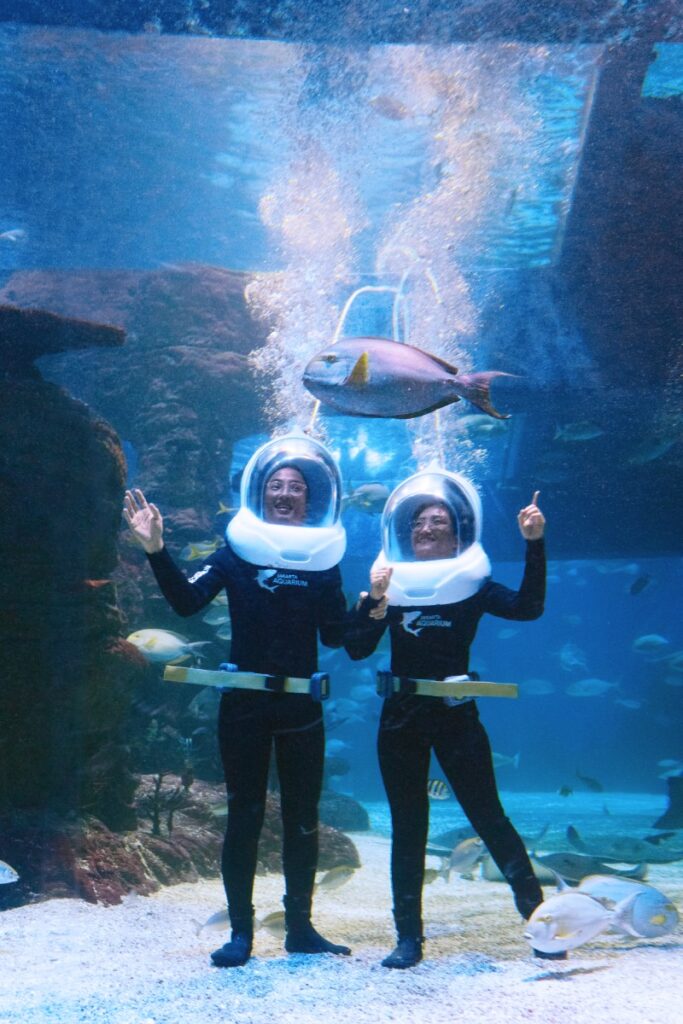
Children rarely remember what they are told, but they remember what they experience. Jakarta Aquarium Safari (JAQS), one of the city’s largest aquariums, centres its attractions around this principle. Conservation programmes and interactive learning activities invite young visitors to connect with nature through action and direct involvement, fostering curiosity and empathy along the way.
This approach feels especially relevant for a generation growing up inundated by constant warnings about climate change, pollution, and endangered wildlife. For many parents, the challenge is not explaining these issues but helping children understand what they can do to mitigate them. JAQS responds by turning abstract problems into visible, human stories where children interact with animals, learn about rescue efforts, and take part in simple activities that show how everyday choices are linked to the planet’s future.
The Baby Sea Turtle (Tukik) Release Programme, run in partnership with the Puteri Indonesia Foundation and Thousand Islands National Park, raises awareness about marine life cycles and the threats facing endangered species. One of its highlights is the opportunity to watch turtle hatchlings return to the sea, which drives forward the important lesson that environmental protection is not just an abstract idea; it is strengthened by concrete choices and actions.
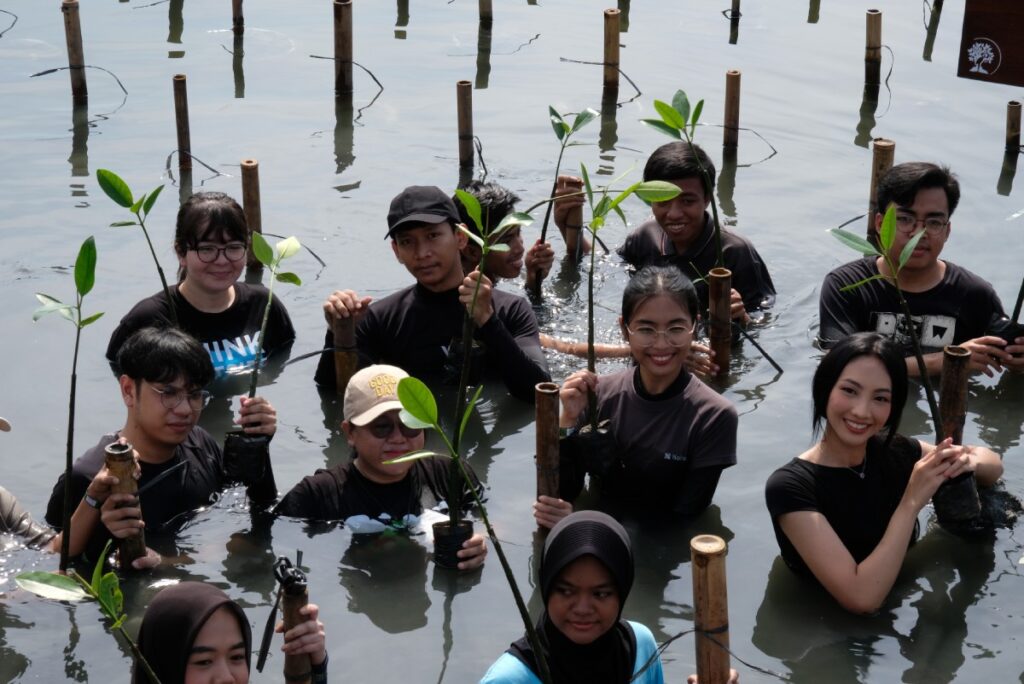
This sense of shared responsibility continues with Coastal Clean Up activities at Pramuka Island, organised by JAQSquad. Families learn how their everyday habits can affect the environment and work together to collect waste, witnessing firsthand how pollution affects coastal ecosystems. Back at the aquarium, the Plastic Recycling Initiative with Le Minerale and Greenprosa reinforces this message through dedicated recycling bins that show children how to separate waste and rethink plastic use in their daily lives.
Regular wildlife and conservation seminars also use stories, visual media, and real-world examples to dive into key issues such as endangered species, habitat loss, and sustainable living. Together, these long-term initiatives invite children to take part in conservation and marine education beyond the aquarium walls.
Neo Soho Mall at Podomoro City, Jakarta Barat
+62 21 2789 3435 | 0811 1111 2586
jakartaaquariumsafari.com